
Internal combustion engines will not “die” by 2035: Germany has strong support in Europe to continue selling diesel and gasoline cars.
19/10/2026 17:00
Updated to
19/10/2026 17:00
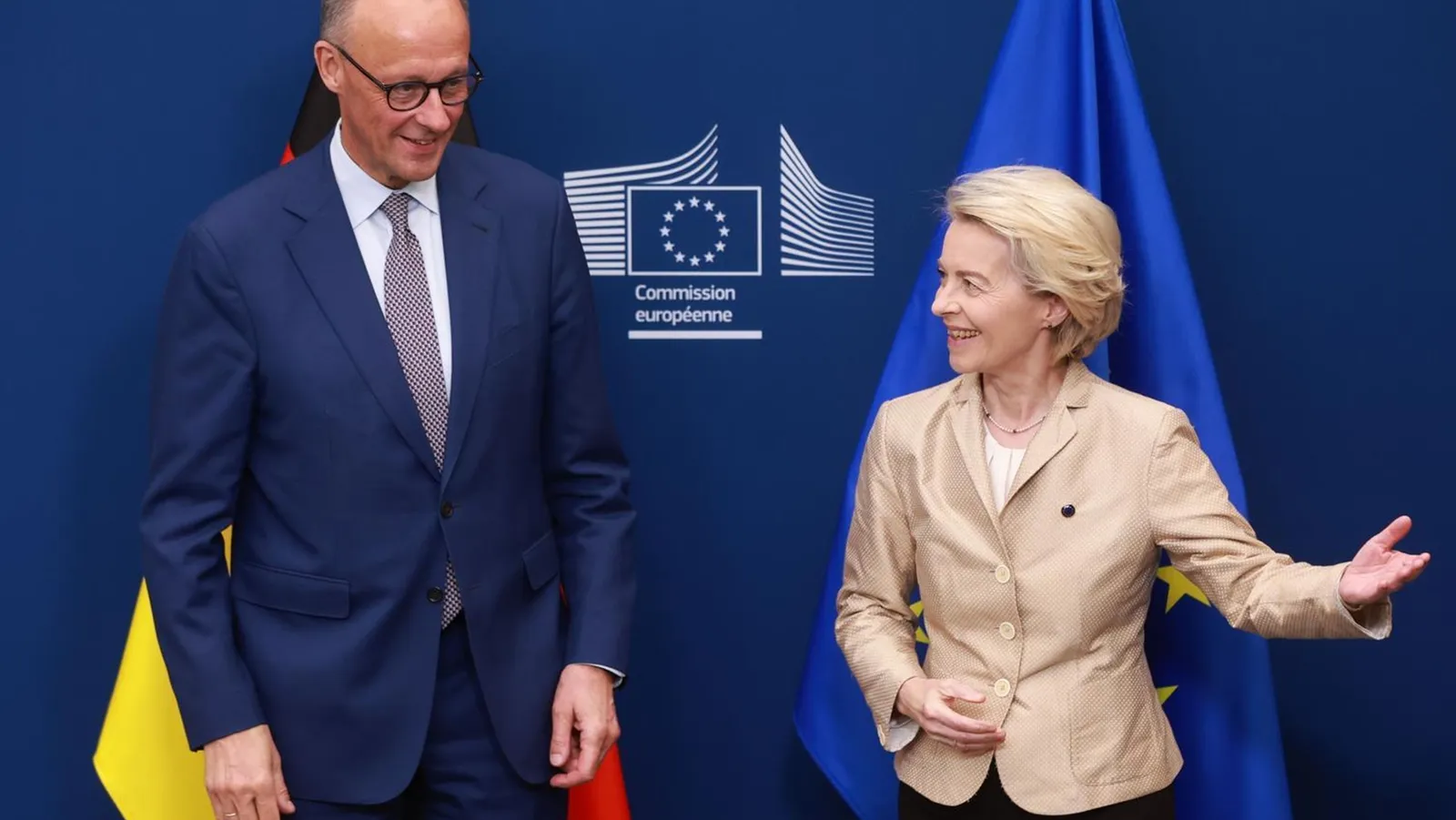
German Chancellor Friedrich Merz believes the so-called end of internal combustion engines by 2035 is politically outdated following an agreement reached between Germany and France. The proposal would still require a 90% reduction in CO2 emissions from new cars compared to 2021 levels, but it would allow the remaining 10% to remain unaddressed, giving more room for hybrid vehicles, plug-in hybrids, and certain internal combustion engines after 2035. Merz states that the initiative is receiving broad support from member states and that Italy would also be “highly in agreement.”
The phrase Merz used after the Brussels European Council leaves little room for interpretation: “I’ll put it very simply: the ban on internal combustion engines is already history.”
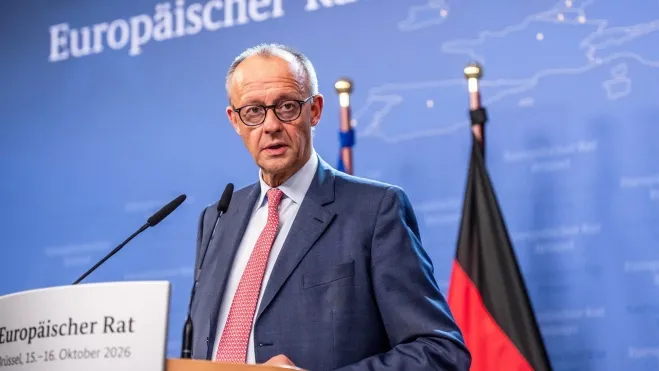
But legally, it isn’t yet. Current legislation still sets a 100% reduction in CO2 emissions from new cars by 2035. What exists now is a Franco-German political agreement that will need to be incorporated into the legislative review being negotiated by the European Council and Parliament.
The change lies in that 10% that no longer needs to be offset
The European Commission had previously proposed lowering the 2035 target from 100% to 90%. However, its approach suggested that the remaining 10% would need to be offset through compensation mechanisms related, among other things, to low-carbon materials and alternative fuels.
Germany and France want to eliminate this requirement. Merz confirmed that the joint agreement proposes maintaining a 90% reduction, but allowing the remaining 10% to remain unoffsetted, while also introducing more flexibility for biofuels and other technologies.

In practice, that would give manufacturers considerably more room to continue registering vehicles that emit exhaust gases after 2035, as long as they remain within the future average limits set for their models.
Merz claims Italy agrees as well
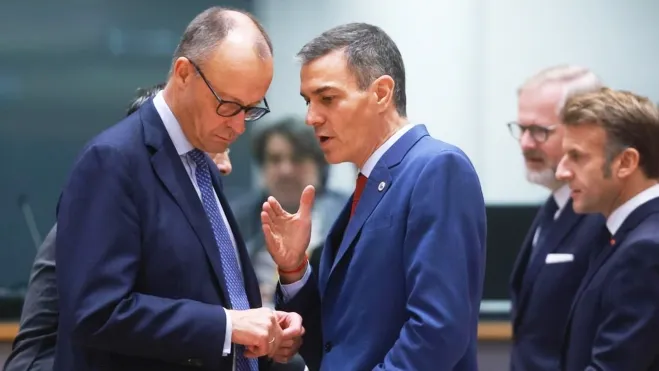
The second development relates to political support. The German chancellor states that during the summit he heard favorable comments from other delegations, specifically mentioning Italy: “From what I hear from the Italian delegation, our Italian friends also strongly agree.”
Italy has been advocating for greater technological neutrality for years and insisting that biofuels should be included in European rules, so its approach to the Franco-German proposal aligns with positions Rome has already formally presented in Brussels.
Electric cars remain central to the plan
The agreement does not mean that France and Germany intend to abandon electrification. In their joint statement, both governments reiterate their goal of increasing European manufacturing of the next generation of electric vehicles, strengthening supply chains, and using incentives to encourage investment and production within Europe.
The difference is that they want electric vehicles not to be the only available technological option. The European Council has also called for accelerating negotiations on the automotive package and striving to conclude them by the end of 2026.
Therefore, Merz can politically claim that the “end of the internal combustion engine” is a thing of the past, but one crucial step remains: turning the agreement between France and Germany into a sufficient majority in the Council and then securing support from the European Parliament.