
The MG2 will be a competitor to the Renault 5 that is being manufactured in Spain.
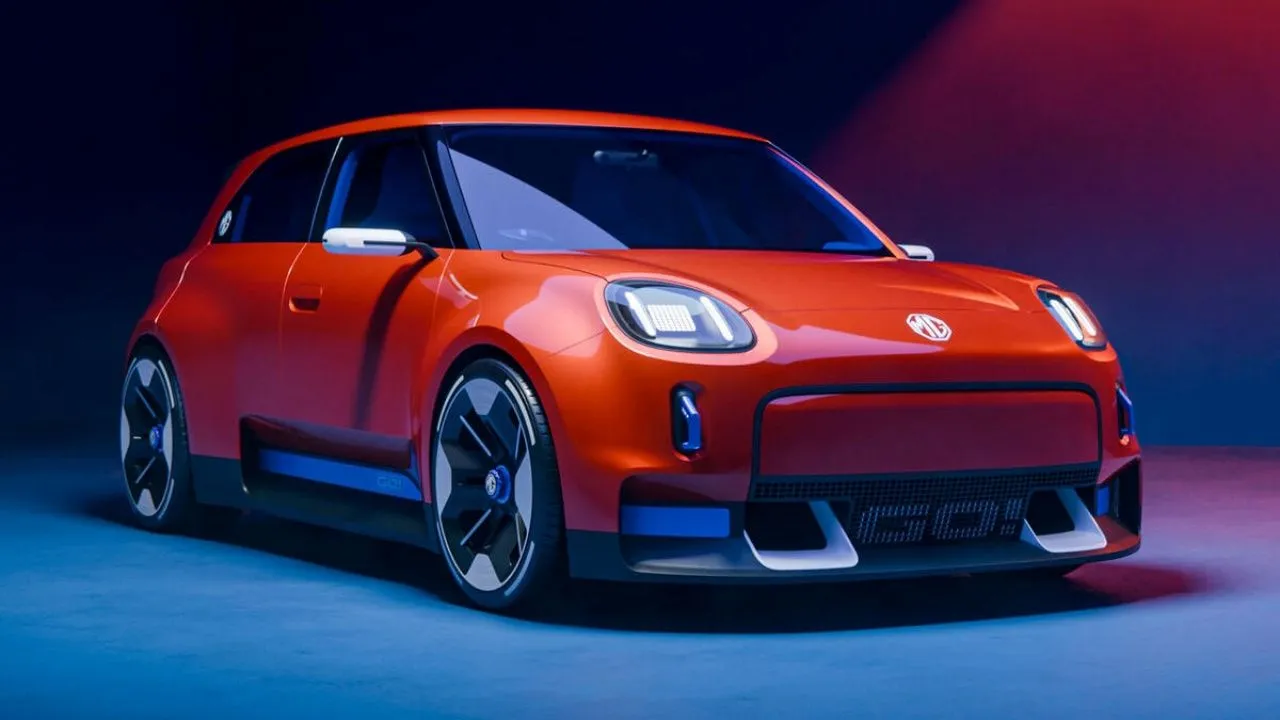
MG aims to establish itself in a segment that continues to grow in terms of both volume and sales—compact electric vehicles—and it plans to do so with a model that has its own distinct personality. The manufacturer already signaled its intentions with the MG Go concept, unveiled at the 2026 Goodwood Festival of Speed. Now, recent reports suggest that its production version, likely named MG2, will be manufactured at the group SAIC’s future factory in Spain—a project that would turn Galicia into a new industrial hub for the brand.
The British publication claims that this small electric vehicle will be assembled in Spain starting in 2028. However, its arrival on the market is expected in 2027. These two dates correspond to different stages: commercial launch would precede the start of Spanish manufacturing.
The car still has one more detail to finalize: its official name. Although the prototype is called GO!, MG2 has also been discussed as a name for the production model. For now, it’s best to keep these two names separate—one corresponds to the concept presented by the brand, while the other is the name being considered for the car that will reach dealerships.
With a length of approximately 4 meters and a five-door body, its design fits into the same segment as the Renault 5. The electric MINI Cooper also serves as a reference in terms of image and positioning, though MG aims to maintain the price-to-product ratio that has driven its expansion in Europe.
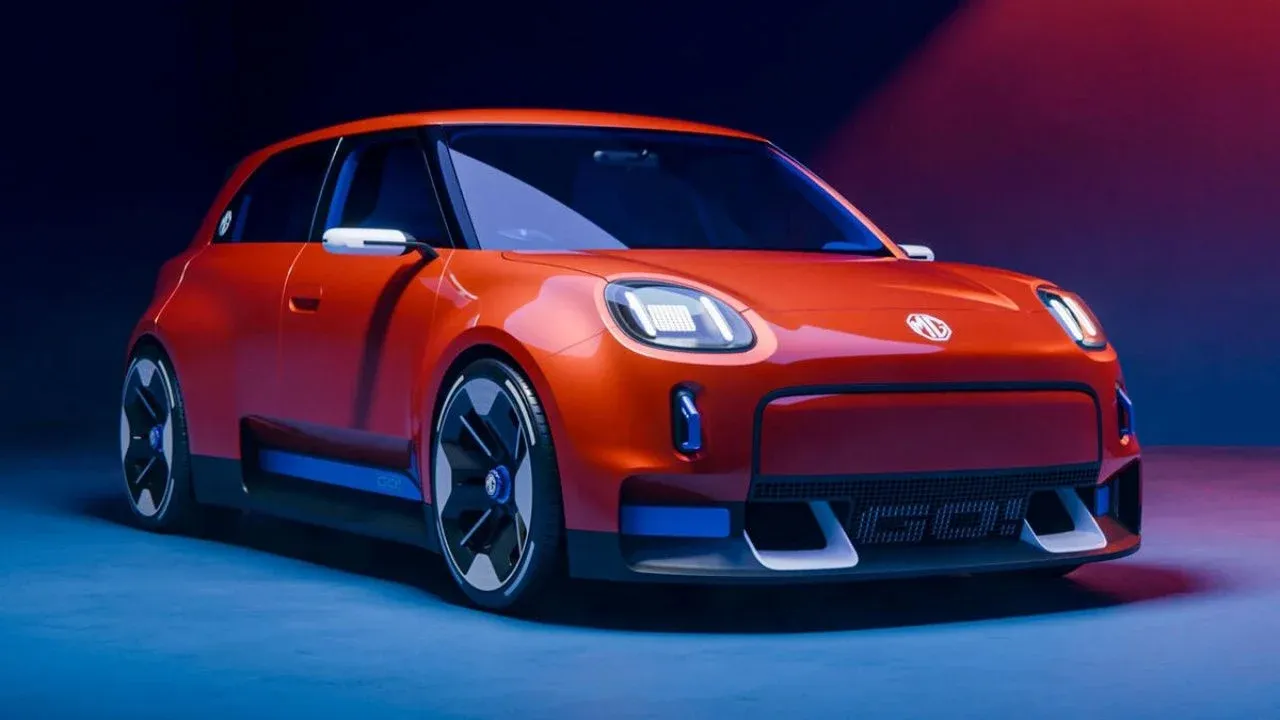
The design will feature a special emphasis. The prototype combines rounded headlights positioned high, compact proportions, and very pronounced wheelbase spacing. Hidden rear handles help give it a more sporty appearance without sacrificing the five doors.
Its aesthetic development was carried out at MG’s studio in London under the direction of Carl Gotham. The brand drew on references from its own history, such as the MGB GT, to create a recognizable identity. The result is not meant to be a literal reproduction of a classic, but rather a contemporary utility vehicle with some nods to the past.
That said, there will be changes before it reaches the streets. The low suspension, widened dimensions, and aerodynamic elements of the prototype are all part of a deliberate design approach. Jozef Kaban, vice president of MG’s Global Design Center, has already explained that the main features will make it to the production model, but that doesn’t mean all its extreme elements will be retained.
Spain Will Be Its Production Site
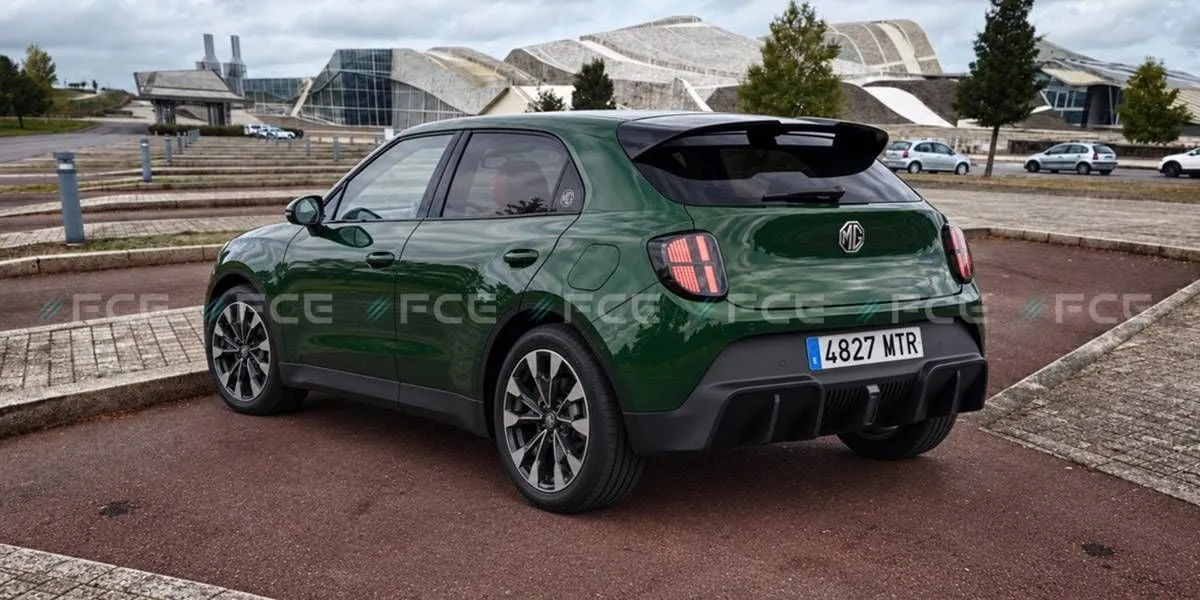
The Spanish connection is the main new development. The Xunta announced in June SAIC’s industrial project at Ferrol’s offshore port, with construction set to begin in 2027 and the complex expected to be operational by 2028. The Galician government also linked this initiative to an industrial and logistics hub for suppliers in As Pontes.
The project aims to have a capacity of 120,000 cars per year once its two phases are completed. This figure refers to the entire facility and should not be confused with production targets specific to the MG2 model or with the volume available from day one.
The information allows for the development of a possible initial model for those industrial plans. However, the assignment of the small electric vehicle to the plant is attributed to a British publication that cites sources, while the location of the complex and its overall timeline are detailed in an official announcement.
For MG, manufacturing in Spain would mean bringing part of its production closer to a market for which this car was specifically designed. It would also enable the establishment of an European industrial and supplier base, a crucial step for a brand aiming to expand beyond importation and distribution.
What is still missing is the information needed to assess its competitiveness: price for Spain, battery pack capacity, certified range, and charging power. The rumors circulating do not replace an official technical specification sheet. For now, there is insufficient basis to determine a Spanish price or promise a specific range.
A XPower version has also not been confirmed. The sporty appearance of the GO! suggests it could compete with the Alpine A290 or the electric MINI John Cooper Works, but this remains merely a hypothesis.
MG has an interesting opportunity: to combine a compact size, a distinctive design, and an attractive price in a segment that is becoming increasingly competitive. If its production takes place in Ferrol as well, this future utility vehicle will add a particularly strong advantage to our market—being an electric car manufactured in Spain.