
The Lexus ES500e faces off against the Volvo ES90: two major electric sedans with a clear difference
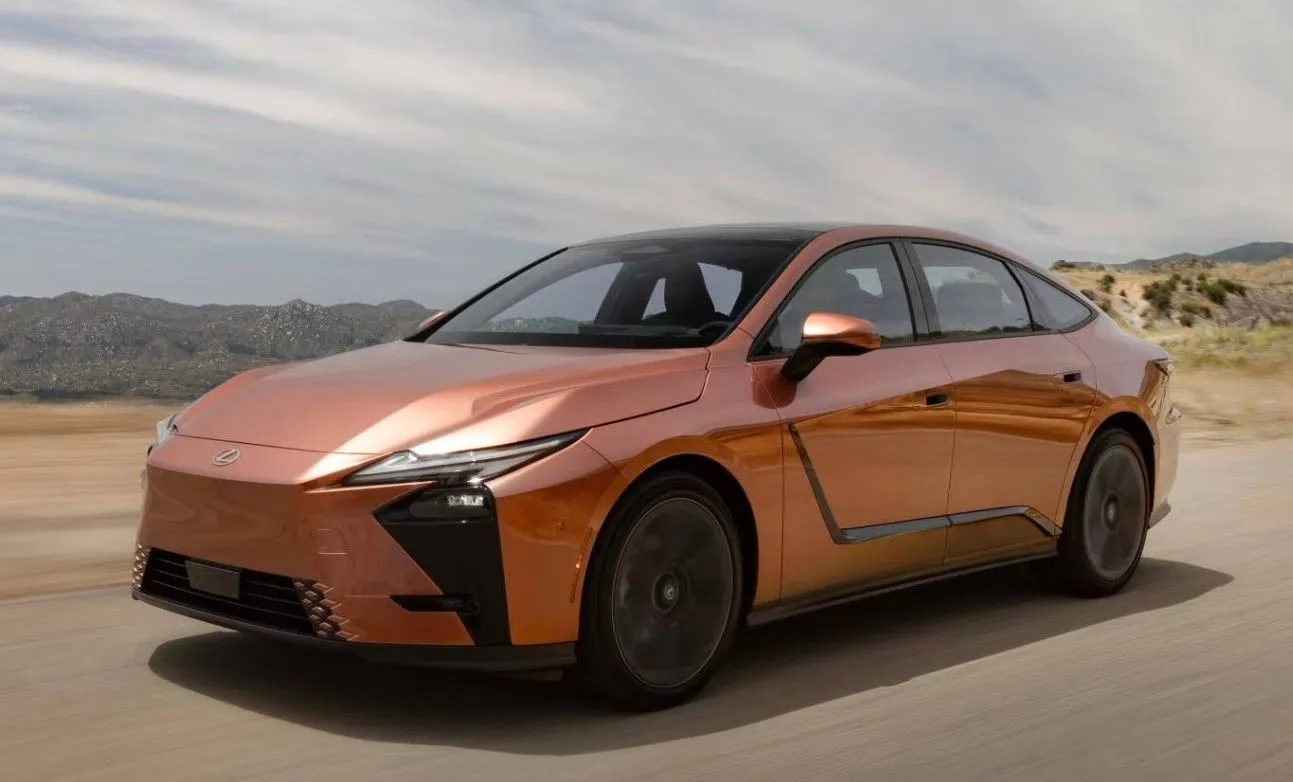
The initial tests and comparisons of the new generation Lexus ES500e and Volvo ES90 begin to show that both models target the same segment, but with quite different approaches. Both aim to become comfortable electric sedans ideal for long trips, though early impressions suggest that each has very distinct strengths as well as some shortcomings that are hard to overlook.
One of the most interesting comparisons comes from the Dutch magazine AutoWeek, which put the Lexus ES500e directly up against the Volvo ES90. The testers compared two models over five meters long, with all-wheel drive, large batteries, and sufficient power to handle long distances effortlessly. And although the specifications might suggest these are very similar cars, the differences become much more apparent behind the wheel.
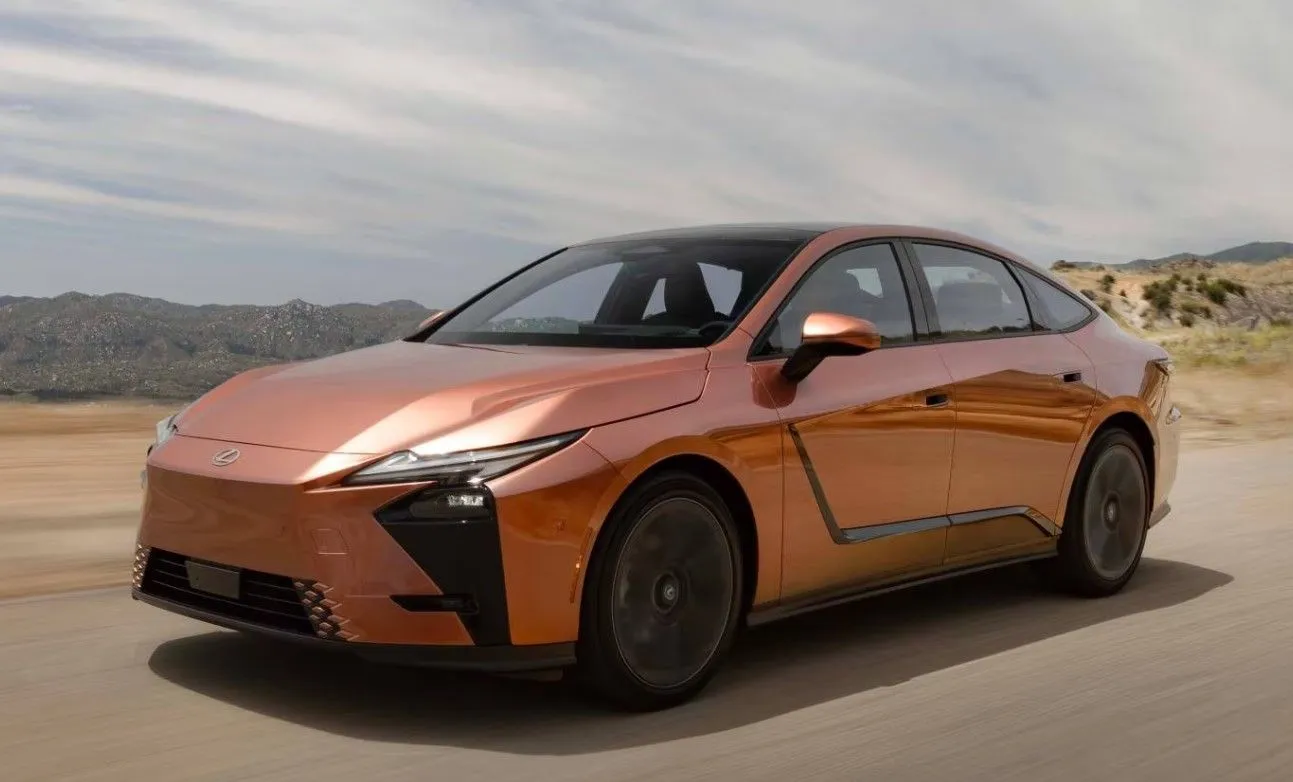
The new Lexus ES has grown significantly compared to its predecessor. With a length of 5.14 meters and a wheelbase of 2.95 meters, it has become the largest model in the Japanese brand’s lineup since the LS was discontinued. Additionally, for the first time, it offers an electric version, including the ES 350e with 224 horsepower and the ES 500e with 343 horsepower and all-wheel drive. The latter is the focus of this comparison.
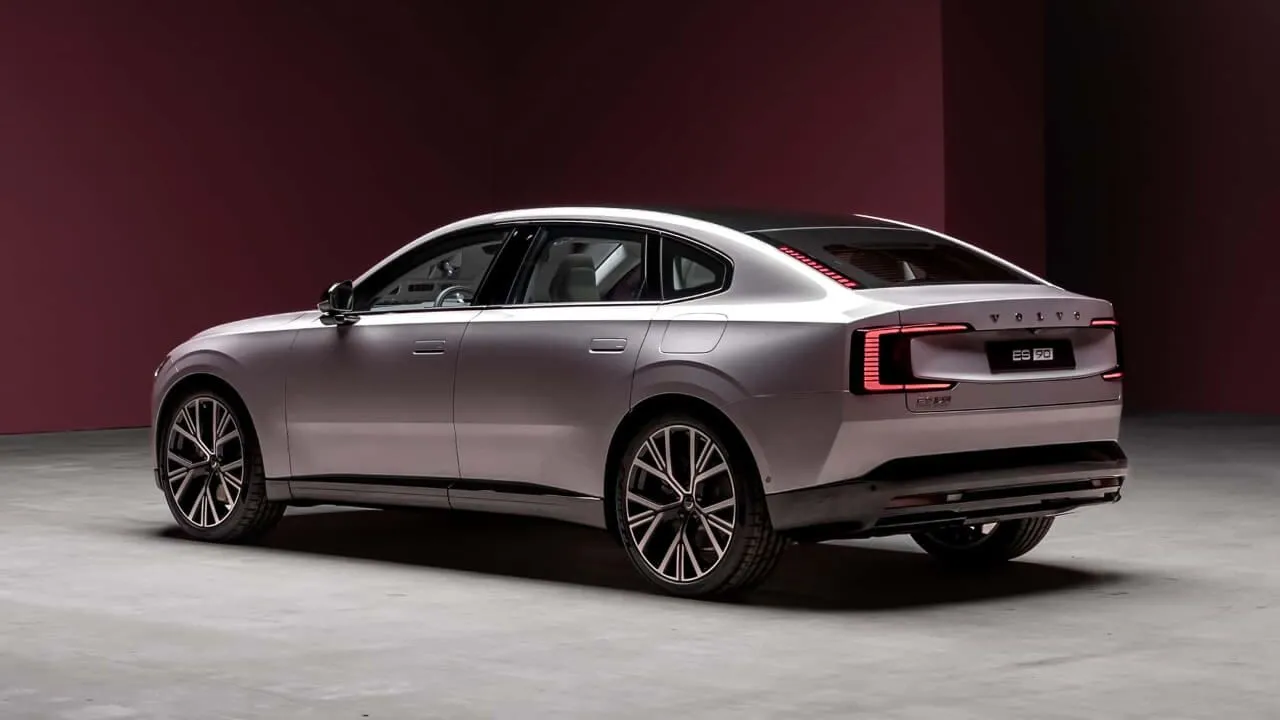
The Volvo ES90 adopts a different approach. Although it may look like a traditional sedan from the outside, it features a large rear door that improves access to the trunk. The model tested generates 333 horsepower from a single rear engine and uses a 92 kWh battery. It is also available with two engines, delivering up to 680 horsepower, though that configuration is outside the scope of this comparison.
In terms of size and driving position, both cars are taller than one would expect from sedans of this class. According to reviewers, the Lexus’s height is particularly noticeable when sitting behind the wheel. The build quality is good and the materials are satisfactory, but the interior does not convey the luxury feel one would expect from a model aiming to fill the space left by the LS.
In this section, testers notice a clear difference compared to the Volvo. The ES90 delivers a more luxurious and technologically advanced feel, with better materials, more carefully crafted details, and seats that are particularly comfortable. The multimedia system also offers more options. On the other hand, the Lexus retains some physical controls that make certain functions easier to use, though others require navigating through screen menus.
The situation changes when looking at the rear seats. The Volvo has a significant issue with the seat height, which is too low for adults, to the point where testers consider it uncomfortable for long trips. The Lexus makes much better use of its dimensions, offering more legroom and a more natural rear seating position. The Japanese car also has a larger trunk, although the Volvo’s trunk lid makes its space more practical for everyday use. The ES90 additionally features a small front trunk, whereas the Lexus does not.
The Lexus is more comfortable, the Volvo is more sophisticated
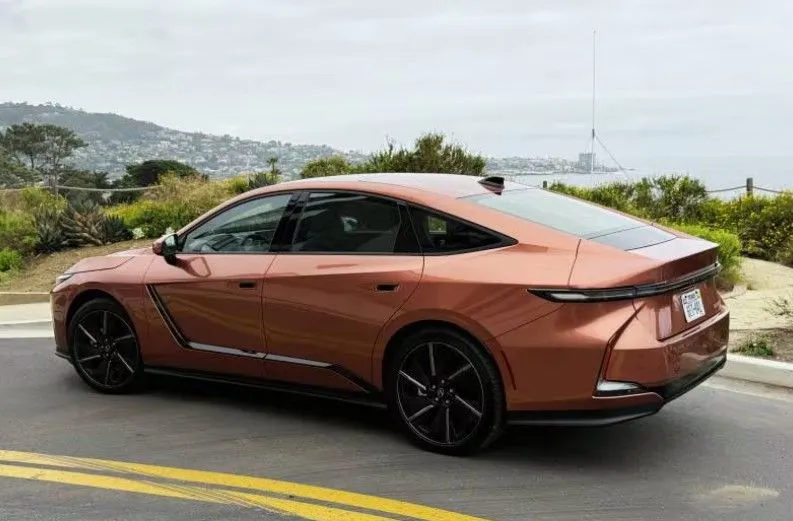
When it starts moving, the Lexus surprises testers with a more balanced performance than expected. The ES500e accelerates from 0 to 100 km/h in 5.5 seconds, and its 343 horsepower is sufficient to power a car of these dimensions effortlessly. The power delivery is well-regulated, and according to the testers, the car maintains a calm demeanor until full power is demanded.
The Lexus also features levers that allow adjusting regeneration and simulating gear shifts. Testers believe this function adds little value to a model designed for smooth driving. In fact, they note that the ES500e’s natural behavior suits a continuous and relaxed power delivery better than the ability to simulate a gearbox.
The Volvo delivers more power in its higher trims, but with this 333 HP configuration, reviewers miss a response as natural as that of the Lexus. They also criticize its chassis tuning as being excessively soft. The ES90 is very comfortable for long trips, but it provides less feedback to the driver and lacks some of the dynamism one would expect from a sedan of this class.
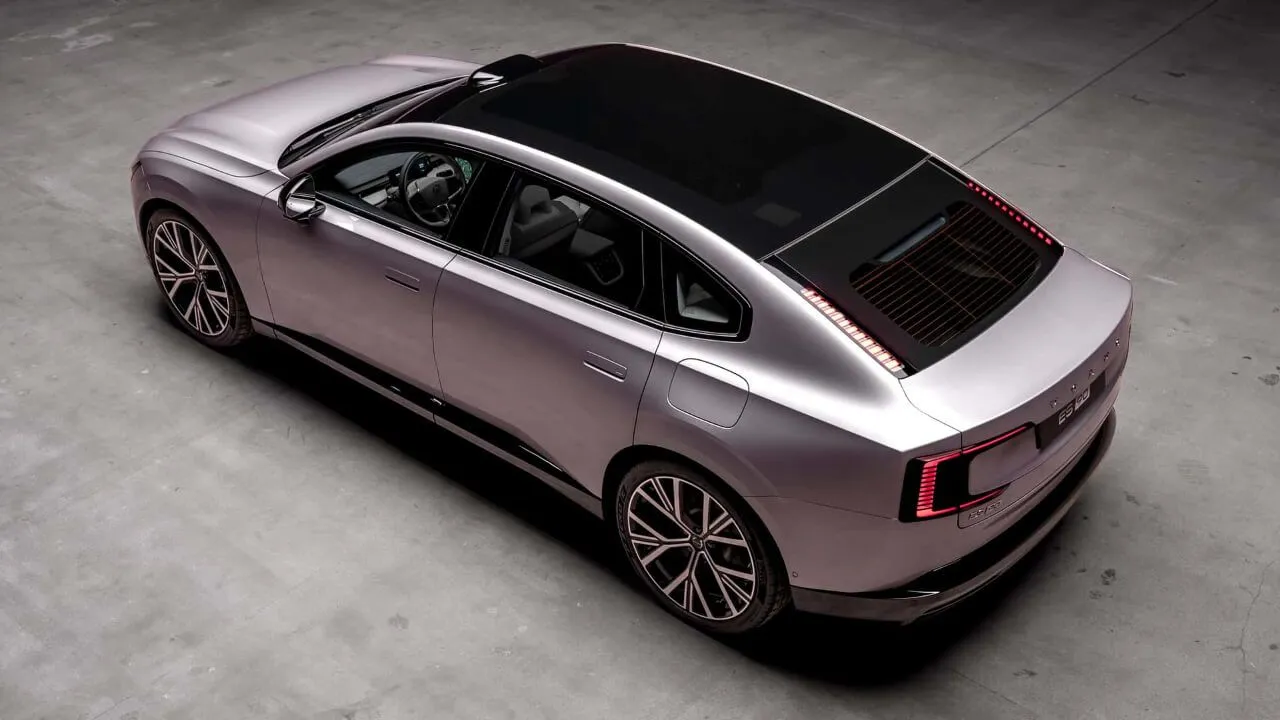
The Lexus also doesn’t aim to be a sports car. Its suspension is clearly focused on comfort, and the steering system doesn’t try to turn it into an especially fun sedan. However, testers note that it maintains better control over the body and offers a more balanced driving feel. They find its behavior particularly suitable for covering long distances with passengers in the back.
Where the Volvo makes a significant technological difference is in fast charging. Its 800-volt architecture allows it to reach powers of up to 300 kW in the single-motor version, while the Lexus tops out at 150 kW. Volvo claims that the ES90 can go from 10% to 80% charge in about 22 minutes under optimal conditions.
The Lexus ES500e uses a 75 kWh battery and supports up to 150 kW of continuous power, allowing it to go from 10% to 80% charge in about 30 minutes under favorable conditions. On paper, this represents a significant advantage for a car designed for long trips.
However, in terms of fuel consumption, both models impress reviewers positively. Despite their size and weight, the two sedans manage low figures thanks to their excellent aerodynamics. The Lexus even slightly outperforms the Volvo in this regard, even though it uses all-wheel drive.
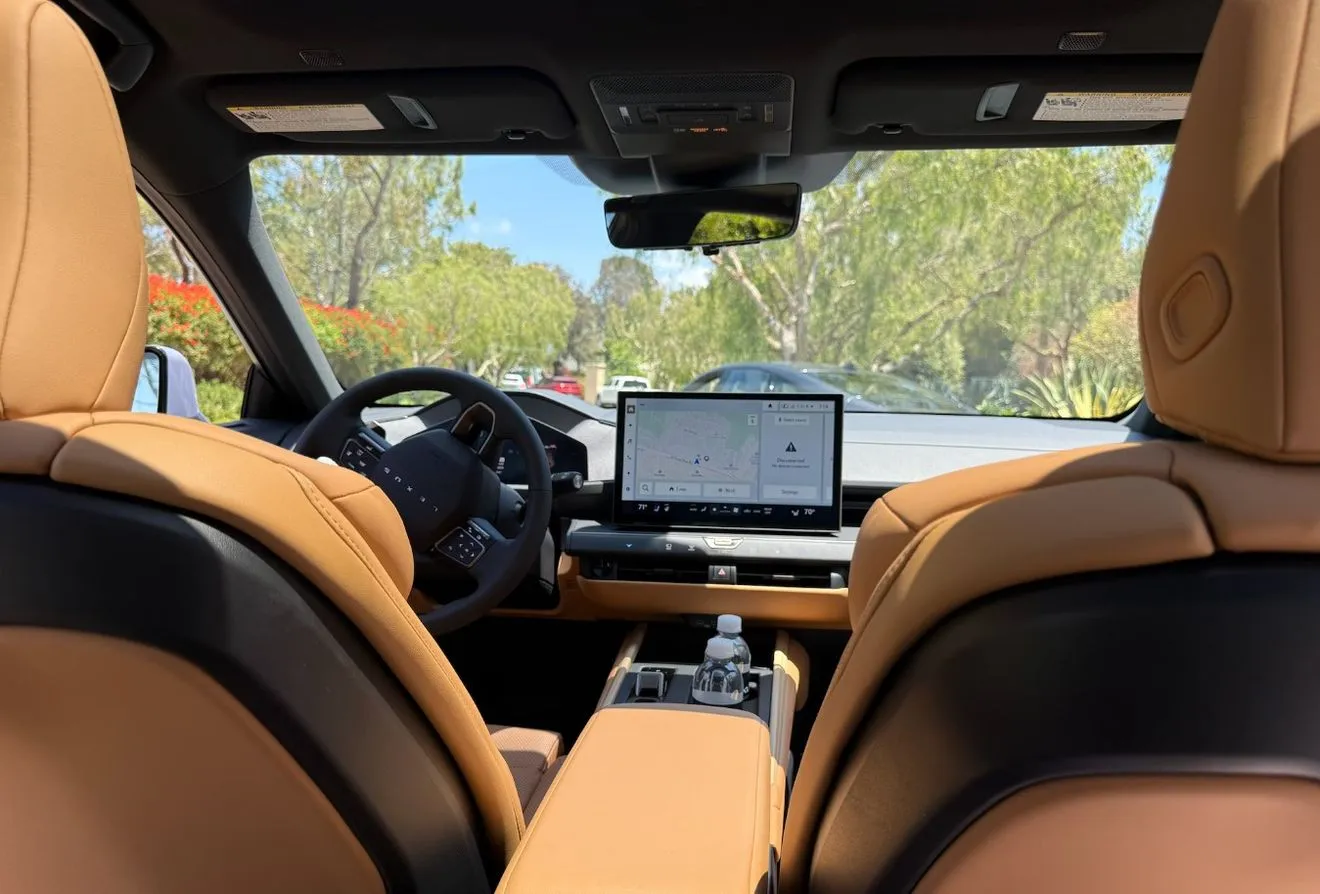
There is also a difference in price. The tested Volvo ES90, with the Ultra finish and various optional features, costs over 88,000 euros, while the base model in its Core configuration starts at a significantly lower figure. Lexus follows a different approach, offering a more limited standard equipment set with few opportunities to add options.
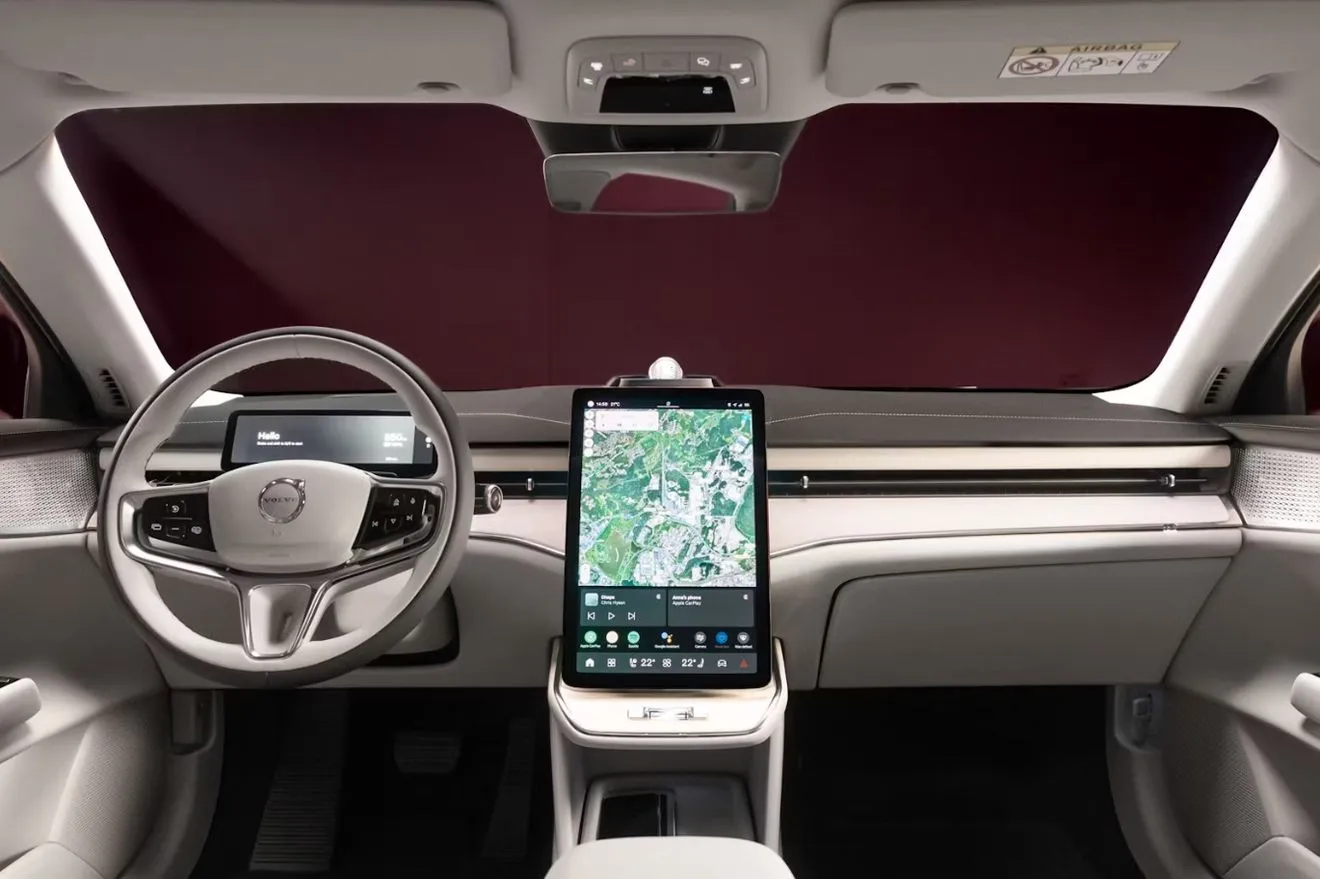
The verdict from the testers is much more interesting than a simple win for one over the other. The Lexus ES500e stands out for its rear space, comfort, efficiency, and balanced handling, although its interior and technology don’t seem to meet the standards expected of a luxury sedan. The Volvo ES90 offers a more sophisticated cabin, greater technological features, and a much more advanced 800-volt architecture, but it suffers from an uncomfortable rear seat and a chassis tuning that doesn’t fully convince the testers.
In summary, the initial international comparisons reveal two different approaches to understanding a large electric sedan. Lexus focuses on comfort, space, and simplicity, while Volvo places more emphasis on technology, interior design, and fast charging capabilities. Neither seems to excel fully in all areas, and that is precisely what makes this comparison interesting.