
The Leapmotor B10 is now being manufactured in Spain with a clear goal: to avoid Brussels’ tariffs.
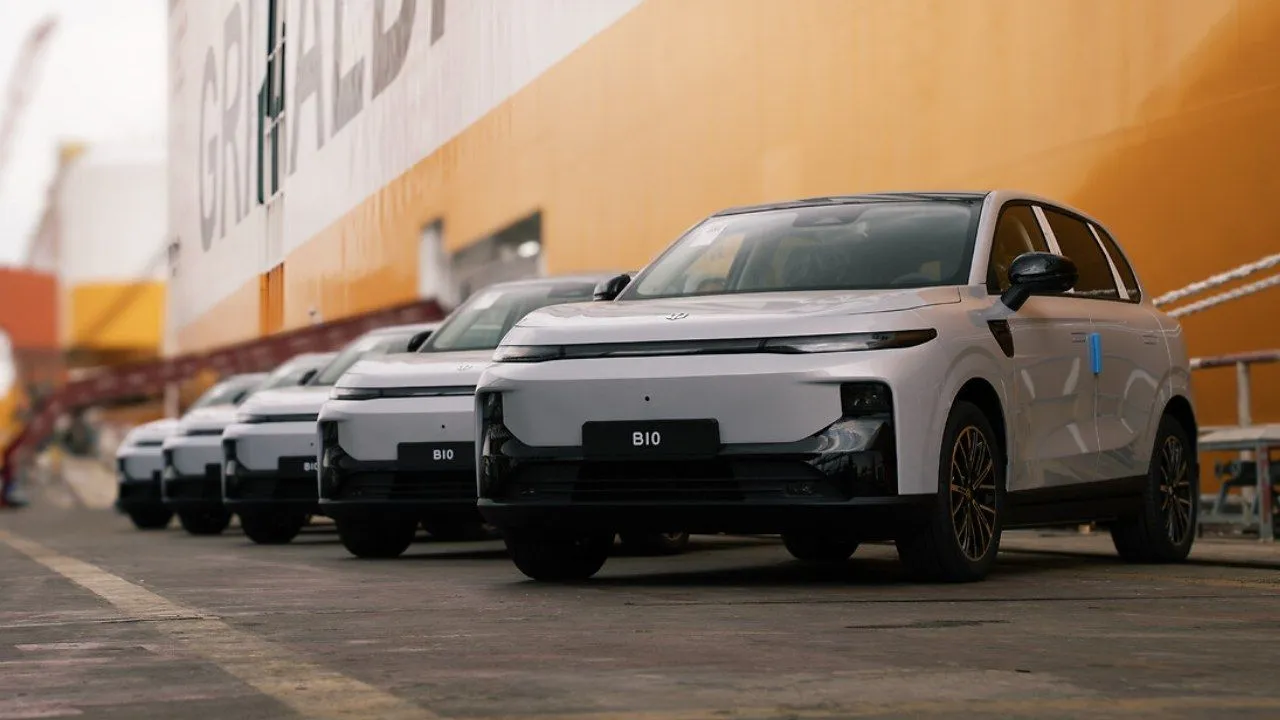
Leapmotor is performing exceptionally well, as evidenced by the strong sales figures for its flagship model, the B10. In Spain, it is on track to join the elite Top 10 list, with 1,927 units sold so far this year — very close to the BYD Seal, which occupies the tenth position.
The Chinese company has now begun pre-production of the B10 at Stellantis’ facilities in Figueruelas, Zaragoza. This move will allow a significant portion of the manufacturing process to take place in Spain, thereby avoiding the 30.7% combined tariff imposed on Leapmotor’s electric cars imported from China.
The operation represents another step in the brand’s strategy for European localization. Rather than relying on cars manufactured in China for final assembly in Europe, the B10 incorporates more substantial manufacturing processes in Zaragoza, allowing its production to meet the requirements needed for it to be considered of European origin for customs purposes.
Local stamping, welding, and painting to reduce tariff impacts
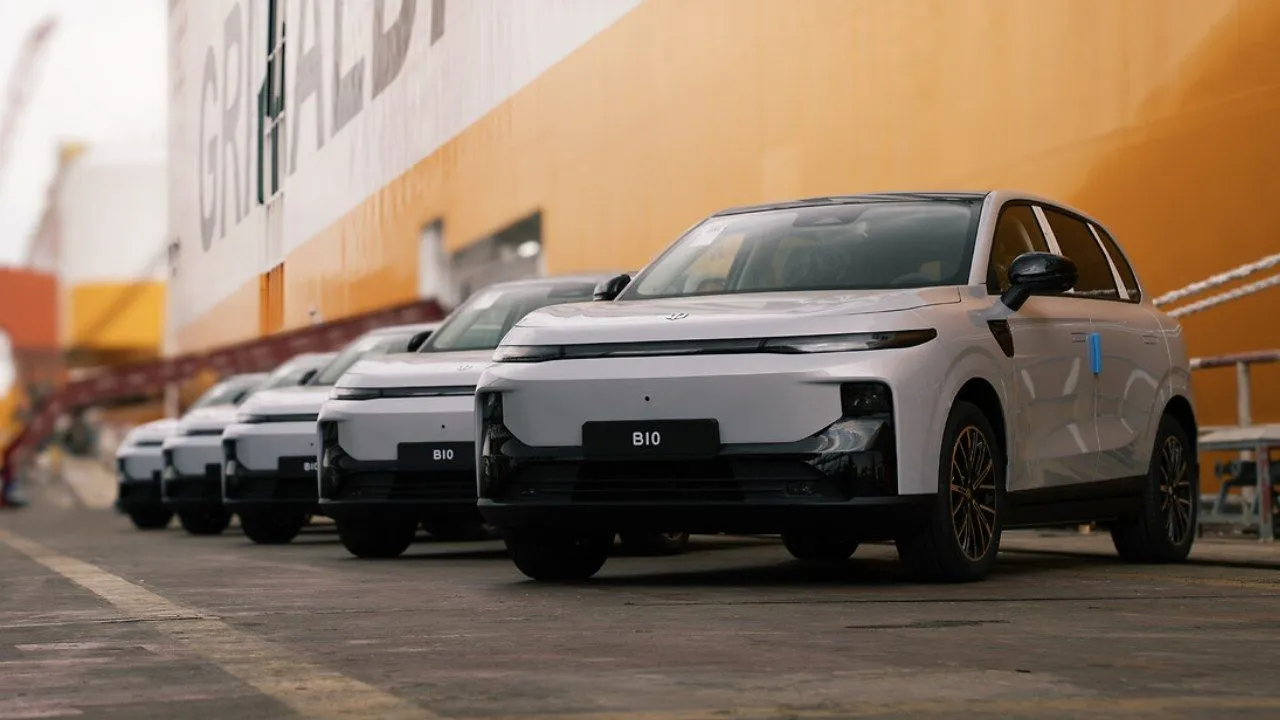
Stellantis’ plant in Aragon, where models such as the Opel Corsa, Peugeot 208, and Lancia Ypsilon are manufactured, will handle most of the key processes for the B10. These include stamping, welding, and painting of the body panels, as well as the subsequent vehicle assembly.
The difference from assembly systems using parts imported from China is significant. Such operations may lack sufficient industrial capacity to change the vehicle’s customs origin. Leapmotor aims for the exact opposite: to increase the value added in Europe and thereby reduce the impact of tariffs.
The decision also has an obvious economic component. Importing the B10 from China is subject to a combined tariff of 30.7%, consisting of a 10% regular rate plus an additional 20.7% applied to Leapmotor. European production allows this cost to be eliminated, though it doesn’t necessarily mean the savings will be passed directly on to the final price.
In fact, Leapmotor is still evaluating what to do with this additional margin. Transportation costs between Asia and Europe have also risen sharply in recent months, so the company might use part of the savings from local production to offset the increased logistics costs rather than lowering the B10’s price.
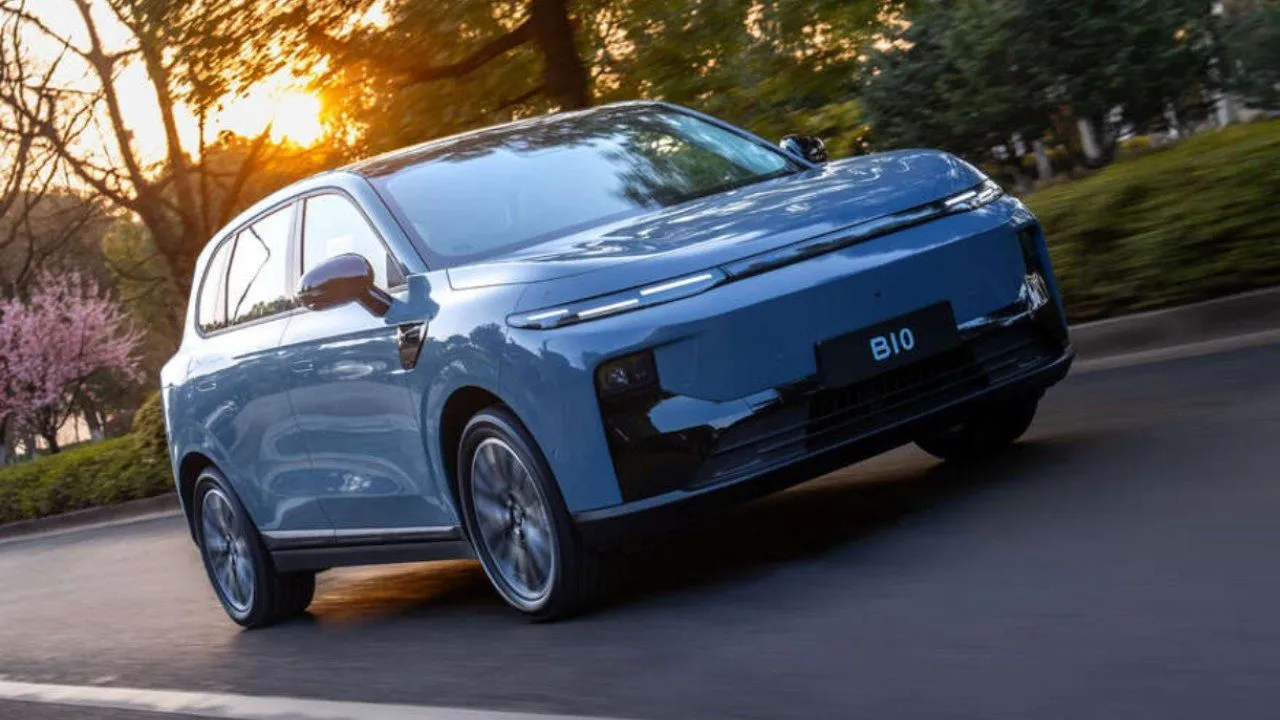
This move comes at a time of strong growth for Leapmotor in Europe. From January to July, the brand recorded 65,193 registrations, a 508% increase compared to the same period last year, according to Dataforce figures cited by the company. The B10 has also become one of the flagship models in the lineup, with 16,664 units delivered in Europe.
The B10 lineup offers two mechanical configurations. The electric version is equipped with a 56.2 kWh battery and an approved range of 361 kilometers in its entry-level European version. The second option features a 67.1 kWh battery pack, offering a WLTP range of 435 kilometers.
The B10 with extended range (EREV) is another option, which relies on an electric motor for propulsion and adds a thermal engine whose function is to generate electricity when needed. This second option allows for an electric range of 86 kilometers and a total range of nearly 900 kilometers.
The market response varies by country. In Italy, versions with extended range have gained high acceptance, while in France, taxes related to the weight of cars with thermal engines are pushing much of the demand toward the electric version.
The B10 thus becomes a particularly important component of Leapmotor’s European strategy. Production in Zaragoza not only reduces its exposure to tariffs but also brings the brand closer to the European market and allows it to leverage Stellantis’s industrial infrastructure directly.
The relationship between the two companies began in 2023, when Stellantis announced an investment of around 1.5 billion euros to acquire approximately 20% of Leapmotor. That deal also gave rise to Leapmotor International, a joint venture controlled 51% by Stellantis and 49% by Leapmotor, with exclusive rights to manufacture, export, and sell the brand’s vehicles outside of China.
Now that alliance takes another step forward with the production of the B10 in Figueruelas. Stellantis provides the industrial capacity and European network, while Leapmotor offers a range of electric and EREV vehicles developed in China. The result is a model that allows the Chinese brand to manufacture closer to its European customers and, at the same time, reduce the impact of Brussels’ trade barriers.