
Hyundai’s R&D head talks about the push for solid-state batteries: “We can’t give up now.”
03/10/2026 09:30
Updated to
03/10/2026 09:30
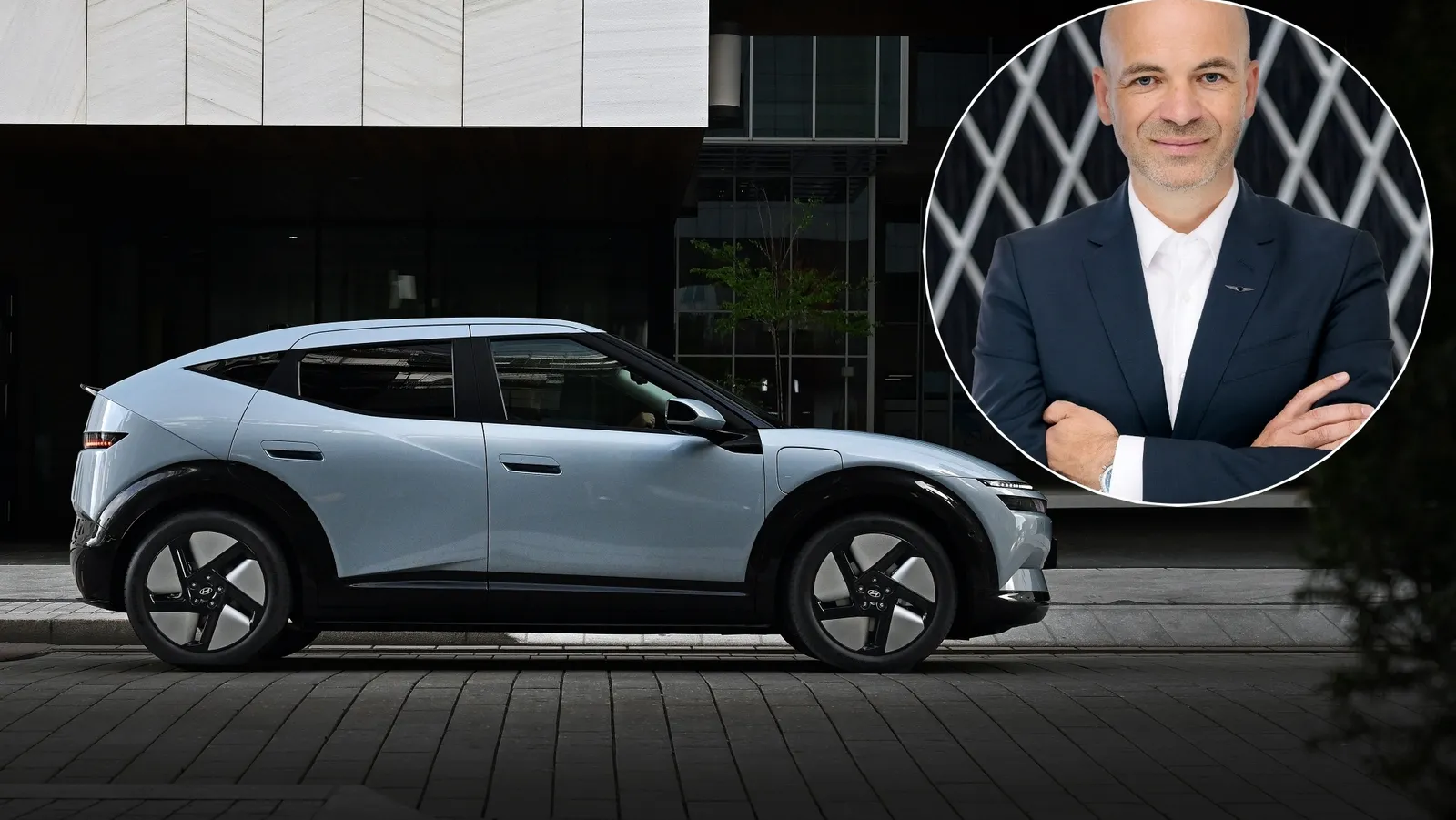
Solid-state batteries have been promising longer battery life, faster charging, and greater safety for years, but no one has yet managed to produce them on a large scale, although China is leading in their development. Given this situation, one might wonder whether it’s worth continuing to pursue them. For Manfred Harrer, head of research and development at Hyundai Motor Group, the answer is a resounding yes: in his words, this technology cannot be abandoned at this point.
Harrer estimates that within the next five years, cars with very limited production volumes and solid-state battery packages will enter the market — the type of model that serves more as a technological showcase than as a mass-market product. He said this to a group of journalists, delivering a message that balances ambition with caution equally. Currently, several Chinese manufacturers like BYD claim they are ready to release the first units with solid-state batteries by next year.
What’s changing inside the battery
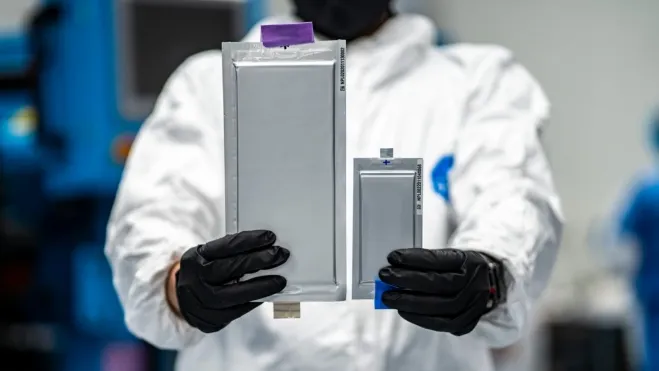
The difference from current batteries is easy to summarize. Current lithium-ion batteries use a liquid electrolyte, while solid-state batteries replace it with a solid material, usually ceramic or polymer. This change should bring advantages in both safety and performance, which is exactly what makes this technology so attractive to the industry.
According to Harrer, there are three potential benefits that are hard to ignore: a smaller battery size, improved fast-charging capability, and greater range. These improvements directly address the three main concerns for electric vehicle buyers, which is why many manufacturers are willing to invest years in development despite the uncertain outcome.
In-house Development and Partnerships
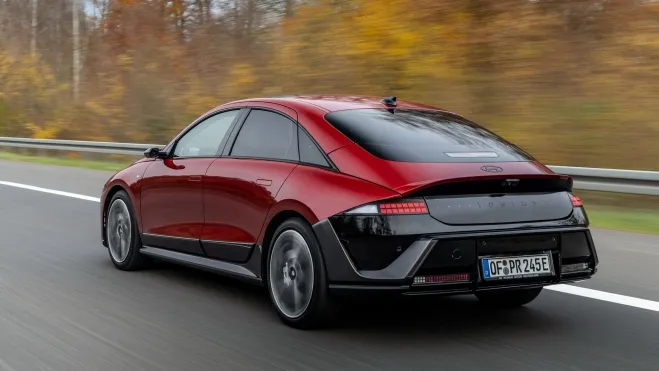
Hyundai is working on this technology through two approaches: internally and in collaboration with partners like Solid Power. Harrer describes it as the industry’s major bet at present, and it isn’t the only company pursuing it. Toyota has been researching solid-state technology for at least two decades and aims to produce it in series in the coming years, with other brands such as General Motors, Ford, Honda, and Nissan also joining the development efforts.
Hyundai’s strategy is to reach that stage with its own supply chain and expertise, rather than relying on third parties once the technology matures. To achieve this, Harrer emphasizes the importance of thoroughly understanding battery manufacturing methods and associated costs. “You can’t give up now. That’s clear.” “You must keep fighting,” acknowledged the head of development at the Korean company himself.
Prototypes available, but cars not yet for sale
The current state of the industry explains such caution. Some companies have presented demonstration prototypes, such as a Ducati with QuantumScape cells or a Mercedes using Factorial technology, but none have yet installed a solid-state battery in a car available for purchase. The first limited-production models mentioned by Harrer would therefore be the first to cross that threshold. There are many test units on the road around the world, but analysts remain skeptical about the timelines.
Harrer’s view on the consumer market is much more cautious than that of earlier series. He believes it will take considerably longer for solid-state technology to make its way into regular cars, and he doesn’t think the issue of raw material costs can be resolved within five years. In other words, although the technology works in small batches, making it affordable enough for mass production remains the major hurdle. This perspective aligns with that of China’s top battery expert.
