
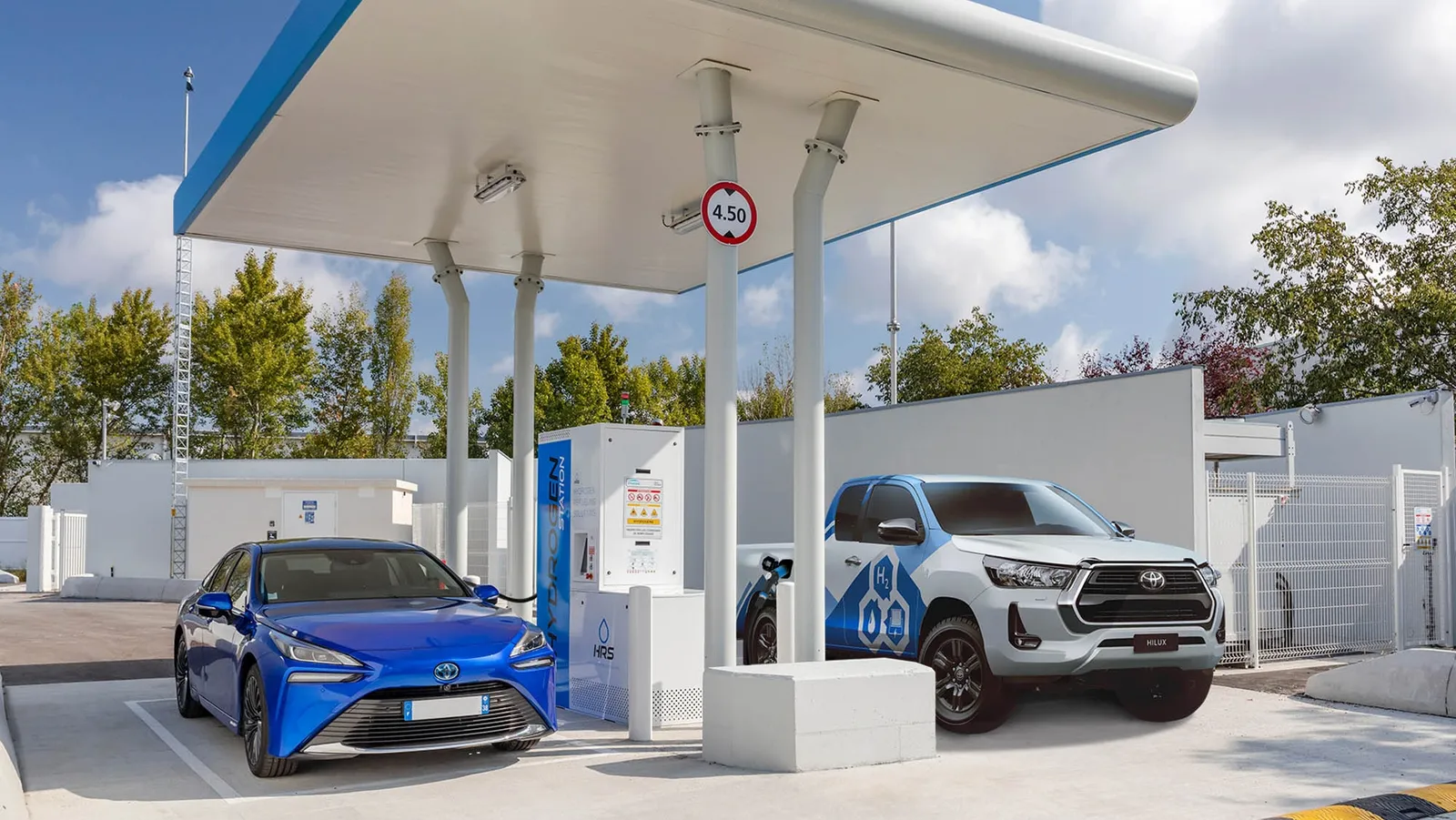
Hydrogen is seeking a way out after losing points in the car race and has found a huge market that needs help
03/10/2026 09:15
Updated to
03/10/2026 09:15
Hydrogen has lost much of its competitive edge to batteries in passenger vehicles, but that doesn’t mean it will disappear from transportation. A new agreement between Plug Power and Arcadia eFuels involves supplying electrolyzers with a capacity of 280 MW, paving the way for projects that could exceed 1 GW. The key lies in what to do with that hydrogen: producing synthetic fuels for sectors that are difficult to electrify directly, such as aviation and maritime transport, where batteries still face significant limitations in terms of weight and range.
This shift in function could end up being far more important than trying to install a fuel cell in every vehicle. For years, much of the discussion about hydrogen revolved around cars, but advances in batteries have narrowed that market gap for passenger vehicles. The situation changes when considering activities where direct electrification is much more complicated.
Hydrogen stops being a fuel and becomes a raw material
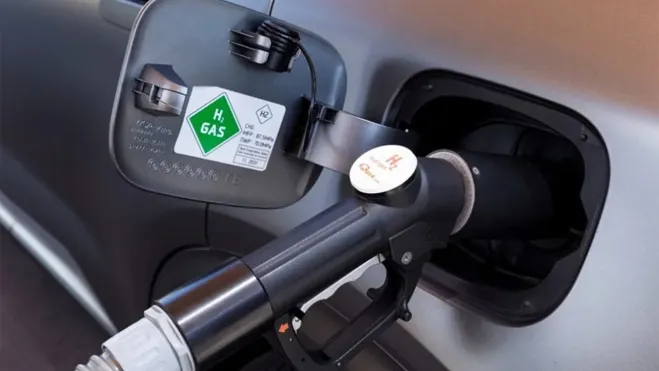
The agreement between Plug Power and Arcadia eFuels illustrates exactly that transition. The project initially involves 280 MW of electrolyzers, though the collaboration could expand to projects exceeding 1 GW. The focus is not so much on producing hydrogen for direct use in vehicles but rather on using it as a component to manufacture synthetic fuels.
Using renewable electricity, an electrolyzer separates hydrogen from water. This hydrogen can then be combined with captured carbon or other raw materials to produce e-methanol, synthetic fuels, or SAF, the sustainable fuel intended for aviation.
The result is a molecule that can be stored, transported, and used in engines or turbines where batteries are difficult to apply.
Planes and ships have a problem that cars don’t
A car can carry a large battery because its distances traveled are relatively short and it can stop frequently to recharge.
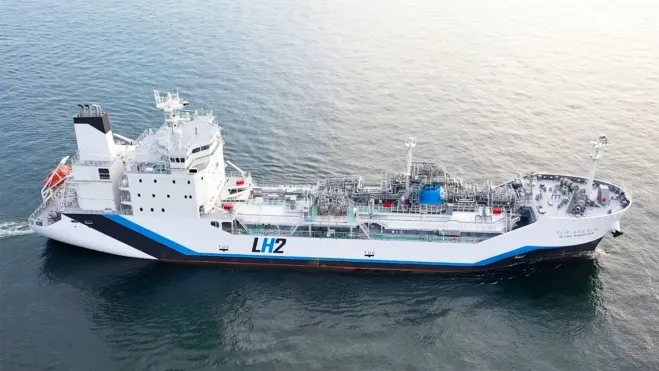
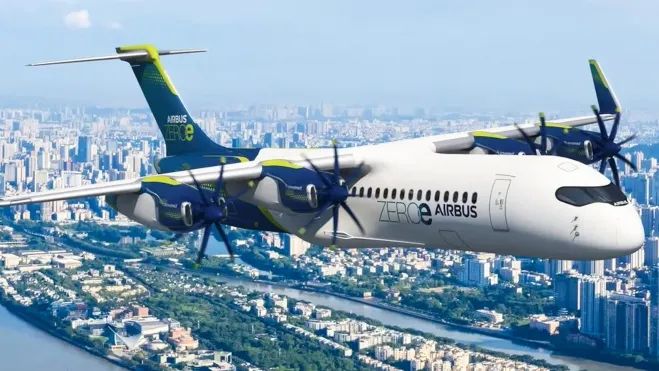
A long-range airplane or a large ship faces a different reality. They need to store enormous amounts of energy without significantly increasing weight or available space. That’s why aviation and maritime transportation have become two of the markets where hydrogen-based fuels are generating the most interest.
In aviation, SAF (alternative fuels) allows the use of existing infrastructure and aircraft with limited modifications compared to a complete transition to electric power. In shipping, e-methanol stands out as one of the options receiving the most attention for reducing emissions from large ships.
That doesn’t mean they are cheap solutions. Producing renewable hydrogen requires a lot of electricity, and converting it into another fuel introduces additional energy losses. But in these sectors, the discussion isn’t just about efficiency. It’s also important to find a technology capable of storing enough energy to cover thousands of kilometers.
Hydrogen may lose one battle but win a much bigger one
The evolution is particularly interesting because it completely changes the narrative of recent years. Hydrogen cars seemed destined to compete directly with battery electric vehicles. Today, that competition has clearly tilted in favor of batteries in the passenger car market.
However, just because hydrogen doesn’t succeed in cars doesn’t mean it has no future in transportation. It could end up playing a different role: becoming the raw material used to produce fuels that will still be needed for those vehicles that can’t be electrified easily.
The agreement between Plug Power and Arcadia eFuels is aimed precisely in that direction. The next major opportunity for hydrogen may not lie in replacing batteries, but in reaching places where batteries still cannot go.
