
Volkswagen Group releases its 2030 plan aimed at restoring competitiveness
04/09/2026 11:00
Updated to
04/09/2026 11:00
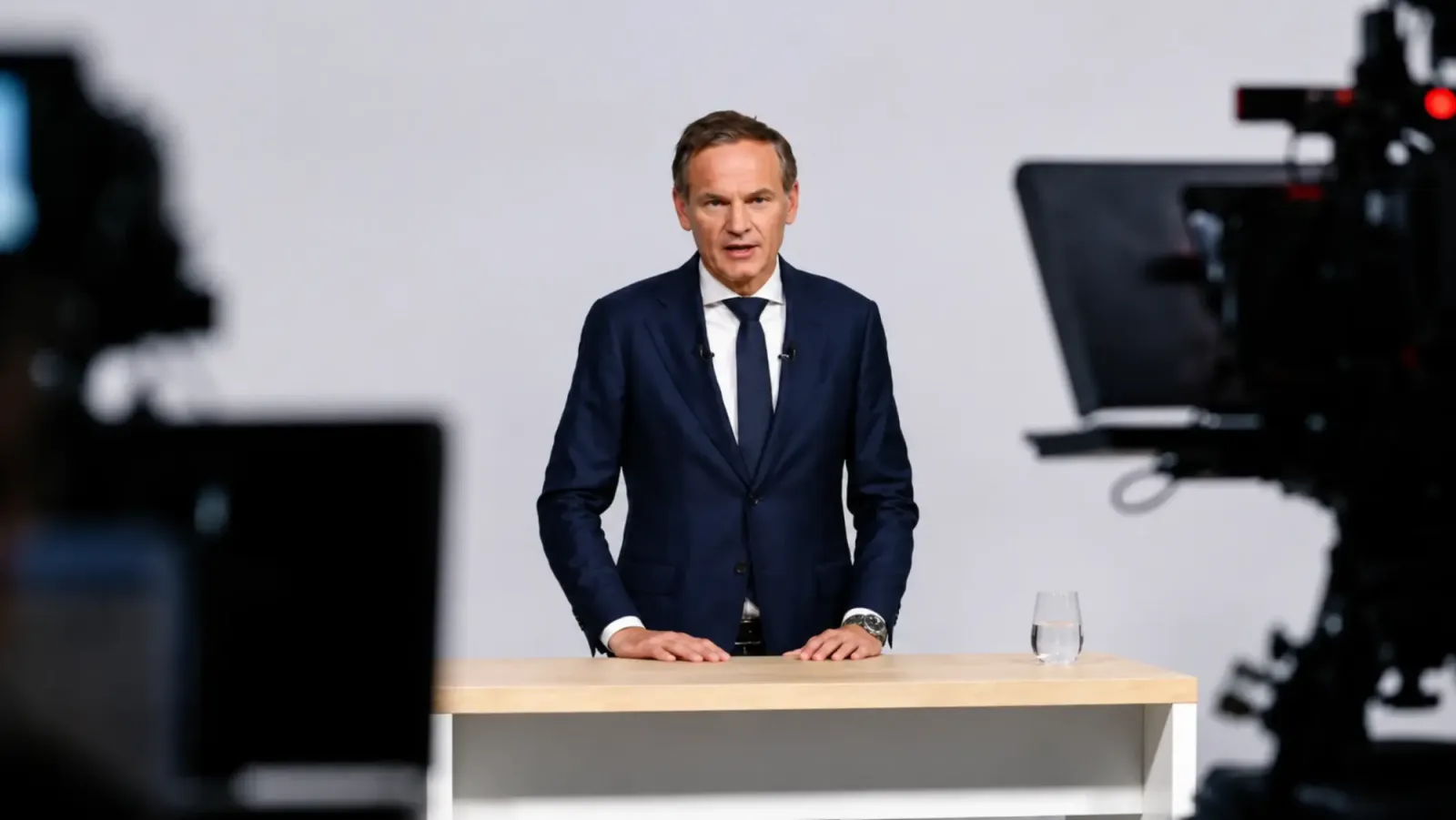
Volkswagen Group has just taken a decisive step toward transforming the company with the Supervisory Board’s unanimous approval of its Future 2030 plan. This roadmap is not merely a slight adjustment in direction but a comprehensive restructuring aimed at ensuring the viability of its brands in the face of increasingly fierce international competition.
The full board recognized this as a vital step for both the group and the future of its workplaces. The company’s CEO, Oliver Blume, confirmed that they will make multimillion-dollar investments in the coming years to ensure their vehicles remain attractive and technologically superior.
An Unprecedented Financial and Product Transformation
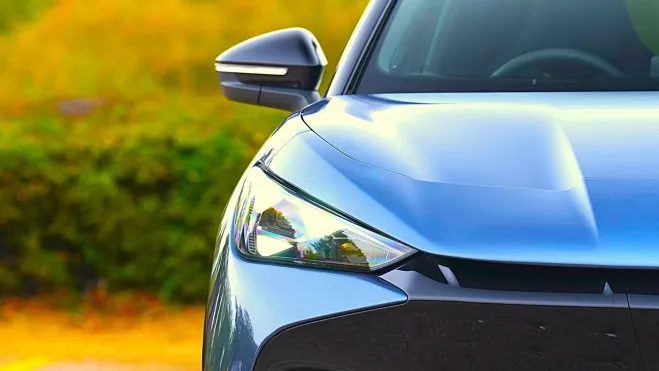
The company’s main goal is to achieve an operating margin of 9% by 2030, which would result in an operating profit of around 31 billion euros. To achieve this, they will allocate 135 billion euros to capital expenditures and research and development between 2027 and 2031. This capital injection aims to strengthen key technologies such as new electronic architectures, the development of native software, and assisted driving systems.
At the same time, a dramatic change will be observed in dealerships and the way new vehicles are configured. The German consortium has decided to significantly simplify its product lineup. By 2035, the group will cut its model portfolio in half and reduce vehicle configurations by 75%. By focusing on fewer variants, the brand aims to achieve higher volume per model produced, securing greater economies of scale and reducing logistics costs. In this way, they will systematically adapt their platforms to the specific demands of markets, putting an end to the era of excessive model variations.
The challenge of European factories and overcapacity
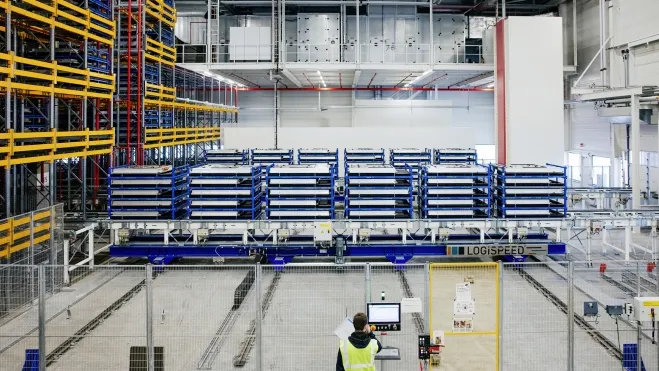
Due to this excess, the future productivity of flagship plants such as Emden, Zwickau, Hannover, and Neckarsulm cannot be guaranteed in a phased manner between 2031 and 2034 under current demand conditions. As a result, the management is evaluating alternative uses for these facilities and plans to develop a new comprehensive production concept for Europe by the end of June 2027. This is a delicate task involving balancing global competitiveness against Asian manufacturers with managing the industrial impact on the old continent.
Workforce realignment and a new global strategic outlook
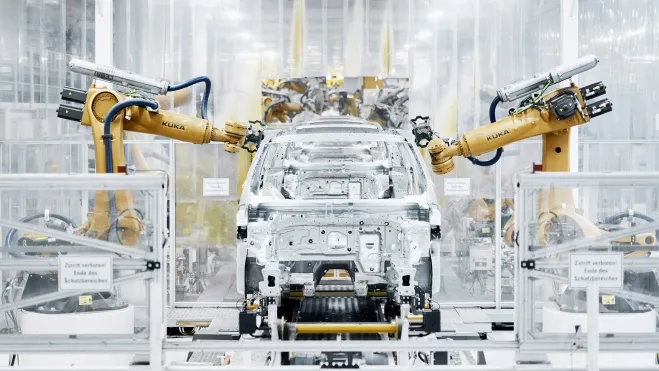
Technological modernization and the pursuit of operational efficiency necessitate significant decisions regarding human resources. The metrics from Plan Futuro 2030 indicate that adjustments to the global workforce will be required, affecting around 50,000 jobs, including managerial positions. The shift toward electric vehicles, which demands a different assembly architecture with fewer mechanical components compared to internal combustion engines, forces the alignment of workforce capacity with the new manufacturing realities.
Internationally, the strategy is also being redefined to protect profits. In North America, the group will focus solely on the most profitable segments. In China, the current undisputed leader in electrification, the company is adjusting its growth projections and will use its Asian base to expand export business into the Global South.
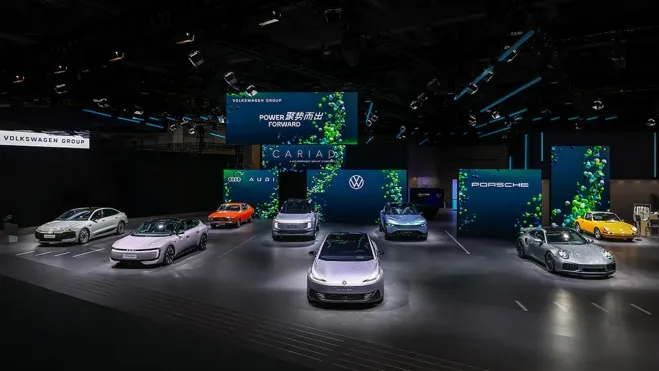
Restructuring with an eye on an electric future
Simplifying the group’s organizational structure, along with the decision to cut its non-strategic investment portfolio by a third, will enable Volkswagen to make decisions much more swiftly. The goal is to eliminate corporate bureaucracy to shorten vehicle development cycles, allowing technological innovations to reach the market earlier.
Volkswagen Group is shedding structural burdens to focus entirely on tomorrow’s core engineering. The success of this ambitious plan will set the path for the German giant to regain its competitive edge in future mobility.