
The U.S. government warns Ford: it is very unhappy with its partnerships with Chinese electric car manufacturers
15/09/2026 09:30
Updated to
15/09/2026 09:30
The U.S. Department of Transportation, through Secretary Sean Duffy, has sent a stern warning to Ford Motor Company’s top executives. The U.S. administration is deeply concerned about the close ties the blue oval company maintains with several Chinese manufacturers in the electric vehicle sector.
This warning is not merely a formal notice but a reminder that targets key strategic agreements for the brand’s electrification, questioning decisions made both in the United States and internationally.
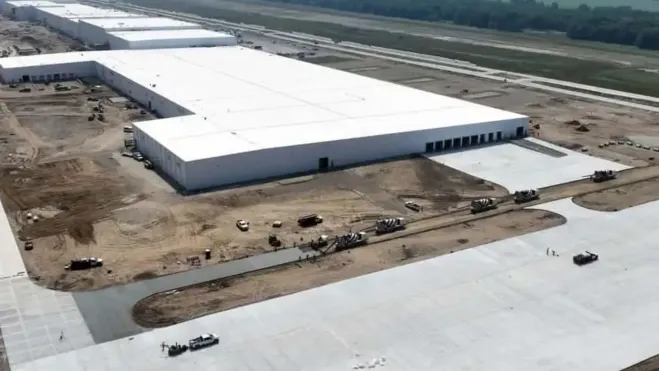
CATL’s batteries at the Michigan plant at the center of controversy
The main focus of conflict is in Marshall, Michigan, where the BlueOval Battery Park industrial complex is located. The U.S. government openly criticizes Ford for continuing to rely on technology licensed from the Chinese manufacturer CATL for producing lithium iron phosphate (LFP) batteries.
Although the facility is owned by Ford and employs American workers, the use of Chinese patents in key infrastructure raises concerns about national security and competitiveness in Washington. For the administration, relying on licenses from this Asian giant to develop electrification strategies hinders the creation of a truly self-sufficient technological ecosystem in North America.
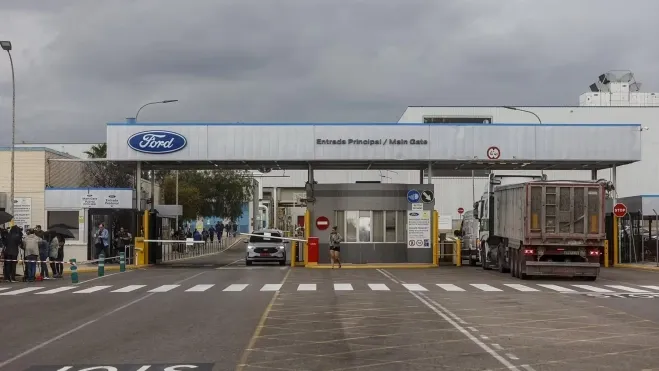
The impact of international partnerships and the Almussafes plant
This warning extends beyond U.S. borders. The government document also questions the strategic partnerships Ford has formed outside its country to ensure the profitability of its operations. At the center of scrutiny is the deal reached with the Chinese group Geely in Europe, which is crucial for securing the future and workload of the factory in Almussafes, Valencia.
In addition, Washington has criticized the company for continuing to produce certain Lincoln models in China for export until 2030, as well as for engaging in discussions with firms like BYD. According to the official position of the Department of Transportation, these decisions shift industrial capacity and technological development to foreign territories where they should remain within the country.
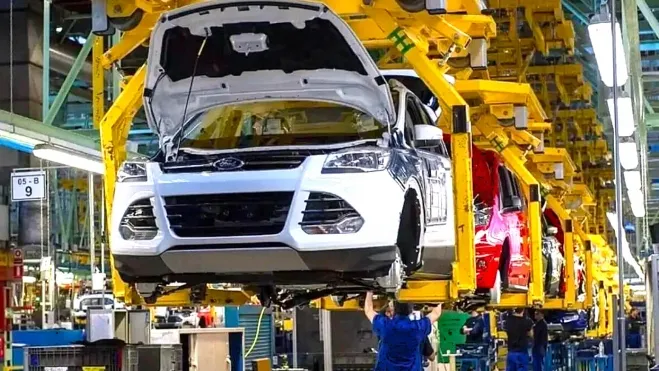
Ford defends its sovereignty and competitiveness
Ford’s management, for its part, has categorically rejected the accusations, describing the claims in the letter as a misguided attempt to create headlines. The company asserts that its commitment to American workers is absolute and emphasizes that the Michigan plant is entirely owned by them.
The company argues that licensing external technology is a common practice in the global industry, allowing electric and hybrid vehicles to be made more accessible to end consumers without sacrificing control over their manufacturing operations. However, the incident highlights the growing complexity faced by traditional automakers, caught between political demands for technological sovereignty and the operational realities of a transition to electric vehicles that is largely driven by China’s supply chain.