
China’s giant CATL announces more battery factories in Europe to prevent demand from exceeding its production capacity
CATL, the world’s largest battery manufacturer, plans to expand its production capacity in Europe. This was confirmed by its regional director, Matt Shen, who believes the current capacity will be insufficient to support the growth expected in the European market in the coming years. Rising fuel prices have driven electric car sales to accelerate over the past few months.
Currently, the Chinese company operates a 14 GWh gigafactory in Germany and another 100 GWh facility in Hungary, with a third plant set to open soon in Zaragoza. This plant, which will have an annual capacity of 50 GWh, will be operated jointly with Stellantis. It will specialize in producing LFP (lithium-iron-phosphate) cells, which will primarily be used in vehicles assembled at the Figueruelas factory.
In Shen’s view, this will not be sufficient. The executive predicts there will be three waves of electrification in the coming years: first, electric passenger cars; second, stationary energy storage; and third, commercial vehicles. No additional details have been revealed yet regarding these new gigafactories, such as their locations or the dates they will begin operating.
Shen emphasizes the importance of being close to customers and having access to logistical and energy infrastructure. On the other hand, he points out that the biggest challenge is the shortage of skilled workers and engineers, as Europe’s battery industry currently lacks qualified specialists and engineers. Therefore, investment in staff training is also necessary.
CATL bets on sodium batteries
It’s worth noting that CATL is one of the main proponents of sodium batteries, an emerging technology that promises significant improvements in key areas such as cost, charging speed, and resistance to extreme temperatures. The company estimates that, in the medium term, sodium batteries could account for 30-40% of the market.
Although their focus on this type of battery is currently limited to China, it’s only a matter of time before they reach Europe as well. For example, the Renault Group has shown interest in this chemistry, and since the current Twingo and Dacia Spring models use CATL’s LFP batteries, it wouldn’t be surprising if they switch to sodium batteries in the future.
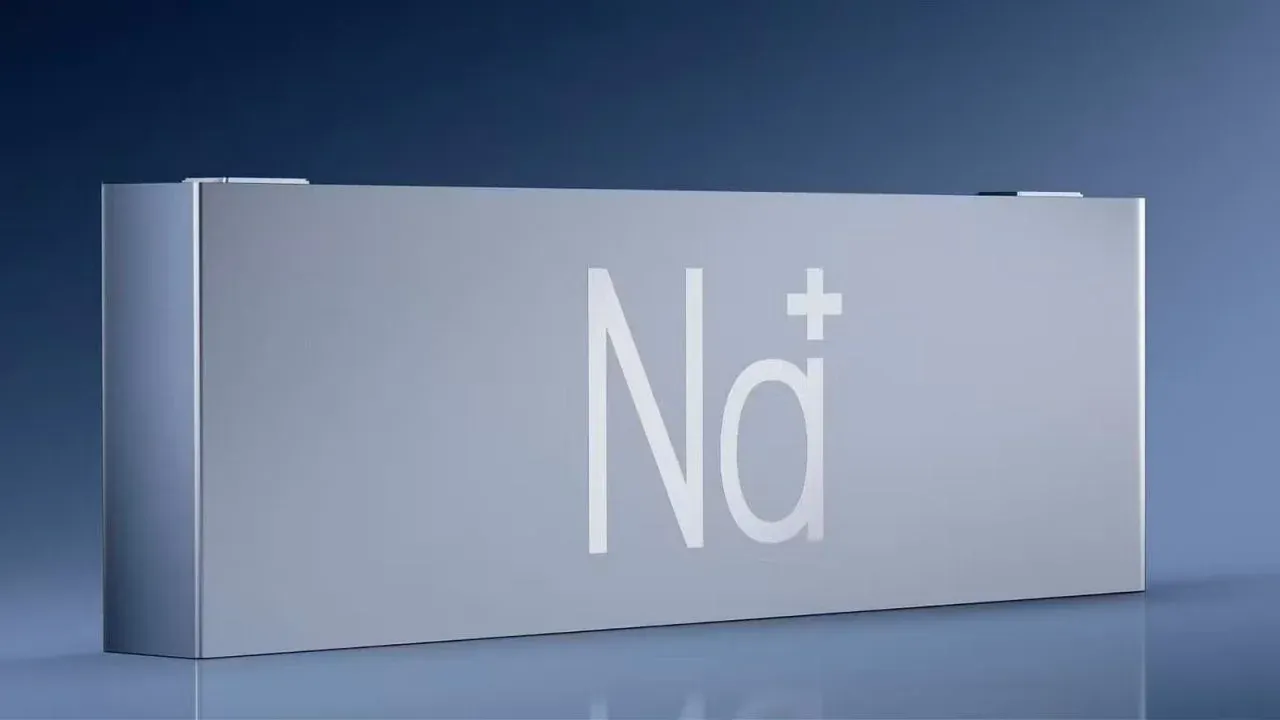
CATL’s sodium batteries boast excellent performance in extreme temperatures (they retain about 90% of their capacity at -40 ºC, while the temperature rises by only 5 ºC at a 5C charging rate) and a long service life (their Naxtra batteries are expected to last over 10,000 cycles).
Source | ecomento