
The future ID. Golf might feature technology developed with Xpeng: Volkswagen is considering another strategic shift
Volkswagen might change one of the key elements of its strategy for electric vehicles. After choosing Rivian to develop the electronics and software for its upcoming Western models, another option is gaining momentum within the group: leveraging work already done in China. This proposal directly affects its most produced models and brings back an uncomfortable question for European manufacturers: how much does it cost to develop competitive technology, and how long does it take to do so?
According to information published by Manager Magazin, Volkswagen’s brand head Thomas Schäfer wants to use China’s CEA architecture in most of future European models from Volkswagen, Skoda, and Cupra. The potential scope is enormous: around three-quarters of future cars from these brands. For now, this is an internal proposal, not an approved decision or an announced break from Rivian.
The main argument is economic. Internal calculations cited by the German magazine suggest a combined savings of between 4,000 and 5,000 million euros if the group adopts this solution in its highest-volume segment. Models affected would include future generations of the ID. Golf, ID. Passat, and Skoda Enyaq—cars that are expected to play a key role in the manufacturer’s electric vehicle business in Europe.
The pressure to cut costs helps explain this trend. According to the same sources, the Core brand group, which includes Volkswagen, Skoda, Seat/Cupra, and Volkswagen Commercial Vehicles, is expected to improve its profits by more than 12 billion euros by 2030 compared to current forecasts. At the same time, it would need to reduce planned investments by nearly 15 billion euros. With such demands, choosing the electronics for future vehicles is no longer an exclusively technical issue.
A technology developed in China that Volkswagen is already producing
CEA stems from a collaboration between Volkswagen, Xpeng, the VCTC development center, and Cariad China. It’s not simply about buying a program and installing it in European cars: we’re talking about an architecture that organizes the car’s electronics and enables the integration of its digital functions. According to the report, Volkswagen also holds the intellectual property rights to this solution, an argument used by its supporters to present it as technology exclusive to the group.
Its existence and entry into production have indeed been officially confirmed. Volkswagen announced in January 2026 the start of manufacturing for the first model equipped with CEA, the ID. UNYX 08. It is a zonal architecture featuring high-performance central computing and remote update capabilities, designed to be used across various platforms and propulsion types. The manufacturer claims it took only 18 months to move from concept to production.
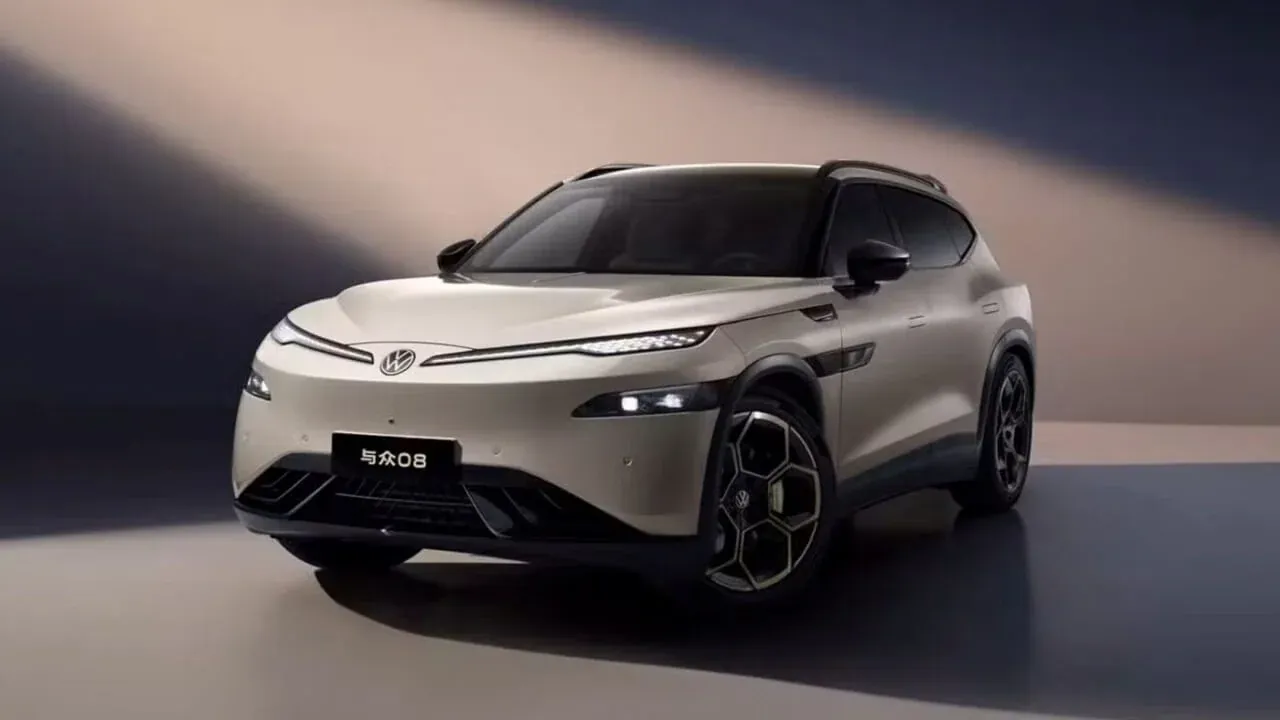
For those who advocate moving it to Europe, that maturity is a significant advantage. The technology already works in production cars and provides a foundation for further development. The report contrasts this situation with the doubts of some Volkswagen officials about how much time it will take for Rivian’s solution to cover the entire next generation of SSP electric vehicles. These are internal assessments reported by the media, not an official acknowledgment of delays by the joint venture.
There are also cost differences that fuel the debate. According to the cited internal comparisons, an hour of development at the joint venture with Rivian costs approximately four times more than at the VCTC center in Hefei. The article also notes a difference of around 8,000 euros for a model such as an electric Tiguan developed and manufactured in Europe compared to development in China. This latter figure refers to a broader comparison of the car; it should not be interpreted as savings attributable solely to software.
Schäfer’s proposal would affect the SSP31 f and h variants of the group’s future platform. In terms of range, this approach would cover electric cars larger than the Polo, including the Tiguan family. The same report indicates that Volkswagen does not currently plan a completely new architecture for the gasoline and diesel models of its mainstream brands, but rather continues to modernize the existing ones.
But the change faces opposition within the company. Some executives warn that adapting the CEA to European requirements would also incur costs and risks. Just because an architecture works in China doesn’t mean it can be immediately transferred to another market. Moreover, if higher-volume models stop using Rivian’s technology, its development would have to be spread across fewer cars, which could harm the financial performance of brands that continue to rely on it.
To date, the strategy outlined by the media involved keeping Chinese technology for that market and its expansion into other regions, while Europe and the United States would rely on Rivian. Schäfer wants to change this distribution. The matter remains unresolved, and Volkswagen has declined to comment on the situation, so it is still uncertain what architecture each future model will feature.
For European buyers, what matters most is whether this dispute will result in cheaper cars with better technology and autonomous driving capabilities. This key development will determine the future of the group, which has already lost the Chinese market and now risks losing it in Europe as well.