
The future of electric cars is about to change: Geely invests in Nio’s battery swapping model
28/09/2026 17:00
Updated to
28/09/2026 17:00
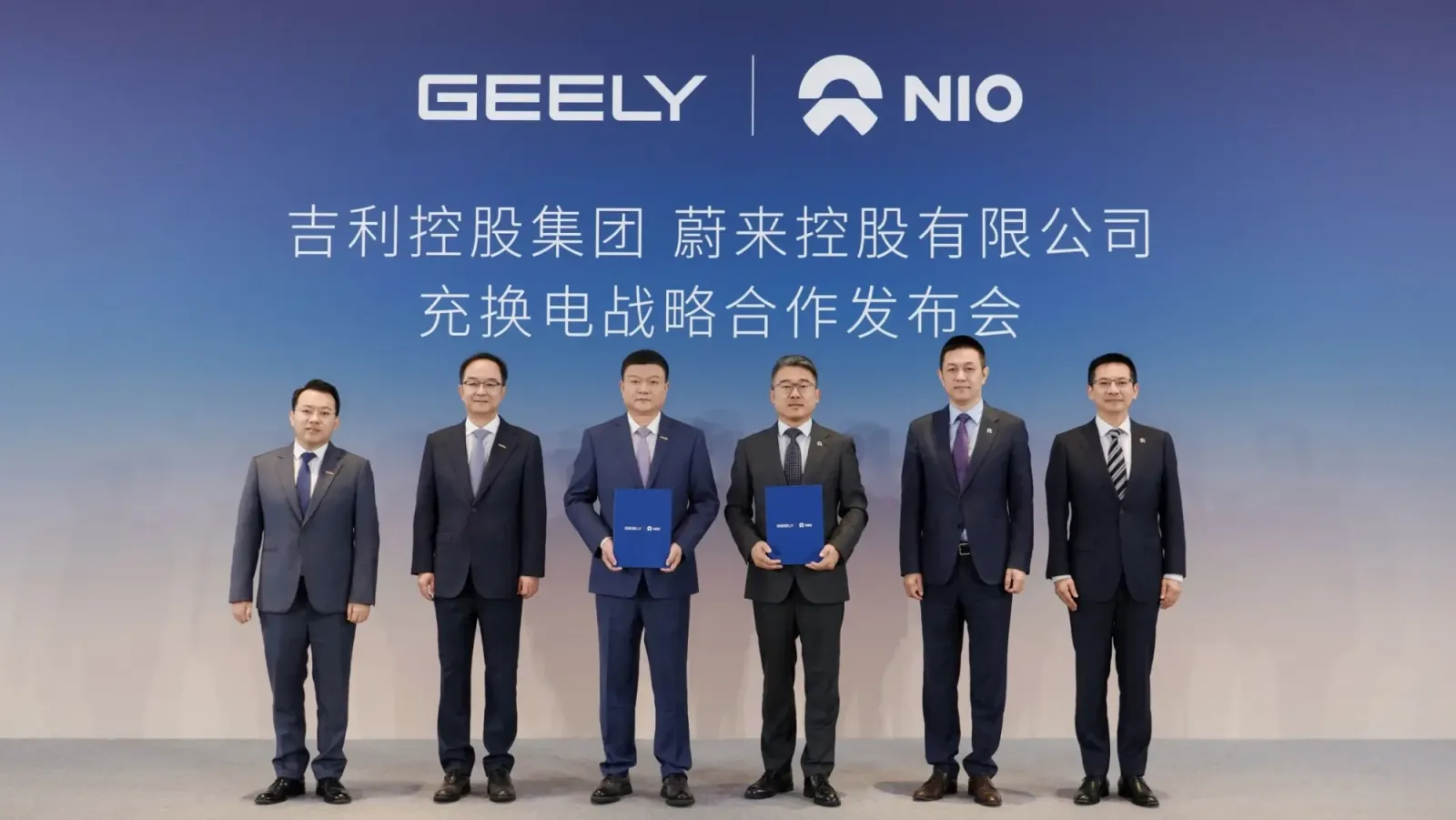
Geely Group, one of the most influential automotive conglomerates in the world, has reached a historic agreement to acquire 30% of Nio Power, the Chinese manufacturer Nio’s division responsible for deploying and managing its global battery swap network. This deal, representing the largest cross-investment between two major players in China’s auto industry in infrastructure, will enable Geely to accelerate the electrification of its brands through a shared technical architecture.
This is a movement that reshapes the landscape of electric vehicles globally, reinforcing battery swapping as a viable alternative to traditional fast charging. This technology has moved beyond being a niche option for a few manufacturers to become a widely adopted industrial standard.
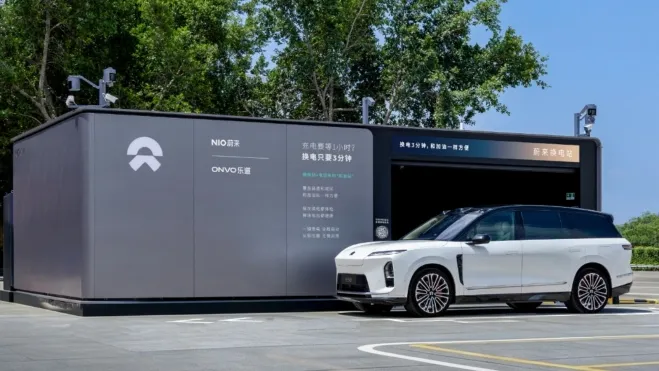
The Rise of Battery Swapping Over Conventional Recharging
For years, the major psychological and technical barrier to widespread adoption of electric cars has been the waiting time at charging stations and concerns about long-term battery cell degradation. Although new systems operate at voltages up to 800 volts and can handle very high power levels, automated replacement allows an exhausted battery pack to be swapped out for a fully charged one in just over 3 minutes.
Nio has been the major pioneer in scaling this solution, with thousands of charging stations operating in China and an expanding presence in the European market. However, the infrastructure required to support this network involves a high level of capital intensity that necessitated volume-driven synergies. By acquiring 30% of this subsidiary, Geely not only provides financial strength for deploying new charging stations but also leverages the production capacity of its various companies to rapidly make the network profitable.
Technical integration and development of new compatible models
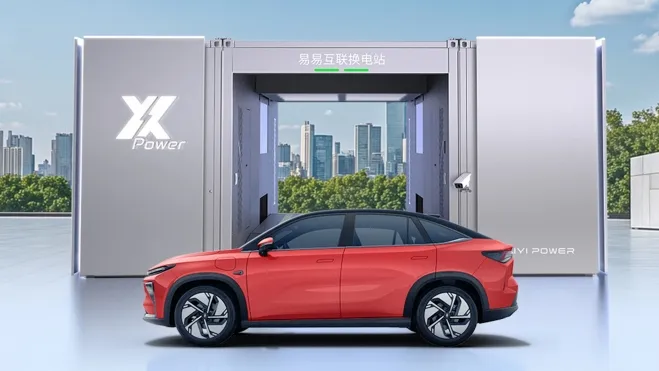
The most significant aspect of this transaction goes beyond the exchange of shares. Both companies have established a roadmap for jointly developing standardized regulations for batteries, mechanical locking systems, communication protocols, and connectivity platforms.
As a result of this agreement, Geely is already working on developing its next electric vehicles with Nio Power’s network in mind from the outset. This decision will gradually apply to the group’s modular platforms, ensuring that new models equipped with this technology can use existing charging stations.
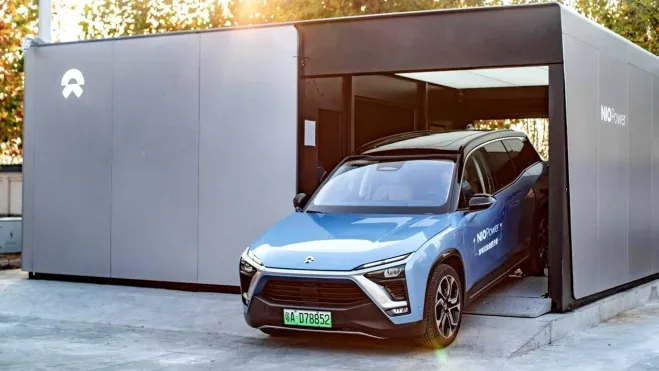
Integrating batteries into a standard structure requires high precision in the dimensions of the thermal package, the placement of high-voltage connectors, and the automated mounting points. This integration will reduce manufacturing costs and enable millions of future drivers to benefit from a flexible energy ecosystem.
Separation of vehicle and battery ownership
Beyond the operational advantages in terms of downtime, Geely’s massive entry into this network supports the battery-as-a-service business model. Under this approach, the user owns the vehicle but rents the battery pack from the energy network.
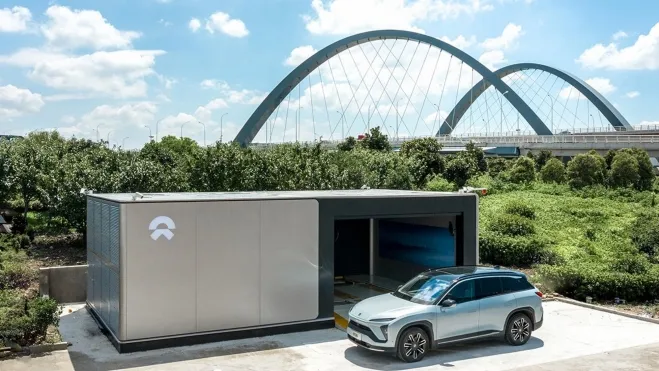
This formula reduces the initial purchase price of the vehicle, bringing it in line with or even below that of its internal combustion engine counterparts, while eliminating the risks associated with battery cell degradation. As battery technology advances over time, network users can benefit from packages with higher energy density without needing to switch cars. All that’s required is to install an updated module at the next swap station.
With Geely’s entry into Nio Power’s ownership structure, the network gains not only a top-tier partner but also guaranteed mass production capacity. This milestone lays the foundation for an open standard that other manufacturers may join in the coming years, reshaping global habits around electric mobility.