
Tesla's FSD is coming to Europe, but Germany warns of a problem that is holding it back
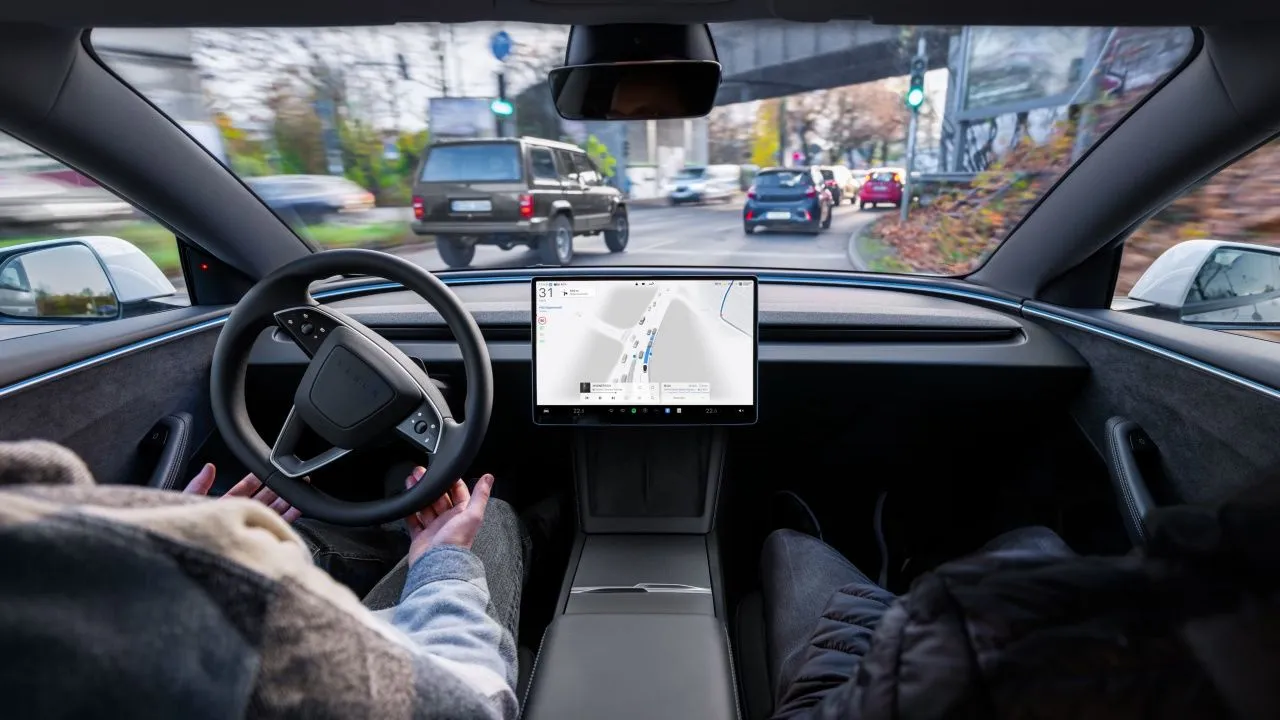
Tesla is getting closer and closer to enabling its FSD system to be used more widely in Europe, but the process is far from resolved. The approval granted by the Dutch authority RDW has opened the door for a technology that until recently seemed too advanced for European regulations, though now it is up to various governments to decide whether to extend this recognition.
Germany, one of the most influential countries in Europe’s automotive industry, is among them. The German government has made it quite clear that it does not intend to block the technology just because it comes from Tesla, but it is also unwilling to turn a blind eye to certain specific aspects of its operation.
The German position is particularly interesting because it comes at a time when the European Union has once again delayed the decision-making process. The vote that was initially expected in October will no longer take place then, and according to information provided by Germany’s Federal Ministry of Transport, the decision on recognition across the European Union is now scheduled for December 2026.
Germany does not close the door to FSD, but it raises two very specific issues.
The German Federal Ministry of Transport’s response to a query about the process presents a much more nuanced stance than it might initially appear. Germany claims to be pursuing a technology-neutral and safety-focused approach, while its federal approval agency, the Kraftfahrt-Bundesamt (KBA), is in talks with both the Dutch RDW and Tesla to examine all available information.
In other words, Berlin is not saying that FSD is unsafe or should be banned. In fact, the ministry itself acknowledges that, based on current results, the system seems capable of handling a wide range of traffic situations, especially in urban environments. But at the same time, it has doubts about certain functions it deems relevant from a safety perspective.
The first of these is particularly noteworthy. Germany raises the possibility that the system could intentionally cause speed increases of up to 50% above the allowed limit. This does not mean that FSD will always operate at 50% over the limit, but rather that the ministry is questioning a feature that allows certain speed margins to be managed by the system itself. This issue has also been publicly raised by European road safety agencies.
The second concern for Germany relates to the operation of FSD in urban areas without relying on a conventional driver assistance system. This is an important issue because one of the key features that distinguish FSD Supervised from many current assistants is the number of tasks the vehicle can handle under human supervision.
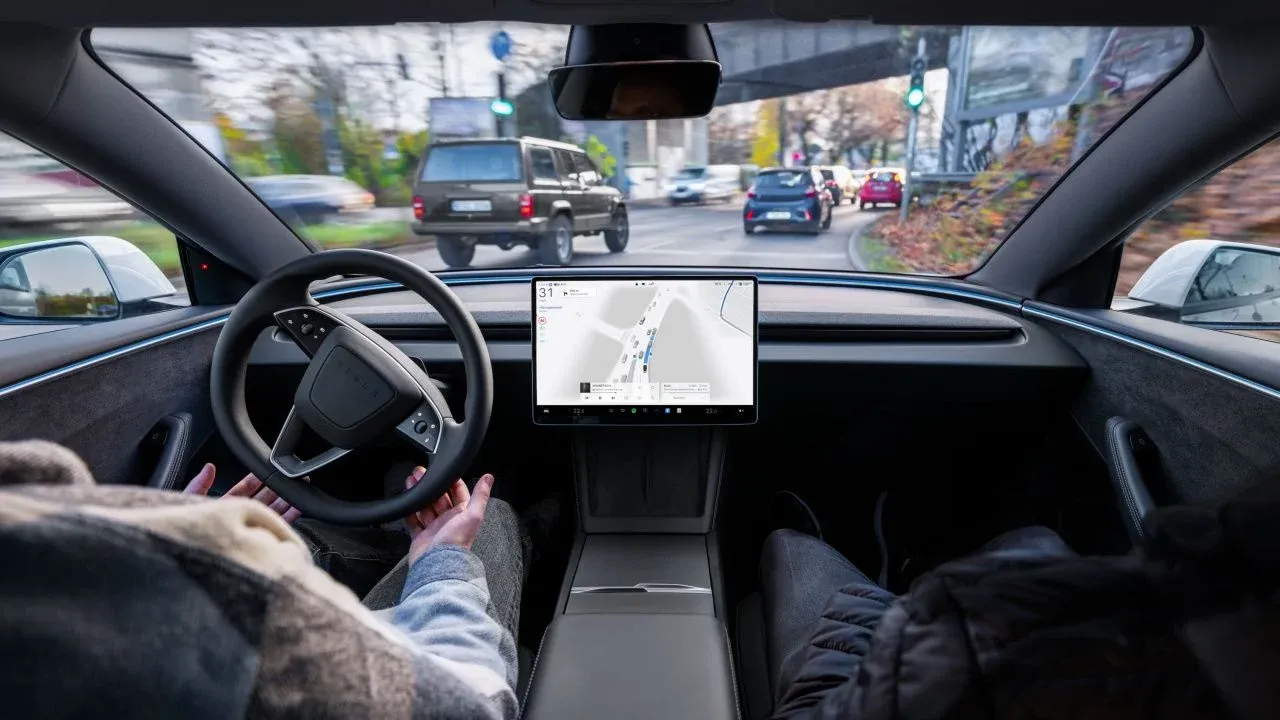
This highlights one of the key points in the entire debate. Although Tesla uses the term Full Self-Driving, it does not represent an autonomous vehicle. Tesla itself makes it clear that the driver must remain alert and ready to intervene at any time. The Dutch RDW also emphasizes that FSD Supervised is a driving assistance system, with responsibility still resting with the person behind the wheel.
And this has significant legal implications. The German ministry reminds that even when the system handles many driving-related tasks, responsibility for the vehicle remains with the driver. If the system makes a mistake, ultimate responsibility still falls on the driver, not the manufacturer.
Germany therefore considers it particularly important that users receive clear and understandable information about this responsibility. This stance, beyond Tesla, relates to an issue that will become increasingly important as cars incorporate systems capable of performing on their own much of the tasks previously handled by the driver.
The German position should also not be interpreted as an outright rejection of the system. The ministry has avoided releasing details of its internal assessment and insists it will continue to participate in the European process before finalizing its position.
Meanwhile, RDW maintains that its approval was not granted simply because Tesla submitted certain data. The Dutch authority explains that it conducted over 3,000 hours of testing, both on circuits and on public roads, performed more than 1,000 test drives, and relied on data from approximately 1.8 million kilometers driven in Europe with FSD Supervised. It also claims to have verified how Tesla collected and analyzed its data.
The approach used by the Netherlands is based on Article 39 of the European Regulation 2018/858, which is specifically designed for innovative technologies that do not yet fit fully within conventional regulations. The RDW issued a provisional European type approval in the Netherlands in April and subsequently forwarded the documentation to the European Commission and the other member states.
The next step will now be political and regulatory. A new discussion is scheduled for October 6 in the Technical Committee – Motor Vehicles, and if the timeline does not change again, a vote on recognition across the European Union will take place in December.
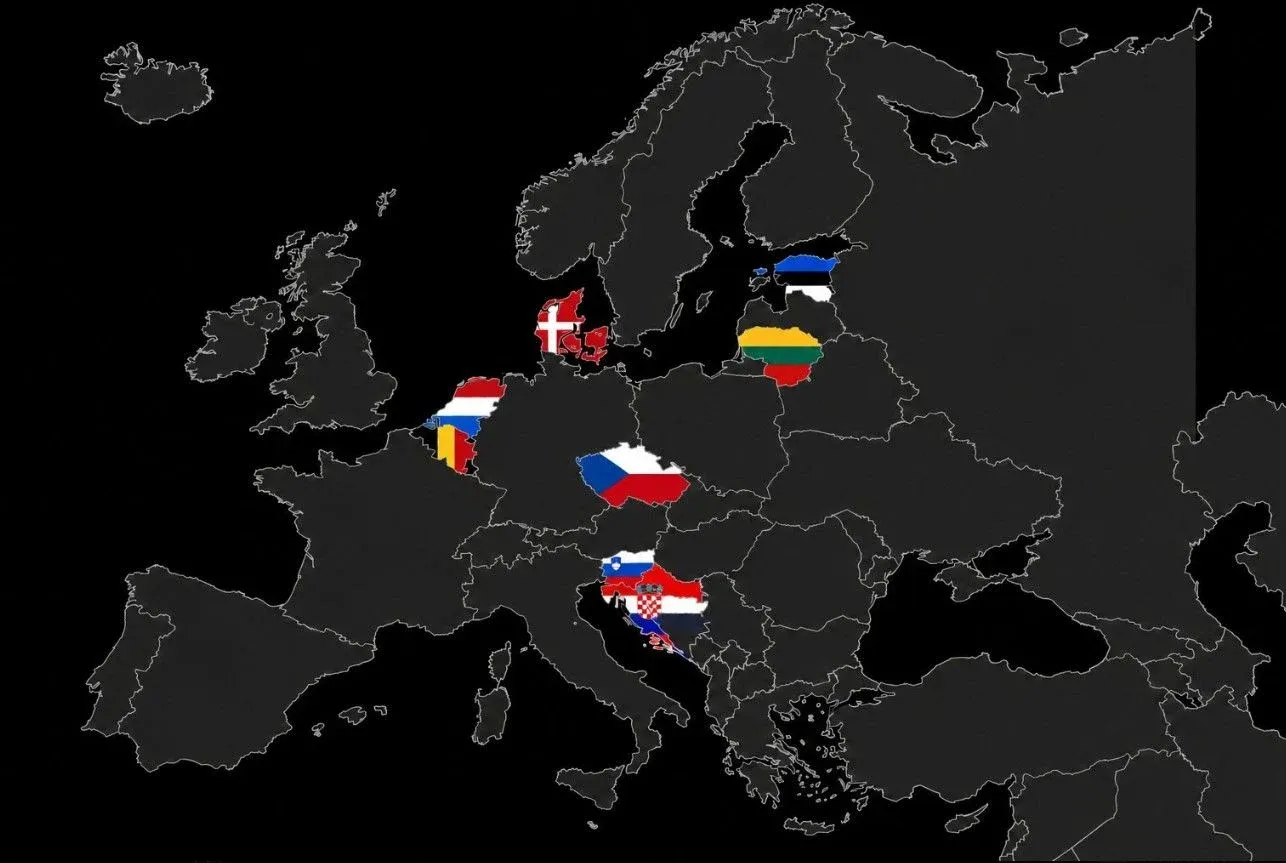
The delay is significant. The decision was originally scheduled for October, but the European timeline has shifted to at least December. Meanwhile, several countries have decided to temporarily recognize the Dutch authorization, including the Netherlands, Belgium, Denmark, Estonia, and Lithuania, with the Czech Republic joining them recently.
The situation across Europe is also uneven. While some countries have chosen to allow the system, others remain cautious. The European Transport Safety Council, for example, has called for FSD not to be approved under current conditions, emphasizing the issue of speed limits.
In addition, independent tests conducted recently in Belgium have revealed issues related to the interpretation of certain speed limits and handling maneuvers when encountering cyclists. These results should be viewed within their context and do not on their own constitute a comprehensive evaluation of the system, but they explain why some regulatory bodies continue to advocate for caution.
Tesla, on the other hand, holds a very different view. The company has released its own data on the performance of FSD Supervised in Europe and claims that the system results in fewer accidents than manual driving in the European countries where it is available. In September, it stated that it had analyzed over 100 million kilometers driven between April and August, and that the system recorded fewer collisions than Tesla vehicles driven manually. These figures come from Tesla and have been subject to debate due to the methodology used to make the comparisons.
This is where the debate begins to become particularly interesting. Europe faces a technology that is already being used on European roads, but it does not fit perfectly within regulations designed before these systems reached their current level. The decision made will affect not only Tesla. It will also set a precedent for any manufacturer aiming to introduce assistance systems capable of taking on an increasingly larger role in driving.
What about Spain?
While Germany has publicly explained its doubts, the situation in Spain is much less clear.
Tesla already conducted FSD demonstrations in our country at the beginning of the year, and the company itself has used Spanish roads as part of its European tests. However, there is currently no public statement from Spain comparable to the explanation Germany just provided regarding the specific aspects that concern its technical agencies.
In fact, a response attributed to the Ministry of Industry published in July stated that Spain was working in coordination with other countries and the European Commission, and that no unilateral decision by Spain was expected outside of the European process.
That can be perfectly coherent from an administrative perspective. Spain doesn’t necessarily have to follow the same path as the Netherlands, Belgium, Denmark, and other countries that have adopted this system. It’s also not required to automatically recognize an authorization granted through an exceptional procedure. But a separate issue is the transparency with which citizens are informed about what is being analyzed, what doubts exist, and what position Spain will take when it comes time to vote.
The main difference is that while the German ministry states its authorities are examining specific aspects such as potential speed violations and the system’s performance in urban traffic, Spain still has not seen an equivalent public analysis from our own authorities. It’s not about asking Spain to approve FSD or demanding it reject it, but rather something much more basic: knowing what they think and based on what criteria they intend to make their decision.
Is the relevant ministry taking any action? Are they conducting independent tests like those carried out by the Dutch government over a year ago?
Because if the European Union is about to make a decision that could shape the future of advanced driver assistance systems, Spain should have more than just a wait-and-see attitude.
And considering that we’re talking about a technology that affects not just Tesla, if Brussels eventually recognizes the Dutch approval, it will set a precedent for other manufacturers developing systems capable of handling more and more driving functions. On the contrary, if new restrictions are imposed, it will still be those manufacturers who must adapt their technologies.
Not only that, but Spain might be deliberately delaying the implementation of a system that has proven to significantly improve road safety. It would be like delaying the approval of airbags or seat belts for unknown reasons.
The number of states that have approved FSD makes the stance of other markets unsustainable and unjustifiable. In addition to the Netherlands, which was the first to do so, there are Belgium, Denmark, Lithuania, Estonia, Slovenia, and most recently this week, the Czech Republic.
Opinion
It is clear that Germany is protecting its manufacturers, who are far behind in innovation, especially in software and autonomous driving. This is a rather shameful stance since it goes against road safety standards. However, Spain’s herd mentality is completely unjustified and is driven by only two reasons: either a lack of understanding among technology officials about its implications, or pressure from traditional industries to slow it down as much as possible to protect their own brands.
