
The iPhone manufacturer spends 657,000,000 € to acquire 50% of Mitsubishi Electric in order to produce electric cars.
20/10/2026 14:30
Updated to
20/10/2026 14:30
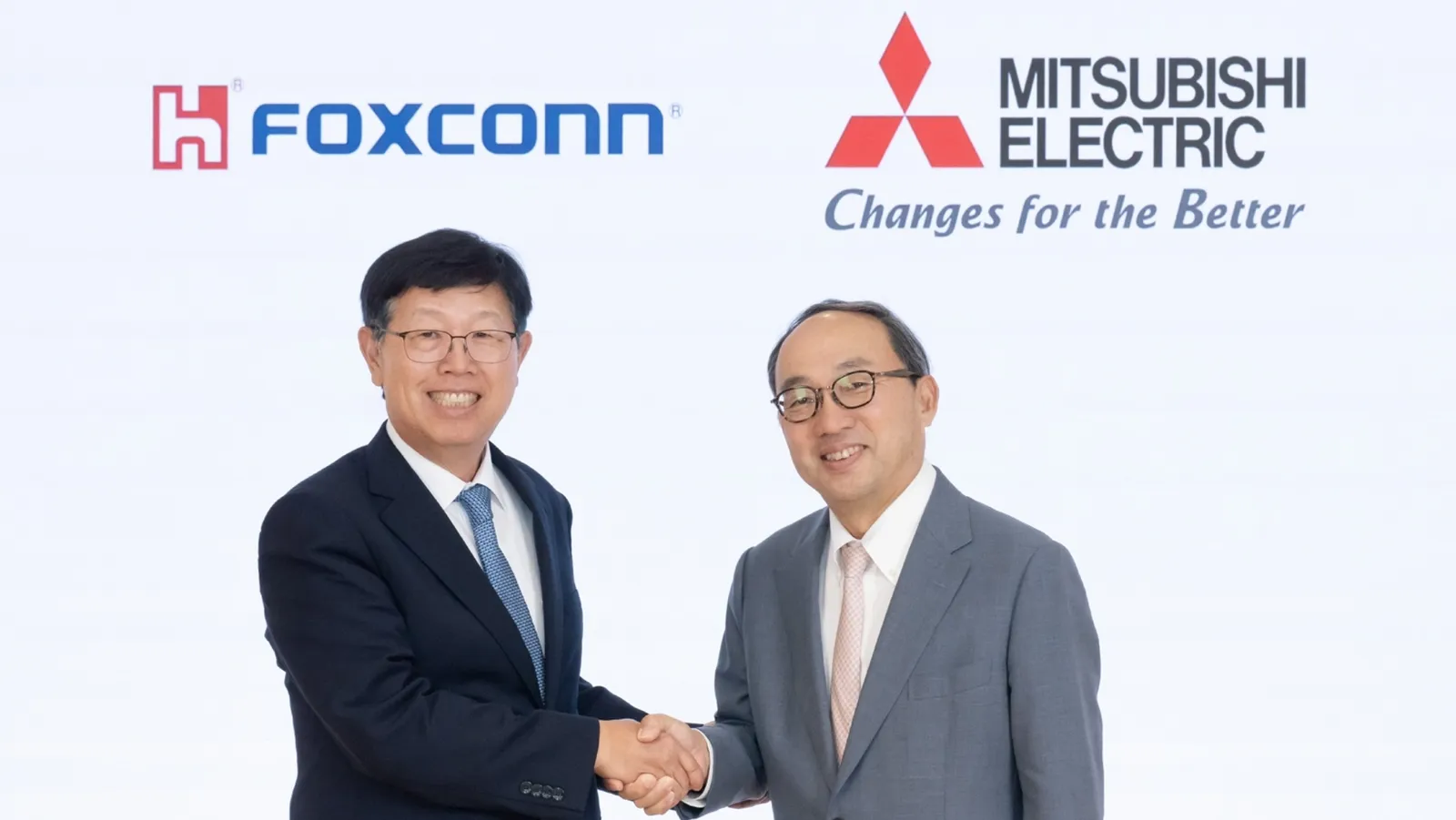
Alternators, starter motors, ignition coils, and radar sensors. These are the main products manufactured by Mitsubishi Electric’s automotive division, and it is into this area that Foxconn, the Taiwanese giant that assembles much of Apple’s products worldwide, has decided to enter. Its investment arm, Lin Yin International Investment, has signed a final agreement to acquire 50% of Mitsubishi Electric Mobility for 115 billion yen, approximately 647 million euros.
It’s important not to confuse the names: Mitsubishi Electric is the electronics and engineering group, not the car manufacturer Mitsubishi Motors. This move is notable because Foxconn has been trying for years to break into the electric vehicle market without much success, and now it seeks a direct entry point through Japanese manufacturers. It previously attempted something similar by trying to gain shares in Nissan after the company’s crisis.
A 50/50 split with a target date of 2027
The two companies will manage the subsidiary equally, as a joint venture. The deal values the business at around 1.8 billion euros as a whole, or about 1.294 billion euros if only the capital is considered. Closing is scheduled for October 1, 2027, once approval is given by competition authorities.
This transaction follows a memorandum of understanding signed in April of this year. Mitsubishi Electric Mobility has existed as an independent company since April 2024, when the group separated its automotive equipment division.
What each party contributes
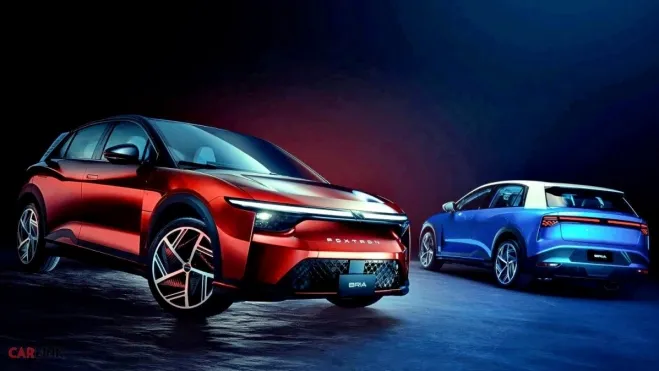
The plan is to combine Mitsubishi Electric’s technology in electric propulsion systems, software, and vehicle control with Foxconn’s ability to produce quickly at large scales. With this, they aim to develop electric vehicle platforms in Japan—that is, the technical foundation upon which a brand can later build its own model.
The first customers would be Japanese manufacturers. Subsequently, sales to the rest of the world under the “Made in/by Japan” label would follow. The stated goal is to generate at least 5.6 billion euros in revenue in the fiscal year starting in April 2030.
A more conventional business than it seems
Mitsubishi Electric Mobility is not an electric car company but a traditional supplier of components. Its catalog focuses heavily on parts for internal combustion engines, with the electric propulsion segment being smaller. Additionally, everything suggests that Foxconn will not acquire Mitsubishi Electric’s power semiconductors, which are a key component in electric vehicle inverters.
Foxconn’s Old Electric Vehicle Dream
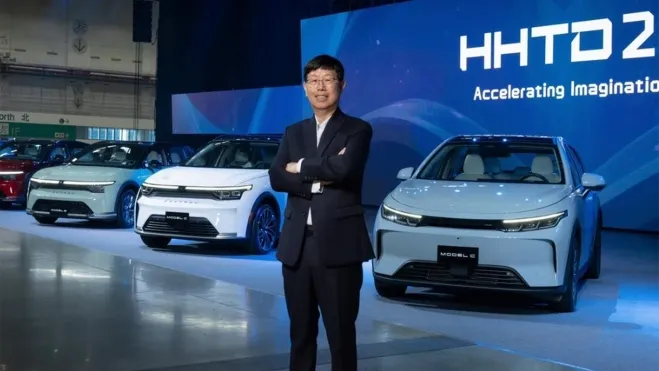
In October 2020, Foxconn’s president, Young Liu, set a goal to supply components or services for 10% of the world’s electric cars, around three million units, between 2025 and 2027. That target remains far out of reach.
Its most notable move with a Japanese brand has been another: Foxtron, its joint venture with the Taiwanese company Yulon, signed an agreement in 2025 with Mitsubishi Motors to develop and manufacture an electric vehicle for Australia and New Zealand, with a launch scheduled for the second half of 2026.
Purchasing half of a Japanese supplier that already has established customers is a more direct way to enter that industry than designing cars from scratch. What remains to be seen is how much of that alternator and starter motor business can truly be transformed into successful electric vehicle platforms by 2030.