
The success of electric cars could cost Volkswagen billions: what’s going wrong?
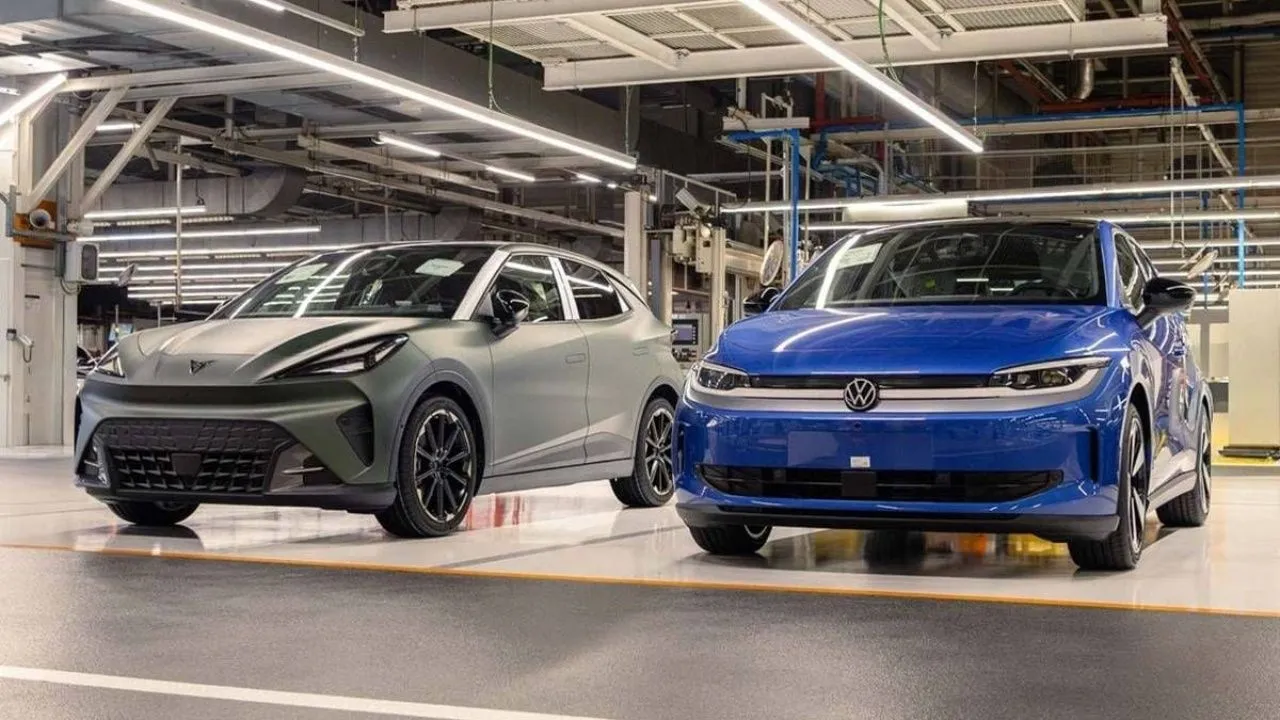
For years we’ve heard that electric cars haven’t fully convinced European buyers. That there’s a lack of demand, that the transition is moving too quickly, and that internal combustion engines deserve more time. Now Volkswagen finds itself in a rather awkward situation: its customers want to make the switch, but meeting that demand threatens to reduce the group’s profitability. This paradox says more about its industrial readiness than about consumers’ preferences.
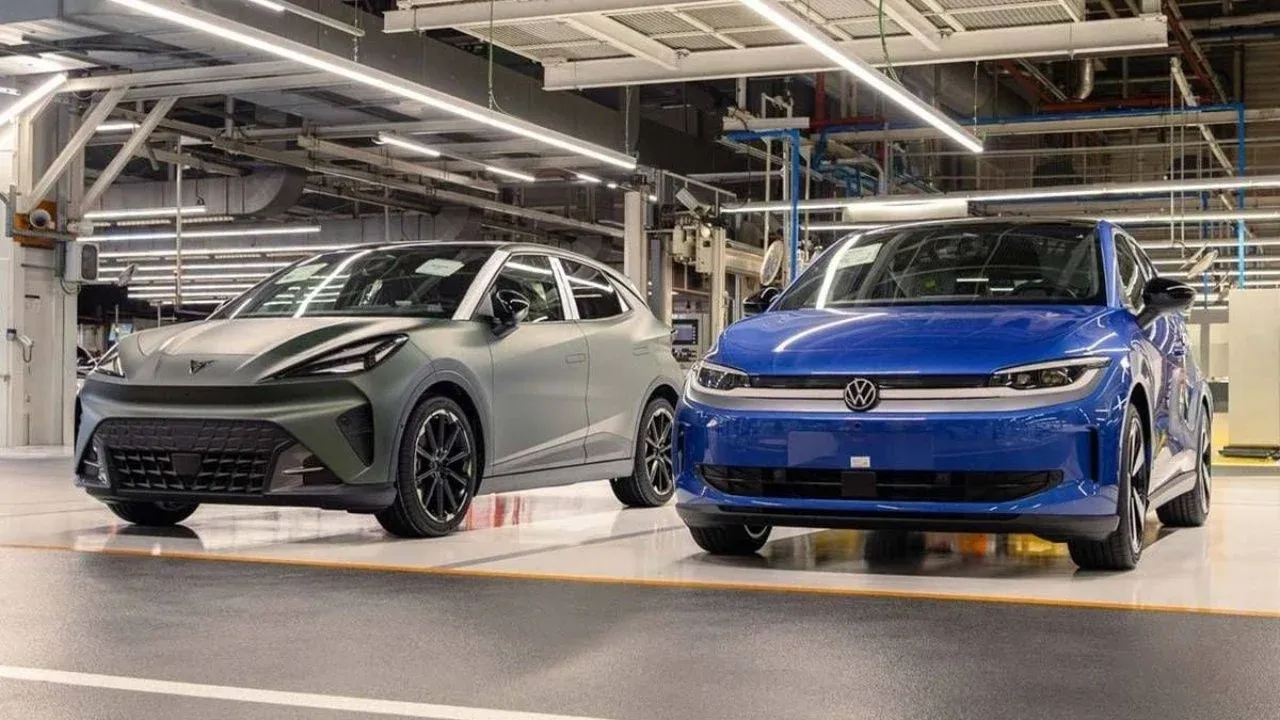
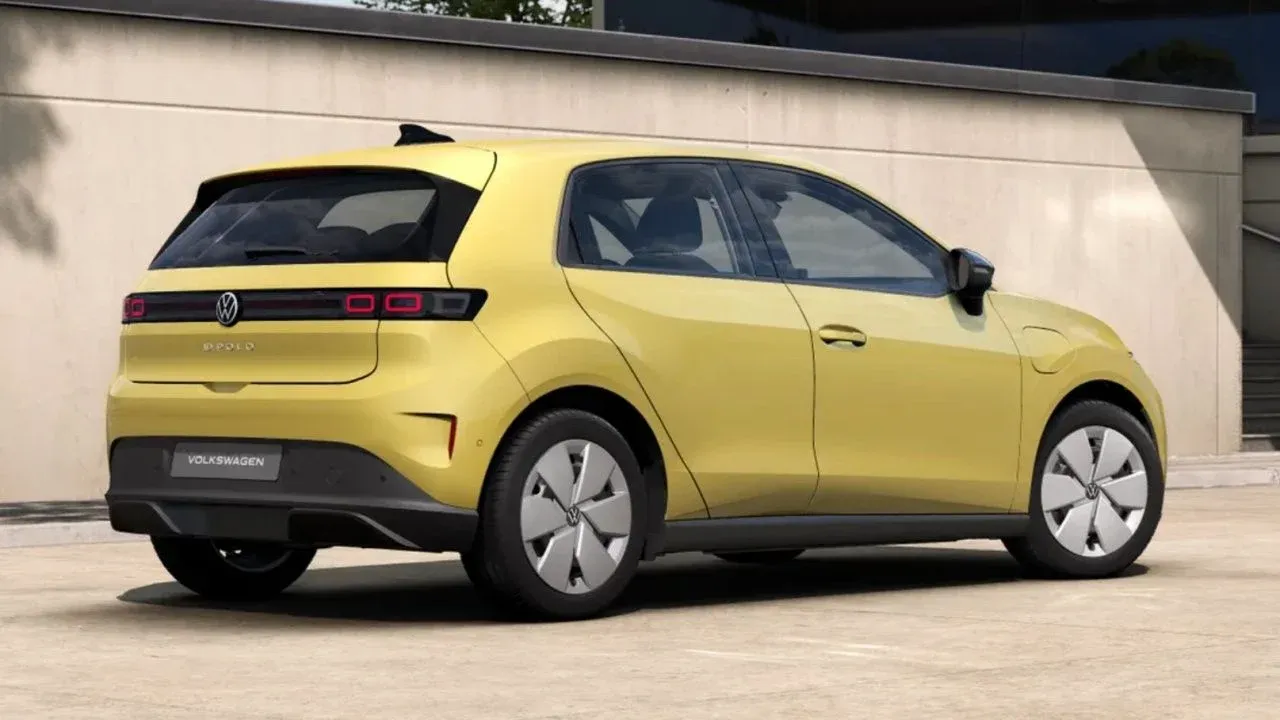
According to a report in the German newspaper Manager Magazin, electric cars account for around 40% of the orders received by the group in Europe. Additionally, the Volkswagen ID. Polo, Skoda Epiq, and Cupra Raval have accumulated nearly 150,000 orders, per statements cited by the outlet from Thomas Schäfer. The new generation of compact models is generating interest, particularly in markets where more affordable alternatives have been strongly demanded.
The issue arises when moving from orders to the results account. An internal source cited in that information estimates that the increase in the weight of electric vehicles could have an impact of around 1 billion euros this year. It’s important to clarify what this means: it is an estimate of the pressure on profitability, not an official loss published by Volkswagen nor an expense that can be directly attributed to those new models.
Selling a larger proportion of cars with lower profit margins can reduce earnings, even if demand for them increases. There’s a fairly simple accounting explanation for this. What’s questionable is presenting that demand as the core issue, when the manufacturer has known for years it needs to produce competitive electric cars. The buyer chooses from the products available at the dealership; it’s up to the company to ensure that manufacturing and selling them remains a viable business.
Batteries still make the difference
The pressure to offer affordable electric cars didn’t appear just yesterday either. In December 2024, Robert Habeck called on Volkswagen to produce models priced around 20,000 euros and reminded its executives that the company was called Volkswagen, not Luxuswagen. Beyond the pun, the message emphasized the brand’s purpose: to sell cars within reach of a broad audience, even as the technology powering them changes.
It would be unfair to say that Volkswagen has not invested in batteries. PowerCo launched the Salzgitter factory in December 2025 and produced its first prismatic cells, initially intended for final testing before integration into the group’s vehicles. That initial technology was NMC, while the company announced other subsequent variants, including LFP. The project exists and has obvious industrial significance, but starting a factory does not mean immediate large-scale production or fully optimized costs.
There is also an important nuance to understand this story: the ID. Polo hatchback does indeed use LFP batteries, as stated in Volkswagen’s official documentation. Therefore, it would be incorrect to claim that the entire new lineup of compact cars relies exclusively on NMC batteries or that the brand still does not use the cheaper alternative. The question is at what cost, with which suppliers, and what supply capacity it can expand this technology across its range.
The group itself announced in September an expansion of its partnership with Gotion to boost the production of LFP cells and cathode materials. The agreement includes facilities in Spain, Slovakia, and Morocco, with Valencia set to become a European production hub for this technology. It is a significant step also for the Spanish industry, although it shows that a key part of that industrial structure is still being built.
Meanwhile, Volkswagen has less room to finance its transformation using profits from China. According to Reuters, the country’s contribution to the group’s profits has dropped from nearly half to around 10%. There, local manufacturers have gained ground with a combination of pricing, technology, and development speed that has put foreign brands in difficulty.
All of this offers a quite different perspective on the idea that selling electric vehicles harms Volkswagen. Demand is indicating where it should direct its investments, factories, and component purchases. The challenge lies in adapting this structure quickly enough, without relying on customers continuing to choose products that best fit the manufacturer’s current financial situation for much longer.
Prolonging the commercial life of internal combustion engines can generate revenue during the transition, but it does not alone address battery competitiveness or reduce the cost of manufacturing electric vehicles. Volkswagen needs to make money from the cars that its customers want to buy. The arrival of those customers should be an opportunity; turning their orders into profits is the task ahead for management.