
"The design of the R5 would have been impossible with a combustion engine." Renault’s head designer defends retro electric vehicles
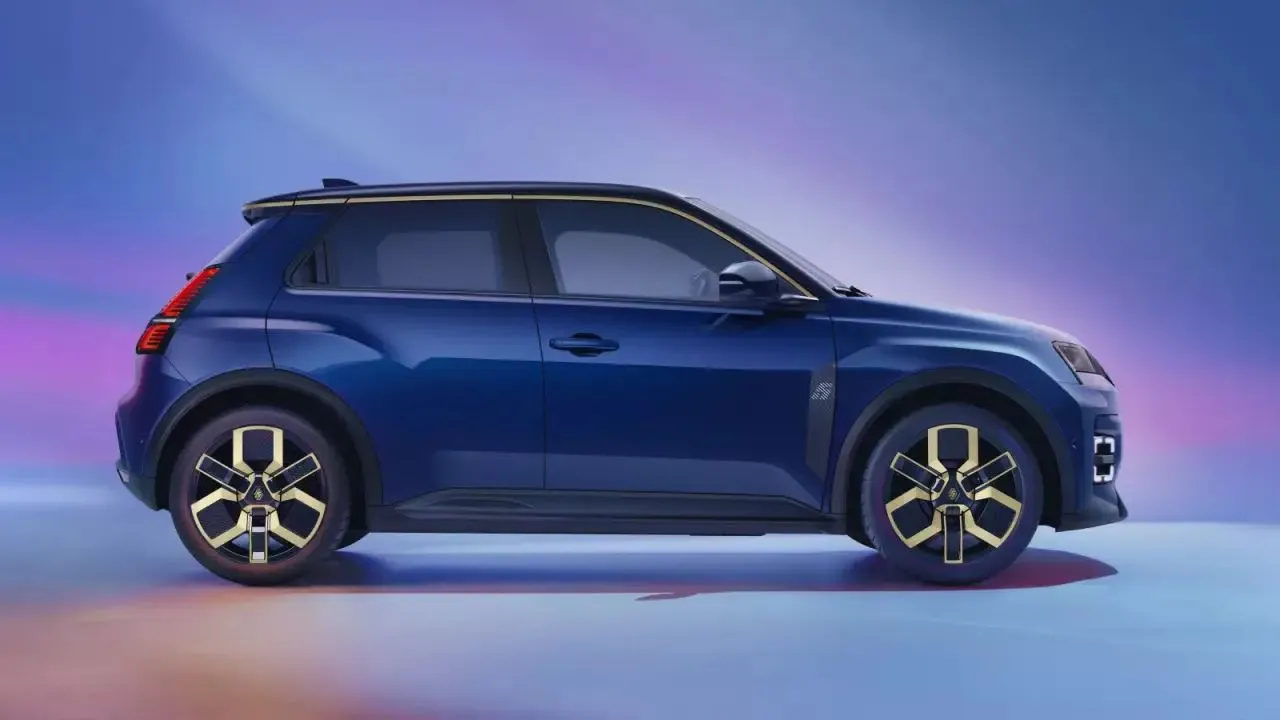
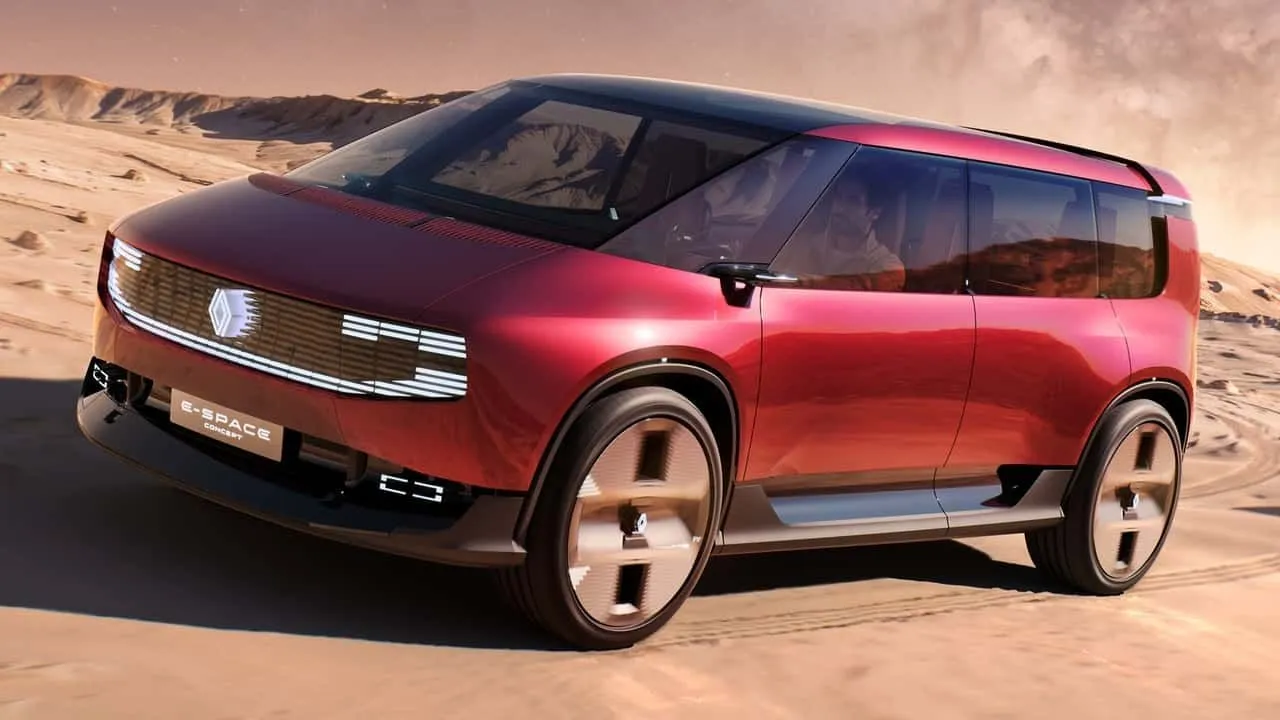
Renault has made retro-futuristic design one of the hallmarks of its electric lineup. While models like the Mégane and Scénic feature a contemporary aesthetic, the Twingo, R5, and R4 boldly revive the design elements of some of the brand’s most beloved classics. The company continues to build on its rich heritage through concepts such as the R8 Gordini Concept and E-Space Concept.
Laurens Van den Acker, head of design at Renault Group, said in a recent interview with Edison that electric vehicles allow for the replication of the proportions seen in cars from the 1970s and 1980s, something impossible with modern internal combustion engine cars. He cited the R5 as an example, noting that it is currently the most popular electric car in the European B-segment market.
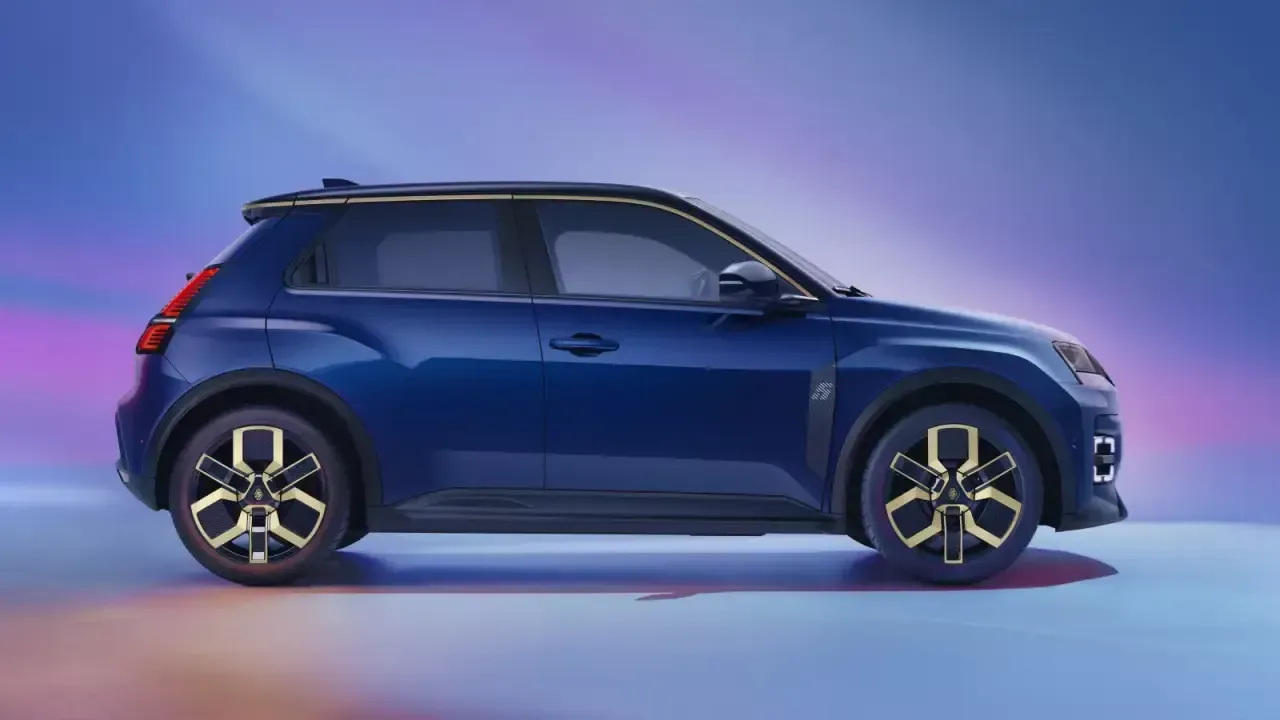
"We wouldn’t have been able to achieve the R5 in this form using a combustion engine. That would have required much larger front overhangs. Ironically, the electric architecture allows us to return to the proportions of the 70s and 80s; after all, back then there weren’t such extensive deformation zones and safety features."
"Today we have a long wheelbase, short overhangs, and a compact electric motor that leaves room for larger, more pronounced wheels. Although the new R5 is also slightly taller than the original, the large wheels perfectly conceal this visually. It looks like the old R5, just scaled up by 110%."
Renault Will Also Embrace Contemporary Designs
Despite the success of the Twingo and R5, Renault will not focus solely on retro designs. The company’s global marketing director, Arnaud Belloni, recently confirmed that their upcoming models will have a more contemporary look. He noted that the decision to revive the Twingo, R5, and R4 was made before Chinese competition arrived (“We would have created them anyway, even without the Chinese entering the market”), with the aim of positioning the brand culturally through its most well-known classics.
Renault’s upcoming electric vehicles could blur the lines between different segments, as they will be taller than sedans but shorter than SUVs. The goal of this crossover format is to combine aerodynamics with interior space, achieving an optimal balance. Additionally, the return of monovans is not ruled out, as shown by the aforementioned E-Space Concept prototype.
Renault’s next generation of compact and mid-size electric cars, which will use the cutting-edge RGEV Medium 2.0 platform, is set to debut in 2028. This new architecture will enable ranges of up to 750 km WLTP and charging times of just 15 minutes. For now, two models have been confirmed: the new Scénic and Rafale, which will be produced in Palencia.
Source | Motor.es