
Volvo’s sales director speaks clearly on electric cars: “Customers don’t come back asking to have their diesel vehicles replaced.”
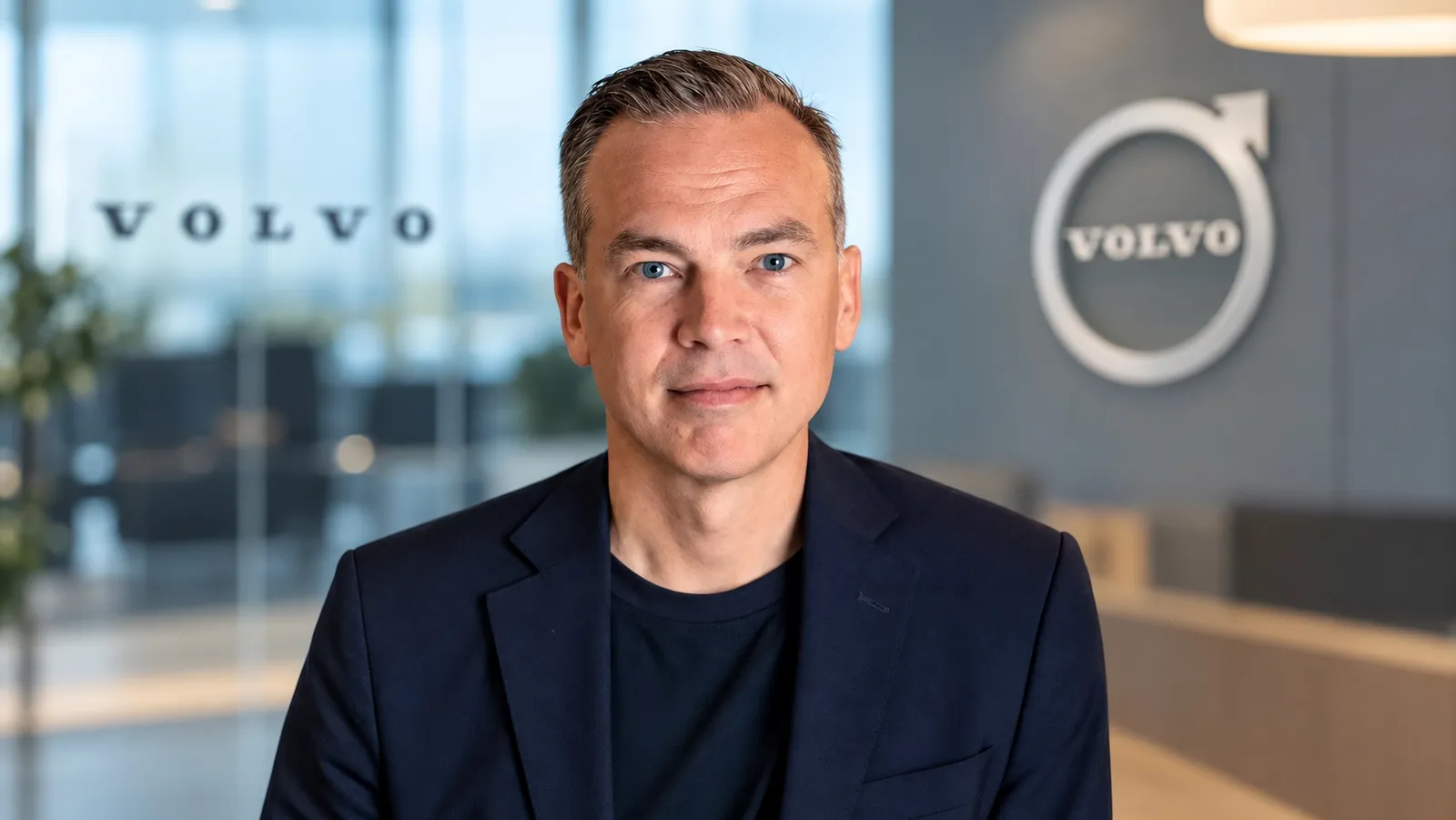
Volvo remains convinced that the future of automobiles lies in electrification, although the adoption rate of electric cars still varies significantly across different markets. Erik Severinson, Volvo Cars’ sales director, stated during the Strategy Update 2026 that the experience of customers who have made the switch has been particularly positive.
The executive used the behavior of these buyers to support his argument. “Customers don’t come back saying, ‘I didn’t like it; can I get my diesel back?’ That doesn’t happen,” Severinson said during the presentation.
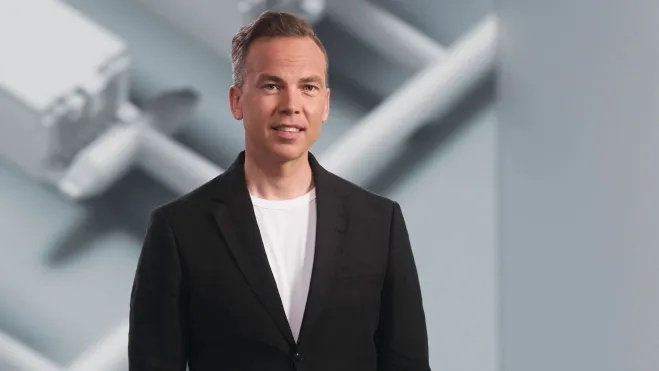
"An electric car is a better car."
Severinson went even further by asserting that, "from the customer’s perspective, an electric car is the better car," a statement through which Volvo aims to make it clear that many concerns arise before purchase rather than after using the vehicle.
The company does acknowledge, however, that significant barriers still exist. The availability of charging stations, the convenience of charging at home, and the residual value the vehicle will have in a few years remain some of the main concerns for those who have not yet decided on an electric car.
According to Volvo, those doubts do not result in a massive return to internal combustion engines. Severinson believes that if the experience with electric vehicles were truly negative, manufacturers would see customers returning to diesel or gasoline, something he insists is not happening.
That is why the Swedish brand remains committed to its strategy. The chief commercial officer summarized the approach by stating that "electrification is the path to growth" and argued that the European market continues to move toward plug-in vehicles.
Germany is advancing much faster than Spain
Volvo cited Germany as one of the clearest examples of this trend. According to data provided by the company, pure electric cars now account for over 25% of Germany’s market, and in recent weeks they may have even approached 50% of new registrations.
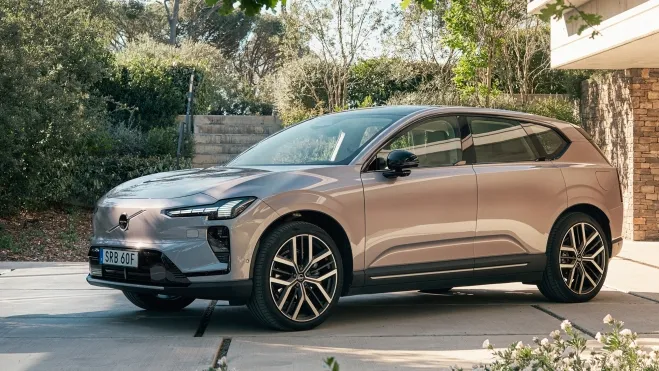
For the Swedish manufacturer, what’s happening in Germany holds special significance. It is not only Europe’s largest automotive market but also exports a large number of used vehicles to other countries, which can subsequently accelerate the spread of this technology.
The situation, however, is not the same across the entire continent. Volvo believes that markets such as France or Belgium are advancing rapidly, while Spain and Italy still show a significantly slower pace of electrification for now.
Volvo will also continue to focus on plug-in hybrids
This does not mean that Volvo will abandon internal combustion engines immediately. The company knows there are still countries and customers who are not ready to make the direct shift to a fully electric car. That is where plug-in hybrids come in. Volvo believes this technology will continue to play an important role in the coming years, with Severinson even describing it as a “transition technology” toward electric vehicles.
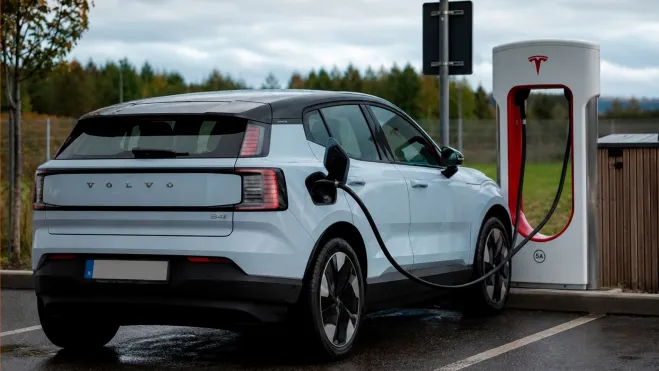
The manufacturer’s goal is to offer models that can cover a significant portion of daily trips using only electricity, while still having an internal combustion engine for longer journeys. This way, drivers also gradually get used to charging their vehicles.
Volvo believes this familiarity can later make the transition to a fully electric vehicle easier. The driver already knows how charging works and can complete most of their daily trips without using gasoline.
Volvo plans 13 new cars by 2030
Electrification will also be one of the pillars of Volvo’s upcoming product offensive. The manufacturer plans to introduce 13 new models by 2030, seven of which are aimed primarily at Western markets and six developed specifically for China.
The lineup will include both pure electric vehicles and new generations of hybrids. The company also intends to leverage synergies with Geely more fully and increase the number of shared components to reduce costs and improve profitability for its future models.
Volvo has adjusted its electrification strategy compared to the plans announced a few years ago, but it has not changed its vision for the ultimate fate of the industry. Severinson made this clear again during the presentation with another forceful statement: “The only thing that’s growing are cars with plugs.”