
The electric Dacia Bridger targets Europe as a competitor to the Fiat Panda and the Citroën ë-C3
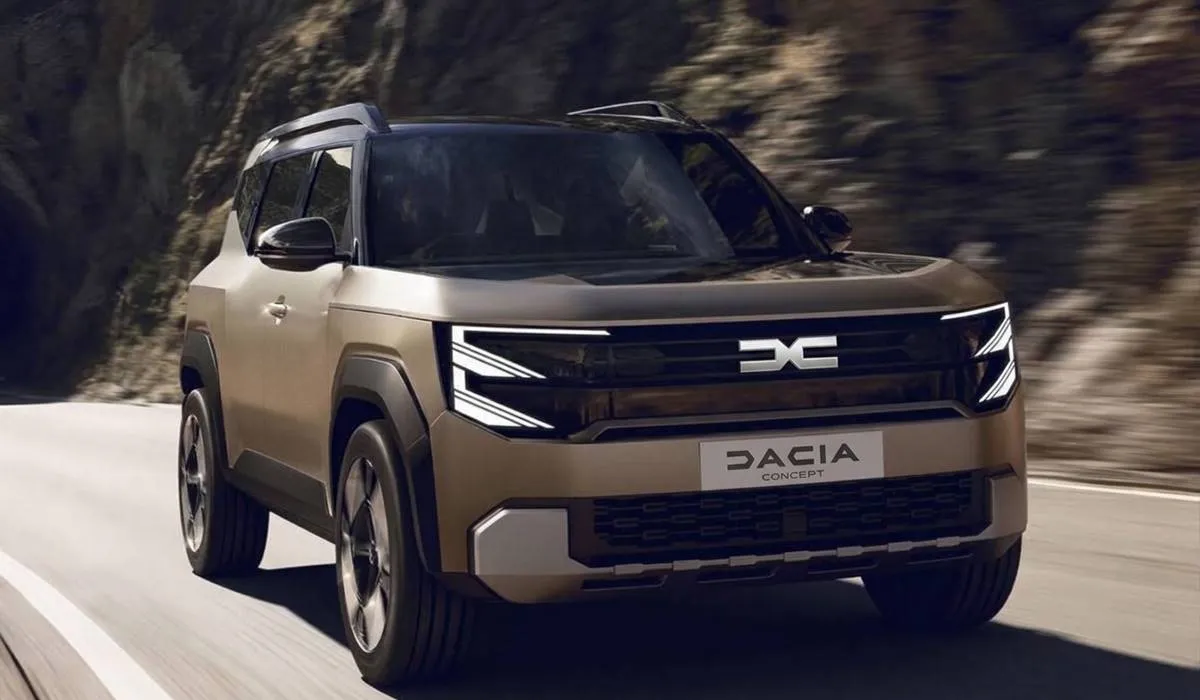
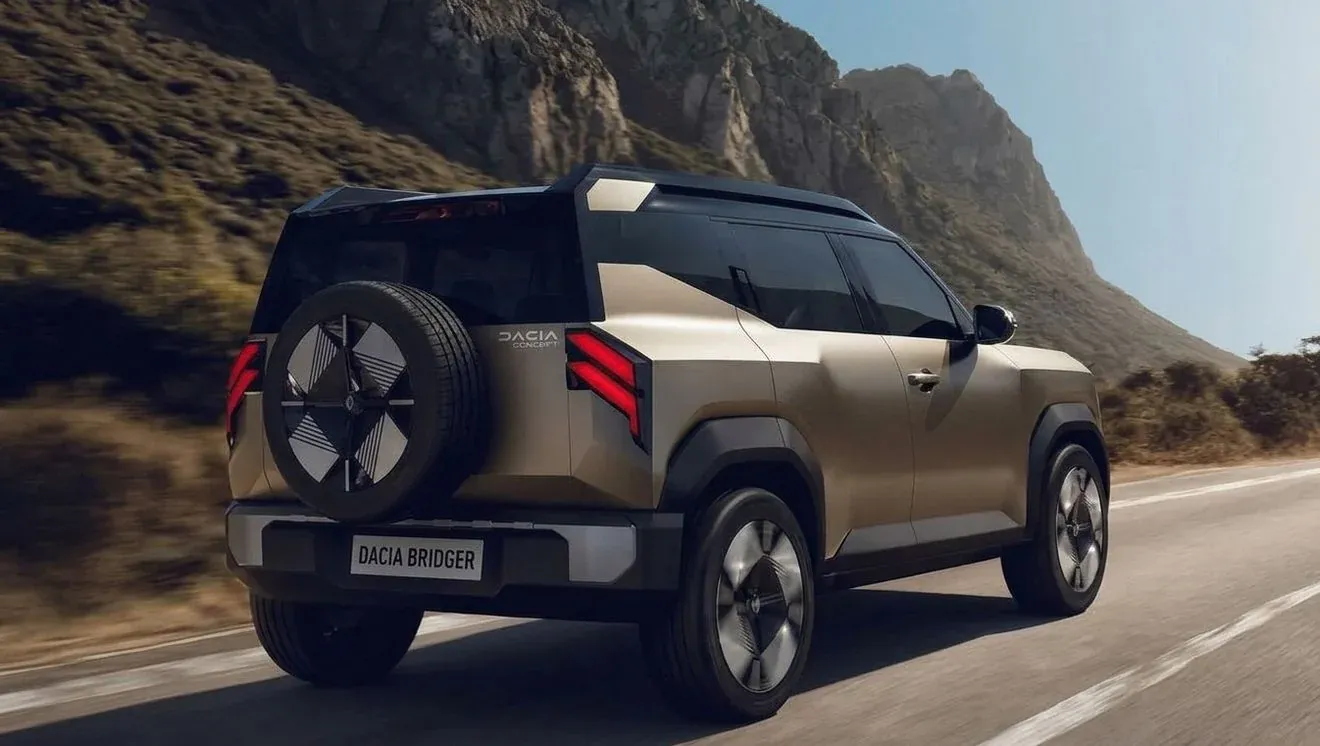
Renault Group’s global expansion plan includes launching the Bridger next year. It is a compact SUV with a robust design, heavily inspired by the aesthetics of the Suzuki Jimny, intended to position itself below the well-known Renault Duster in the French brand’s dealerships in that region.
Although its initial plans did not include selling it in Europe, with India being its first market, strict environmental regulations have forced Dacia to reconsider this roadmap. The Romanian brand aims to accelerate the electrification of its lineup in a rapid and cost-effective manner, taking advantage of the tax incentives provided under the EU’s new Industrial Acceleration Law for locally manufactured electric vehicles.
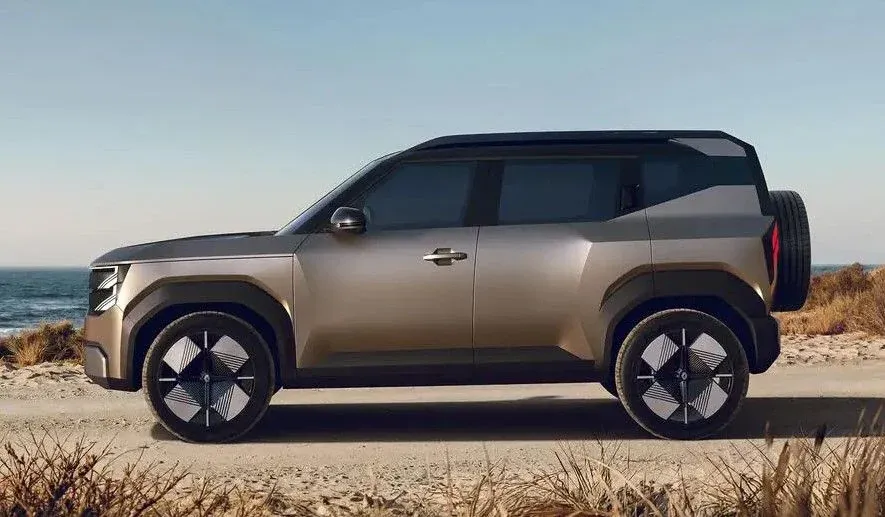
If it does make its way to the old continent, this model will directly compete in its segment against rivals with very similar designs, such as the Renault 4, Citroën ë-C3, and Fiat Grande Panda Electric. This addition would help strengthen Dacia’s electric lineup, a brand that is currently lagging behind other Renault Group manufacturers in terms of emissions due to its limited range of fully electric models.
As of now, there is no information available regarding its mechanical specifications, but we can speculate that Dacia will adopt the system used in the Renault 4 E-TECH, featuring an engine with 120 to 150 horsepower and a 52 kWh battery, sufficient to achieve 400 km of WLTP range.
The challenge for Dacia will be to offer an electric R4 that is cheaper and more attractive, as simply swapping in an electric powertrain is not enough, as the new Dacia Spring has shown compared to the Renault Twingo.
The Renault 4 in its entry-level version achieves a range of 314 km and costs 30,305 euros, before any discounts or promotions. The version with the longest range reaches 412 km WLTP and starts at 33,305 euros. These figures are benchmarks that Dacia aims to improve upon to make its offering more competitive.
The company’s future plans for this decade include introducing four electric vehicles by 2030. The Dacia Spring, Sandero, and Sandero Stepway are already officially part of this lineup, with the fourth member that will complete this sustainable family yet to be officially confirmed in the coming years.
Internal sources indicate that a modified version of the Bridger produced in Europe is one of the main candidates to fill that vacant spot in the range. At last year’s Paris Motor Show, Renault Group executives hinted at this possibility, stating that the vehicle was initially designed for India but could potentially find its way to other international markets in the future.