
The CUPRA Born will be replaced by an electric Leon: the popular compact model will survive even if SEAT disappears
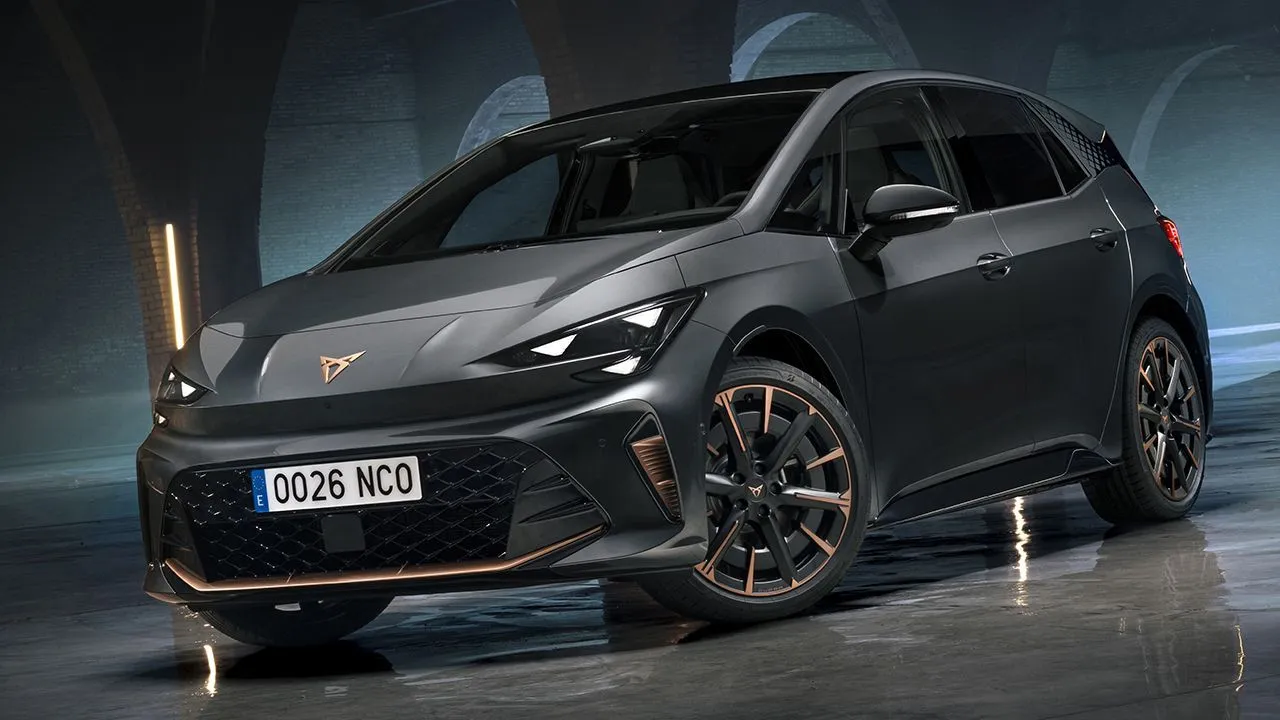
Three years ago, Wayne Griffiths, former CEO of SEAT S.A., confirmed that the next generations of the CUPRA León and Formentor would be electric. Although none of these models have a release date yet (they are likely tied to the upcoming Volkswagen ID. Golf and ID. Roc, which will arrive by the end of the decade), the fact that the executive confirmed the León would remain part of the CUPRA lineup is quite significant.
When CUPRA separated from SEAT in 2018 to become an independent brand, it started with a product from its parent company, the Ateca. Later, another model shared between the two brands was added, the fourth-generation León. Although SEAT and CUPRA’s ranges are now practically completely separate, they still share the León.
In recent weeks, it has been officially reported that Volkswagen Group is considering discontinuing SEAT to focus on CUPRA. In this context, it would not be surprising if the Leon were continued under another brand, as it is a very popular model that has been one of SEAT S.A.’s top sellers for years.
Therefore, everything suggests that the electric Leon will replace both the conventional Leon and the Born, the current electric model from the Spanish brand in the C-segment (compacts). This move will allow the company to retain a well-established and widely recognized brand name.
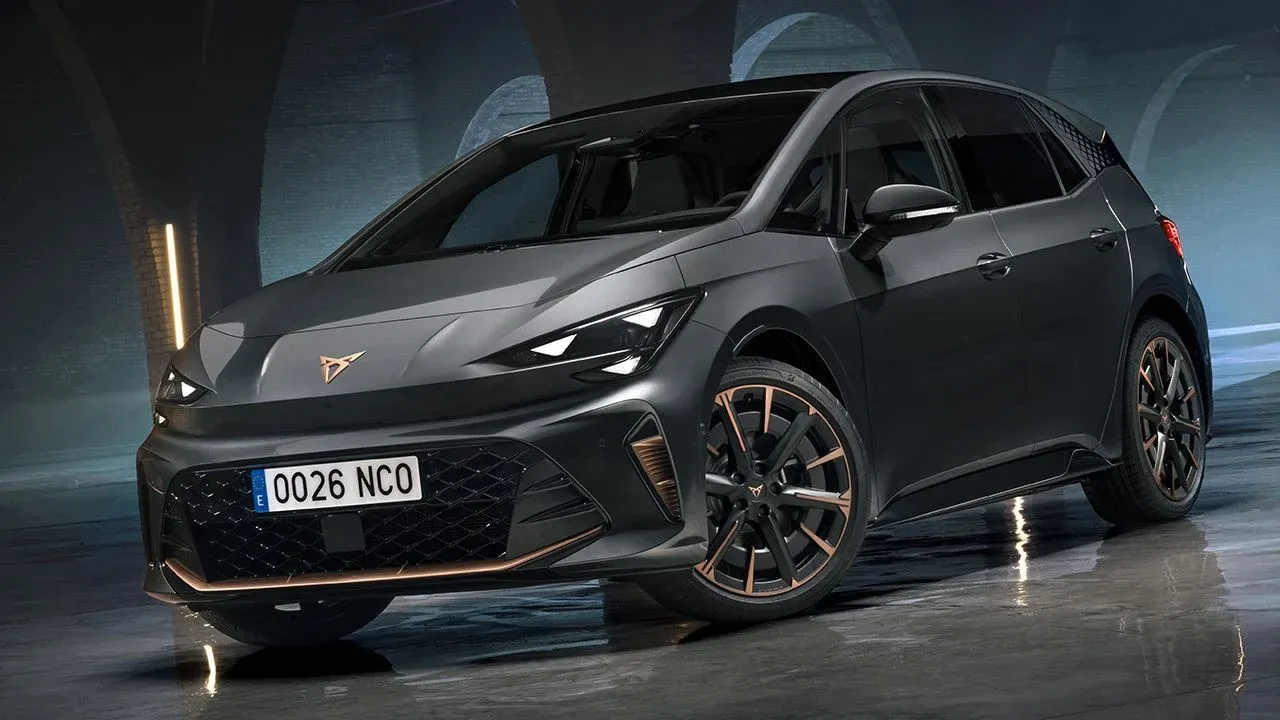
The current CUPRA Born is one of the electric compact cars with the longest range on the market.
The electric CUPRA León and Formentor will be based on Volkswagen Group’s modular SSP platform, the same one that will underpin the future CUPRA Tindaya, which is set to replace the Tavascan as the brand’s flagship model. This next-generation architecture will feature advancements such as an 800-volt system compatible with ultra-fast charging; it will also be defined by software.
We can expect significant improvements in areas such as range (the current Born Endurance achieves up to 625 km WLTP, one of the best figures in its class) or driving assistants, as well as a more competitive price (the base Born model, equipped with a 190 CV engine and a 59 kWh battery, starts at 38,000 euros before subsidies, practically matching the price of the Tavascan, which sits one tier above it in the Spanish manufacturer’s lineup).
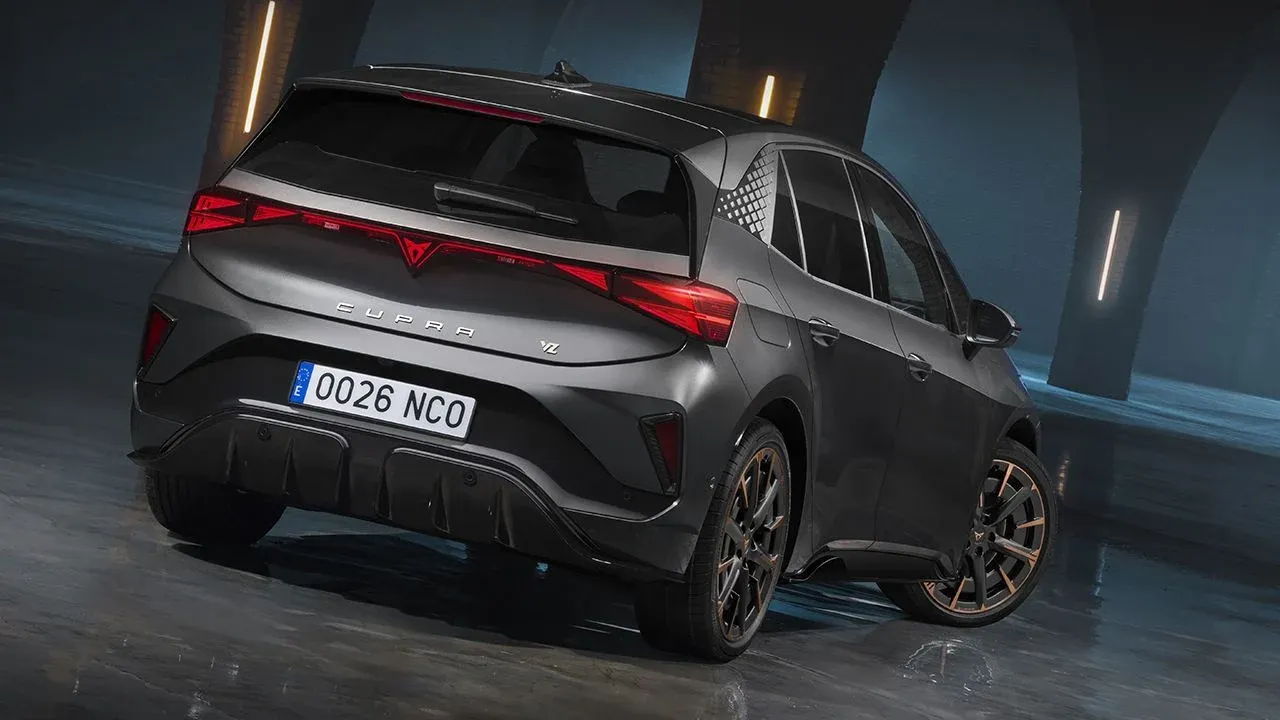
It remains to be seen what will happen with SEAT’s other major model, the Ibiza. While this SUV remains one of the best-selling cars in Spain, it’s also true that its electric counterpart, the new CUPRA Raval, has received over 51,000 orders since its launch in April. Will we see a CUPRA Ibiza in the future? Likely, it all depends on SEAT’s survival.