
The harsh report that scares auto repair shops: 200,000 euros to adapt to electric cars, which means they earn less money.
28/10/2026 17:00
Updated to
28/10/2026 17:00
Electric vehicles are transforming the European auto repair industry, not necessarily because they require more repairs. A Solera study shows that their regular maintenance can cost 68% less than that of gasoline cars, offering significant savings for drivers but also reducing income from certain services. Meanwhile, a European Commission report indicates that adapting a standard repair shop to work on electric vehicles may require investments of up to 200,000 euros. This combination poses a major challenge for the repair sector.
Electric vehicles need less maintenance, resulting in lower revenues for shops
The explanation lies in the mechanical differences between a gasoline car and a fully electric one. Battery-powered vehicles (BEVs) eliminate numerous components that require regular maintenance or are prone to failure, such as exhaust systems, timing belts, fuel injectors, or engine oil changes.
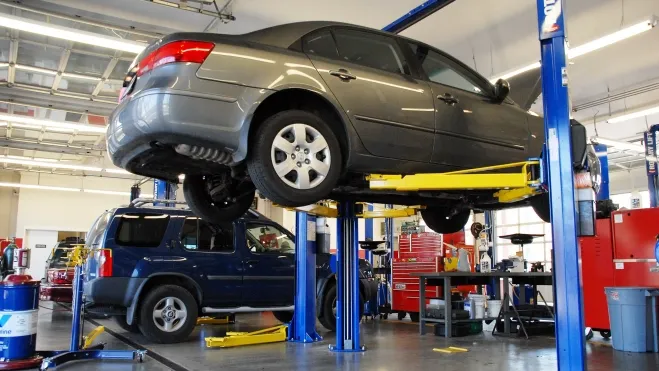
According to a Solera analysis using data from Spain in 2024, scheduled maintenance for an electric vehicle is 68% cheaper than that for a gasoline car.
The difference narrows down when considering the overall set of maintenance and repair operations. In that case, the average annual cost is 368 euros for electric vehicles compared to 513 euros for combustion engines, which is approximately a 28% reduction.
There are also exceptions, such as higher costs for tires on certain models or expensive repairs that may affect the batteries.
Up to 200,000 euros to adapt a certified workshop
Paradoxically, as certain operations become less costly, workshops need to invest in order to properly service new vehicles.
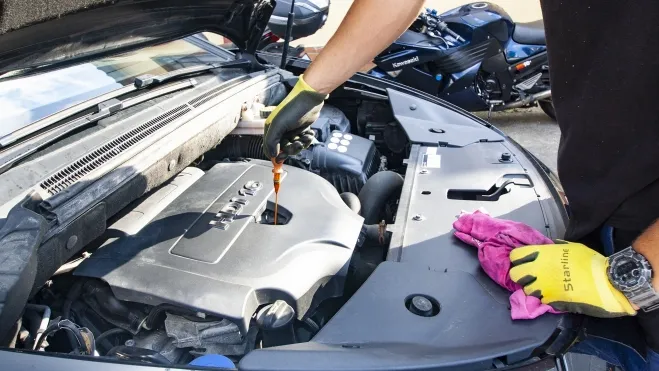
A study by CLEPA and Roland Berger, cited by the European Commission’s Joint Research Centre, estimates that upgrading the facilities of an official workshop could cost up to 200,000 euros. This figure includes investments in tools, specialized training, and equipment for working with high-voltage electrical systems.
This does not mean that all workshops need to spend that amount. It is a maximum estimate for certain official facilities, while independent centers may incur lower costs depending on the services they wish to offer.
Official dealers handle most electric vehicle repairs
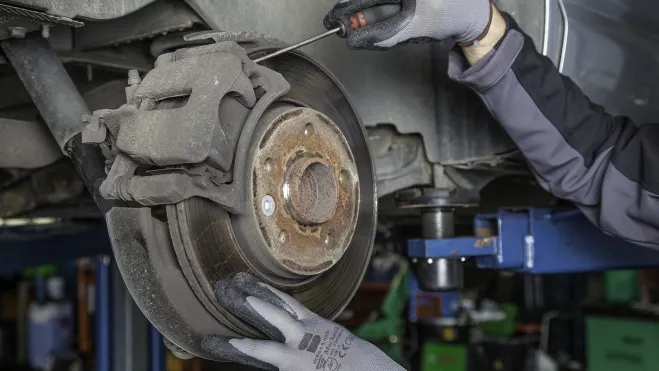
The shift is also changing where drivers take their vehicles for maintenance. According to data from a European report, 83.7% of maintenance visits for electric vehicles are done at official workshops, compared to 40.4% for conventional cars.
This difference is partly due to electric vehicles still being relatively new, with many still within their warranty periods.
Independent workshops thus face a dual challenge: investing in new technical skills and competing for business that is initially concentrated within official networks.
In addition, access to technical information and vehicle data is becoming an increasingly important factor. For Spain, where independent workshops play a significant role, this transition may require substantial changes in training, equipment, and services.
Electrification does not mean that workshops will disappear. Repairs to suspensions, steering systems, tires, bodywork, and electronic systems will still be needed. However, their operations will have to adapt to vehicles that require fewer traditional mechanical interventions and increasingly specialized expertise.