
Fuel is approaching 3 euros per liter in Europe: here’s how it compares to using an electric car
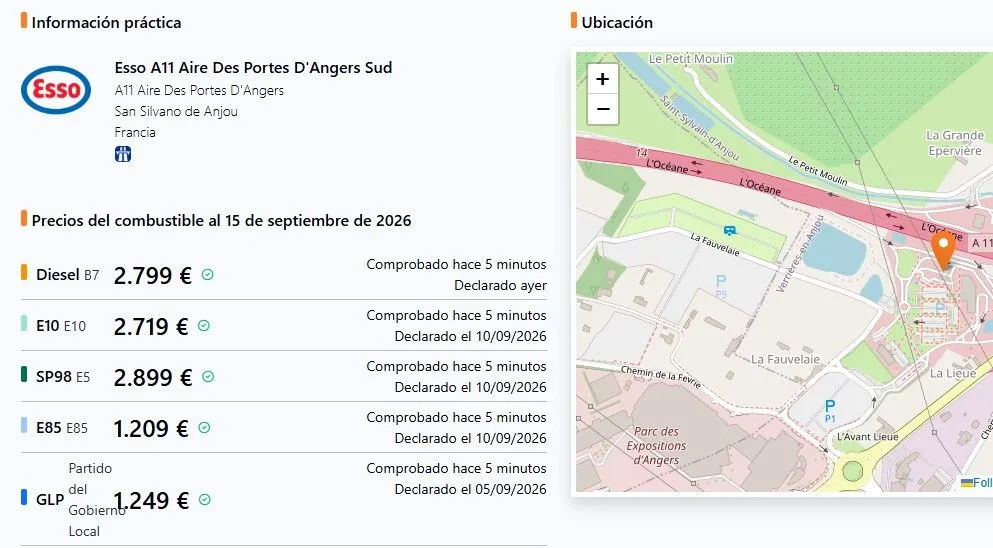
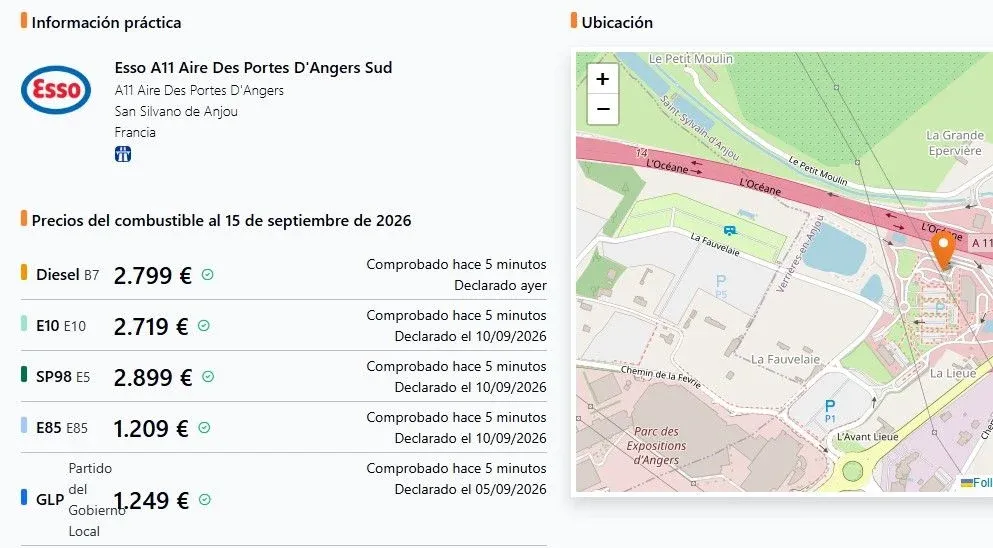
If someone were to show a photo today of a French gas pump displaying almost 3 euros per liter, many might think it’s a manipulated image. Yet the price is real. At a gas station on highway A11 in the Portes d'Angers Sud area, a liter of SP98 gasoline reached 2.89 euros on Monday, the 14th, while diesel cost 2.79 euros and E10 gasoline 2.71 euros.
The figure is particularly striking because it means being just 10.1 cents away from the psychological barrier of 3 euros per liter. Filling a 50-liter tank with SP98 would cost 144.95 euros, an amount that not too long ago would have seemed utterly absurd. And precisely for this reason, some photographs taken by drivers in front of gas stations have sparked comments on social media questioning whether they were genuine or generated using artificial intelligence.
This is not an issue unique to this service station. Gas stations along French highways have long been known for their higher prices compared to those outside major roads, but the current levels are once again bringing this problem to the forefront. On the A11 itself, for example, other stations in the Parcé-sur-Sarthe area are also approaching 2.80 euros per liter of diesel.
The highway drives fuel prices even higher
The reason why prices are so high in these locations is no mystery. Highway service stations incur higher costs due to their location and continuous operation, and they also have a captive audience that often needs to refuel before continuing their journey. This allows them to maintain a significant price gap compared to gas stations located outside major roads.
Oil Prices Soar Again Amid International Tensions
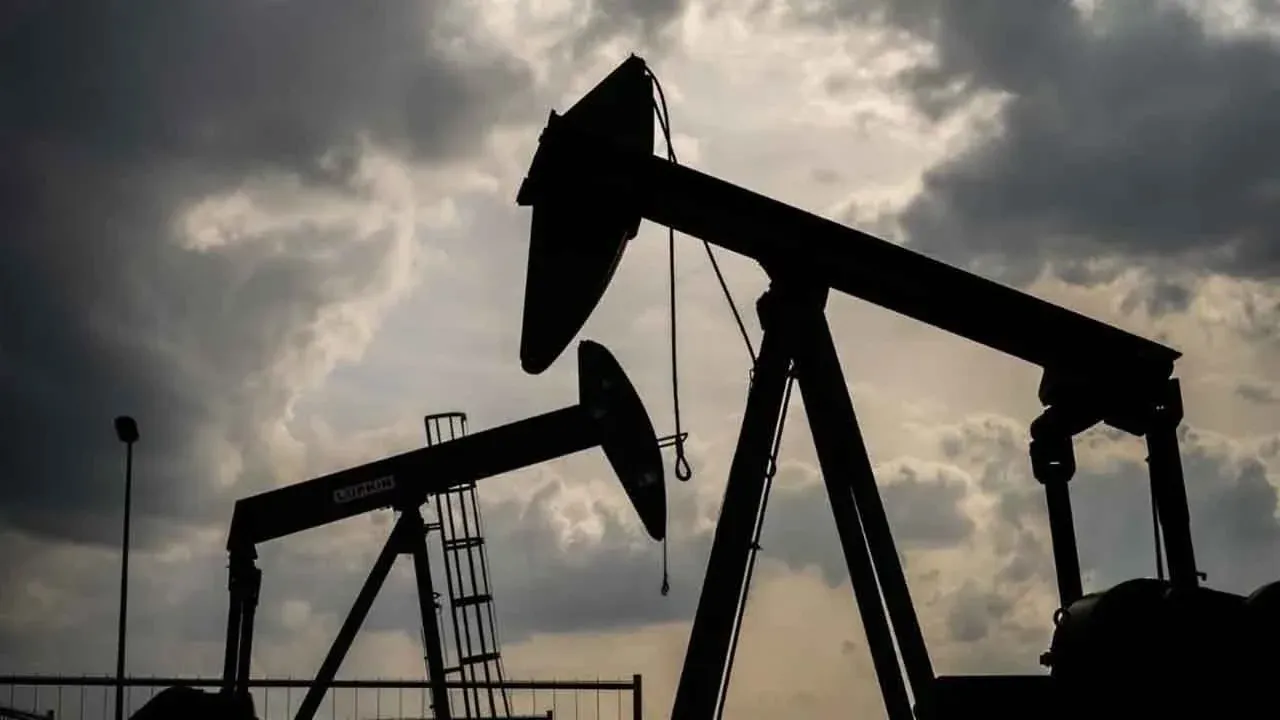
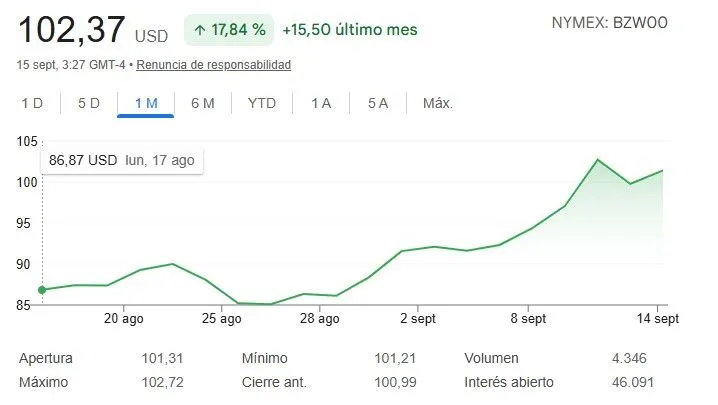
Behind this new escalation is a much bigger problem than the price of a specific refinery. Oil has once again clearly surpassed $100 per barrel, with Brent approaching $110, in a market increasingly influenced by the situation in the Middle East.
One of the main sources of tension is in the Red Sea and Bab el-Mandeb Strait area. Attacks on oil-related ships and infrastructure are forcing changes to shipping routes and increasing the costs of maritime transport. At the same time, problems with certain oil infrastructure have added even more uncertainty to the market.
All of this eventually makes its way to gas stations, albeit with some delay. When oil and transportation costs rise, the wholesale price of fuel reflects that increase. The problem for drivers is that price drops usually take longer to reach gas stations than rises, especially when the market is in such a state of uncertainty.
The difference compared to electric cars is already huge
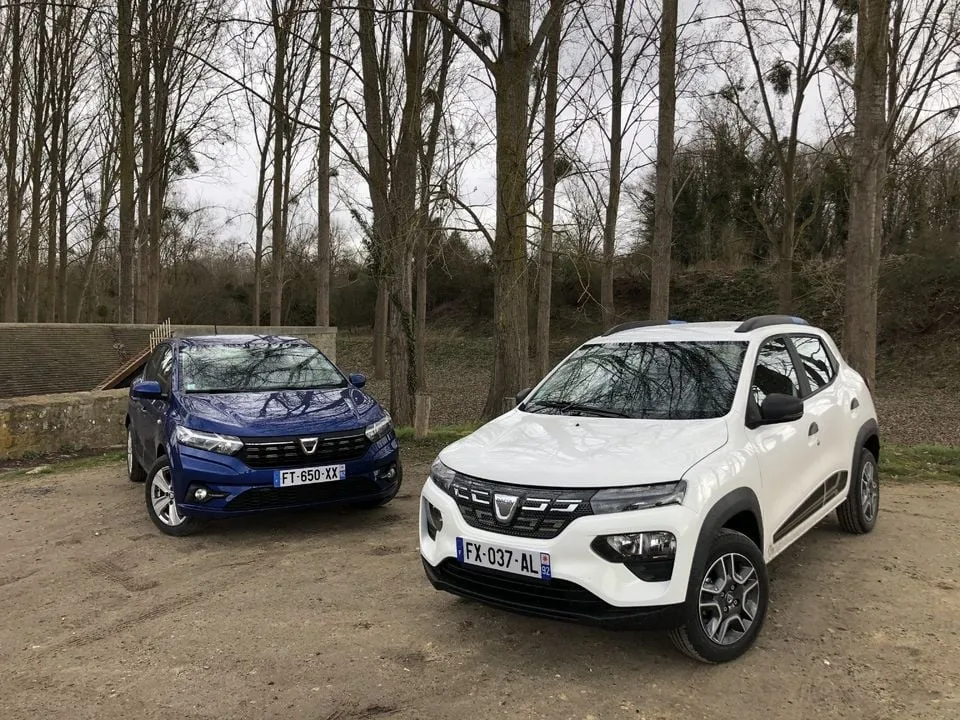
There’s a simple way to put these figures in perspective. Using as a reference an electric car with an average consumption of 16 kWh per 100 km and a price of 0.19 euros per kWh including taxes (the average price in France), driving 100 kilometers costs only about 3.04 euros. For a driver who travels 15,000 kilometers per year, the energy cost would be around 456 euros. This figure can vary depending on actual consumption, but it helps give a clear idea of the difference compared to fossil fuels.
The comparison becomes even more striking when using the prices mentioned in this article. A diesel car that consumes 5 liters per 100 kilometers would need 14.10 euros to travel 100 kilometers if it refuels at 2.81 euros per liter. Over 15,000 kilometers per year, the cost would amount to about 2,114 euros. For a gasoline car with a consumption of 6 liters per 100 kilometers and a price of 2.89 euros per liter, the cost would rise to 17.39 euros per 100 kilometers and 2,609 euros per year.
This means that, at these prices, the electric car would result in an annual energy savings of approximately 1,658 euros compared to diesel and 2,153 euros compared to gasoline, all considering only the energy cost and assuming charging at the usual rate of 19 cents per kWh. The difference is large enough that a temporary rise in oil prices has a significantly different impact on the wallet of an electric car driver.
And here is one of the arguments that gains strength again when oil prices soar. An electric car isn’t completely insulated from energy costs, but it allows a significant portion of the uncertainty associated with oil to be replaced by a much more stable electricity cost, especially for those who can charge at home. Additionally, in this specific example, driving 15,000 kilometers per year on electricity would cost less than a quarter of what it would cost with a 6-liter gasoline car.
Gasoline becomes a social problem once more
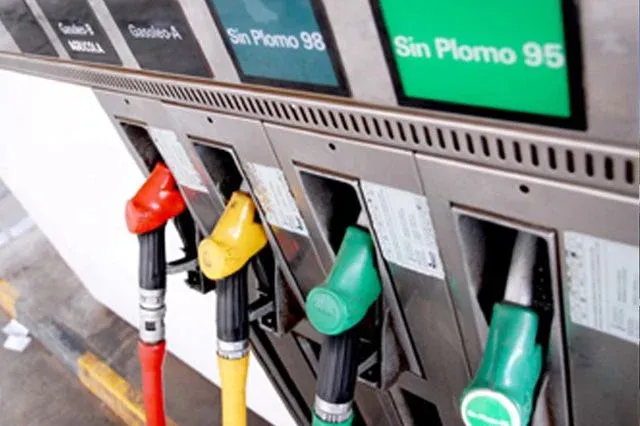
The rising cost of fuel is now affecting far more than just drivers who make long trips. For millions of people who rely on cars to get to work daily, take children to school, or simply live outside major urban areas, fuel prices directly translate into higher living costs.
This situation is once again giving rise to a phenomenon that inevitably reminds people of 2018. In recent weeks, calls have begun circulating on French social media to revive the Yellow Vests movement and organize protests on October 17th. This date appears increasingly often in videos and messages posted on social media.
For drivers who have no alternative but to use a car, the immediate options are quite limited. Comparing prices and avoiding highway rest stops can save a significant amount of money, but it doesn’t address the underlying issue. For those who can make the switch, electric cars once again emerge as a way to reduce exposure to fluctuations in oil prices, especially when there’s a home charger available and electricity can be charged at a reasonable cost.
The big question is how far this escalation will go. While seeing a gas pump priced at 2.89 euros per liter may still seem like an exception, just a few years ago it would have seemed completely impossible. And if oil prices remain above 100 dollars, the 3 euros mark might stop being a surprising sight on social media and become the next symbol of an energy crisis that still doesn’t seem to have reached its peak.