
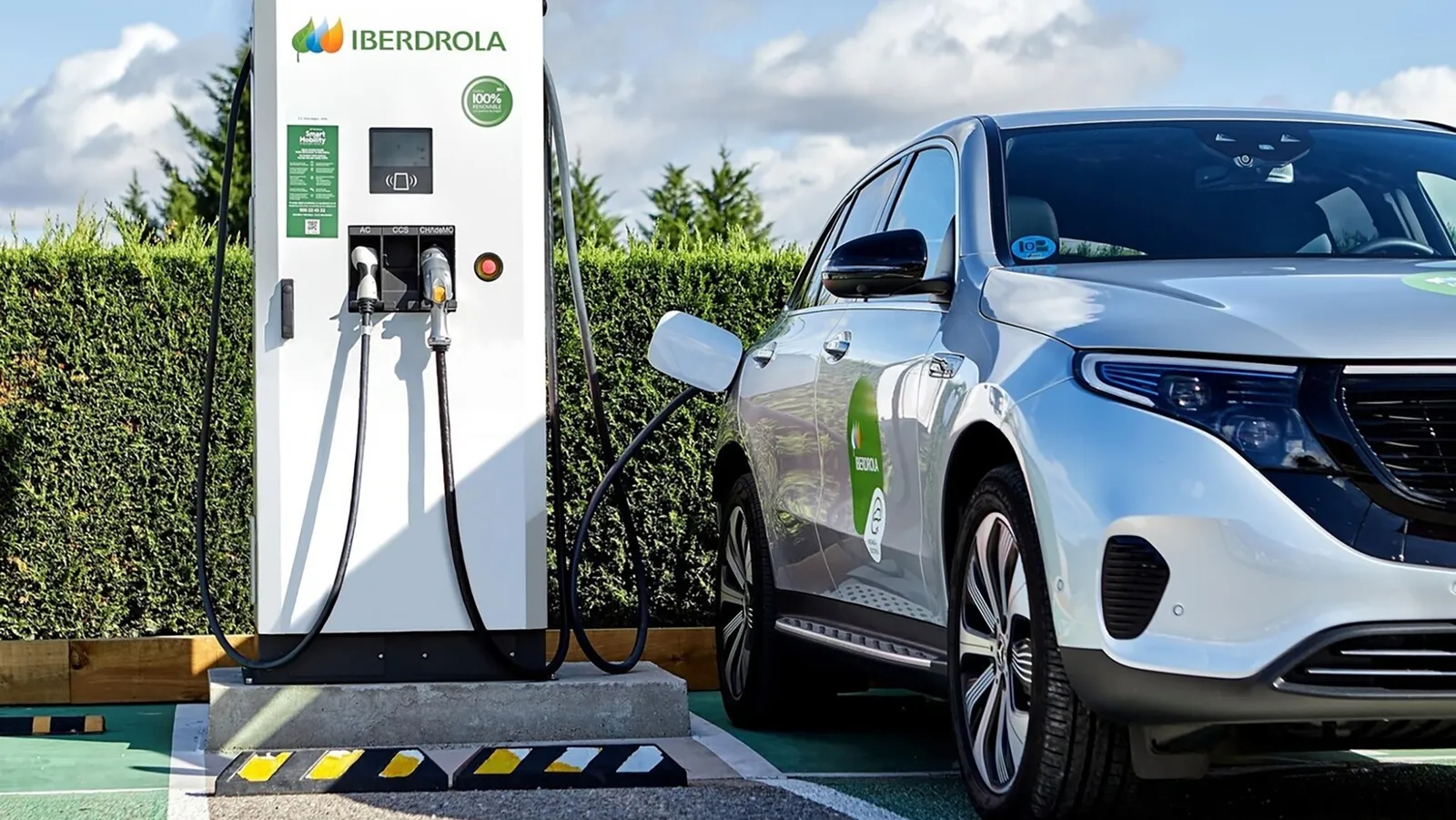
Electric cars still face a problem in Spain, and the government wants to address it: finding a charger cannot depend on luck.
19/09/2026 11:00
Updated to
19/09/2026 11:00
Europe wants driving its main roads on electric vehicles to no longer rely on accidentally finding a fast charging station. The AFIR Regulation sets maximum charging intervals of 60 kilometers for the core network of RTE-T, and starting from late 2025, it requires each interval to have a combined capacity of at least 400 kW along with at least one 150 kW charging point. By 2027, the minimum combined capacity will increase to 600 kW.
Spain has just submitted a roadmap outlining its plans to adapt its infrastructure to this scenario. The government has forwarded the new National Action Framework (NAF) to the European Commission and is holding a public consultation until October 2, 2026, during which individuals, companies, and organizations can submit comments on the document.
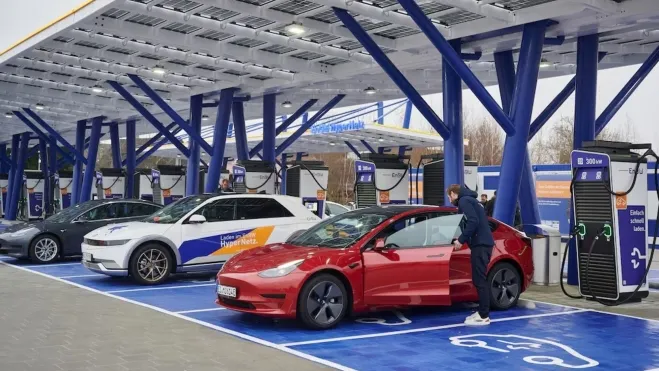
The main roads take center stage
The deployment will not be limited to highways and motorways either. Parking lots in non-residential buildings with more than 20 spaces must have a charging station for every 40 spaces, while buildings under the Ministry of the Interior will need to double this ratio to one station per 20 spaces. Municipalities with more than 50,000 inhabitants must also set annual installation targets related to their Low Emission Zones.
The Ministry of the Interior also aims to make it easier to locate existing stations. The national REVE map already displays real-time information on the availability and price of around 44,700 charging points, while specific signage is being installed along the national road network to indicate where the stations are and their distance from the roads.
Spain has over 42,000 charging points, but the current challenge lies in power and coverage.
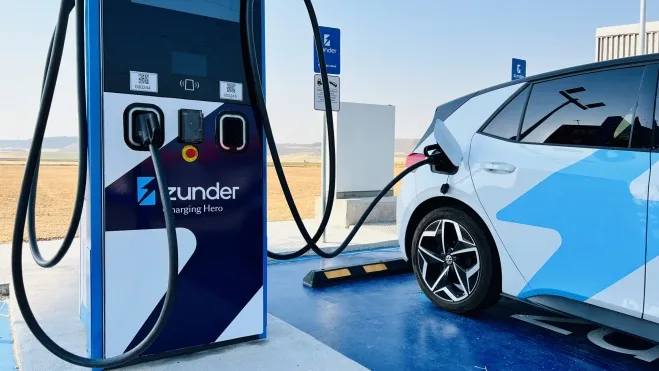
The Spanish network currently has 42,318 public charging points, with a combined nominal capacity of 2,269 MW. According to MITECO data, the installed power per electric light vehicle is 2.66 times higher than the minimum requirement set by current European regulations, so the next step is no longer simply to increase the absolute number of chargers.
Mario himself is now focusing on expanding high-capacity charging and better covering the main routes ahead of the expected growth in the electrified vehicle fleet. The PNIEC sets a target of 5.5 million electrified vehicles across all categories by 2030, a scenario that will require infrastructure development not only in terms of quantity but also in capacity and geographic coverage.