
Electric cars raise doubts: only 8% of European drivers would buy a zero-emission vehicle
20/09/2026 10:00
Updated to
20/09/2026 10:00
The future of the automotive world appears to lie in electric vehicles, but while regulations are driving this change and manufacturers are following that path, another question remains: what do drivers think about it? A survey published by CLEPA shows that they are not very enthusiastic about electric cars. Although consumers do not reject them, the data indicate a much more varied preference among different propulsion technologies.
The study gathered responses from 5,221 adults in France, Germany, Italy, Poland, and Spain—five markets that together account for over 70% of the European Union’s automotive market. What stands out most is their intention to purchase such vehicles.
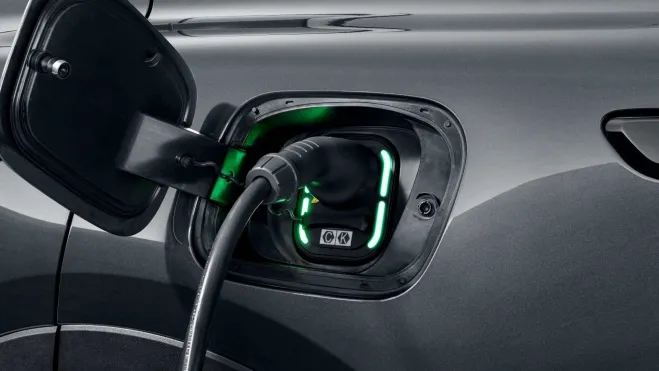
Few drivers want an electric car as their next vehicle
The negative trend is clear: only 8% of respondents said their next car would be a battery-powered electric vehicle. Conventional hybrids generate more interest in almost all the countries analyzed, with Germany being the only exception—there 14% prefer a pure electric car, compared to 13% who would choose a hybrid.
The survey also shows that consumers do not seem to favor a single technology to replace internal combustion engines. In fact, 47% believe it is better to encourage low- or zero-emission vehicles rather than banning certain technologies. Another 22% think the European Union should not interfere in the automotive market, while only 17% support a technological ban.
This caution is largely tied to the conditions necessary for electric vehicles to become a dominant option: 75% of respondents believe their country is not yet ready for full electrification. Among the main obstacles are two factors directly related to the cost and daily use of cars: the lack of charging infrastructure and vehicle prices, both cited by 46% of respondents, followed by rising energy costs, mentioned by 37%.
The situation is still not ideal
Nevertheless, this does not mean there is a widespread rejection of electric cars, as the study itself shows that consumers are willing to use cleaner technologies, although current conditions influence their decisions. The difference between wanting mobility with lower emissions and being ready to purchase an electric vehicle immediately (an option favored by only 8% of respondents) is key to understanding the market situation.
Benjamin Krieger, CLEPA’s secretary general, said in response to the results: “The survey indicates a disconnect between the political decisions made in Brussels and the reality faced by European citizens.” The study makes it clear that the core issue is no longer merely whether electric cars will play a leading role in the short to medium term, but rather how to organize the transition toward a fleet composed mainly of zero-emission vehicles.
"Citizens want to drive cleaner vehicles, including electric ones, but the de facto ban on hybrids and alternative fuels drastically limits their options. The upcoming review of CO2 regulations presents an opportunity to adjust the pace of transitioning to this reality, giving the industry the flexibility it needs and allowing consumers to choose the clean technologies they truly desire," he concludes.