
Electric cars require another type of insurance: how to adjust your policies for new mobility
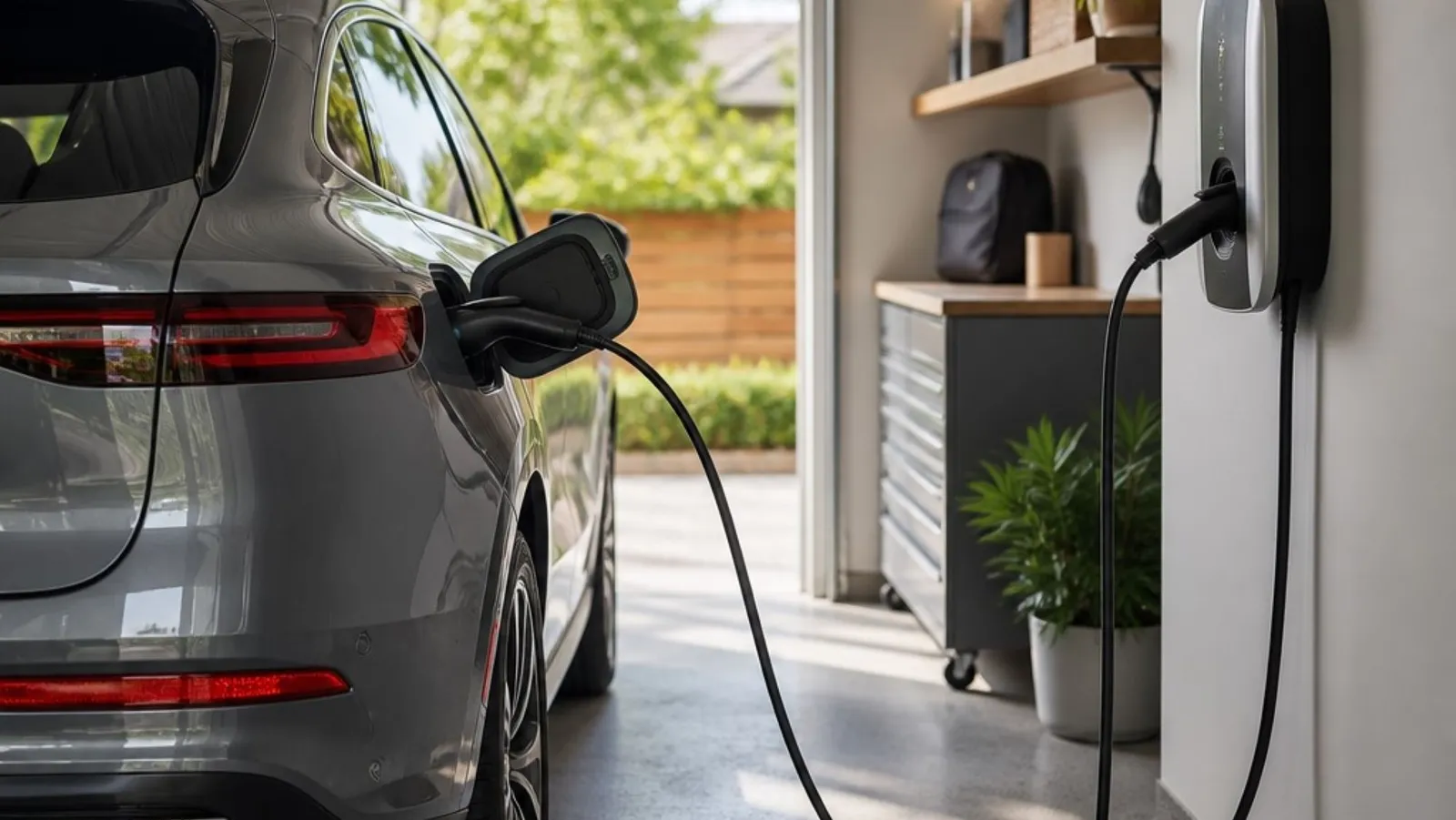
Buying a hybrid or electric vehicle often brings excitement: fewer emissions, less noise, traffic advantages, and the feeling of taking a step forward. However, there is one aspect that is frequently rushed through or taken for granted: insurance. Insuring an electric car doesn’t mean simply applying the same terms we had with a gasoline vehicle.
Traditional car insurance was developed with thermal engines and relatively simple mechanics in mind. Today, we’re dealing with connected cars, high-value batteries, charging cables that follow us everywhere, and charging stations installed in homes, community garages, and businesses. All of this introduces new risks and, at the same time, opens the door to insurance solutions that many drivers are still unaware of.
From a professional perspective, it’s important to remember that insurance protection must evolve at the same pace as the realities of the insured. It’s not enough to purchase a policy at the time of buying a vehicle and then forget about it. Changes such as moving to a new address, installing a charging station, altering driving habits, or using the vehicle for work purposes are all factors that should be reviewed in our policy’s coverage.
In the case of hybrid and electric vehicles, the market already offers specific protections that go beyond traditional coverage for “collision damage” and “theft.” Some of the most important include:
Coverages focused on the traction battery, one of the vehicle’s most valuable components with its own unique characteristics.
Protection for the charging cable against theft or accidental damage, whether on public roads or in parking lots or workplaces.
Inclusion of the home charging station as an insured asset, covering electrical damage, fire, or even theft, depending on the policy terms.
Travel assistance tailored for electric vehicles, including support in case of a dead battery and transportation to an appropriate charging location.
Extensions of civil liability coverage related to charging installations, especially when they are located in community garages or business environments.
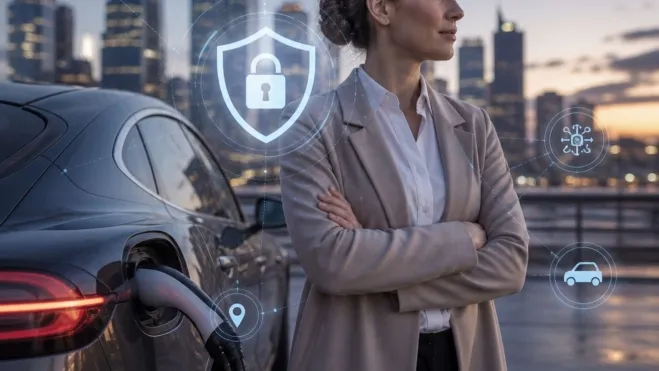
In addition, there is an increasingly important aspect: cybersecurity. Vehicles that can be unlocked and started using mobile apps, systems that allow remote charging scheduling, charging stations connected to the network...
Although it is still rare to find the term “cyberattack” highlighted in an auto policy, protections against some of its consequences are being included: vehicle theft through electronic methods, damage caused by tampering with charging systems, or enhanced protection for electronic components.
These specific protections can be integrated in various ways:
Through auto insurance designed for hybrids and electric vehicles, which explicitly detail the coverage for the battery, cables, and charging assistance.
By means of new versions of home insurance that consider the charging station as part of the home’s installation, with clear coverage for damages and liability.
They are supplemented by digital protection and cybersecurity modules for individuals, which provide services in response to technical incidents and frauds.
The challenge for users is that none of this is automatic or uniform across all policies or companies. Not all policies include the same coverages or with the same limits, and it is common for policyholders to be unaware of the true scope of their protection.
Some policies cover home charging stations only if it is explicitly declared; others exclude them when they are located in common areas. In certain products, the charging cable is considered an accessory of the vehicle; in others, it is a separate item that must be described and valued. And in many cases, the terminology does not explicitly mention the connected vehicle, although in practice it still provides coverage through broader guarantees.
In such situations, a personal insurance advisor plays a crucial role. It’s not just about comparing prices; it also involves conducting an objective analysis of the client’s circumstances:
Where is the vehicle typically charged: at home, at work, or on public roads?
Is the charging station for exclusive use or located in a shared garage?
Who is listed as the owner of the charging setup?
Is the car used solely for personal purposes or also for business activities?
Based on these responses, the task involves reviewing existing policies—auto, home, and even some cyber protection insurance—and checking whether they align with the new risk landscape. Sometimes it’s sufficient to adjust coverage amounts or include a specific clause regarding charging stations; other times, it’s more effective to switch to an auto policy with guarantees specific to electric vehicles or strengthen the home insurance to ensure that home charging stations are fully covered. The key is to carry out this adjustment work in a preventive and planned manner.
The goal is not to cause alarm, but rather to provide solutions to the new challenges posed by electric mobility. It’s natural to have doubts: “What if my cable is stolen?” “What if the home charging station gets damaged?” “Am I covered if the vehicle or charger is electronically tampered with?” Having a professional who can respond thoroughly and turn these concerns into specific coverage options offers a sense of peace that’s hard to quantify… until an incident occurs.
In summary, ensuring coverage for a hybrid or electric vehicle means recognizing that it is a technological product that is connected and dependent on specific infrastructure. Attempting to protect it with policies designed for internal combustion engines is simply insufficient. A well-designed insurance program, regularly reviewed and aligned with the evolving mobility needs of the policyholder, is now a key factor for enjoying an electric vehicle with true confidence.