
Chinese cars are no longer intimidating in Spain: a study reveals the shift that established brands did not expect so soon
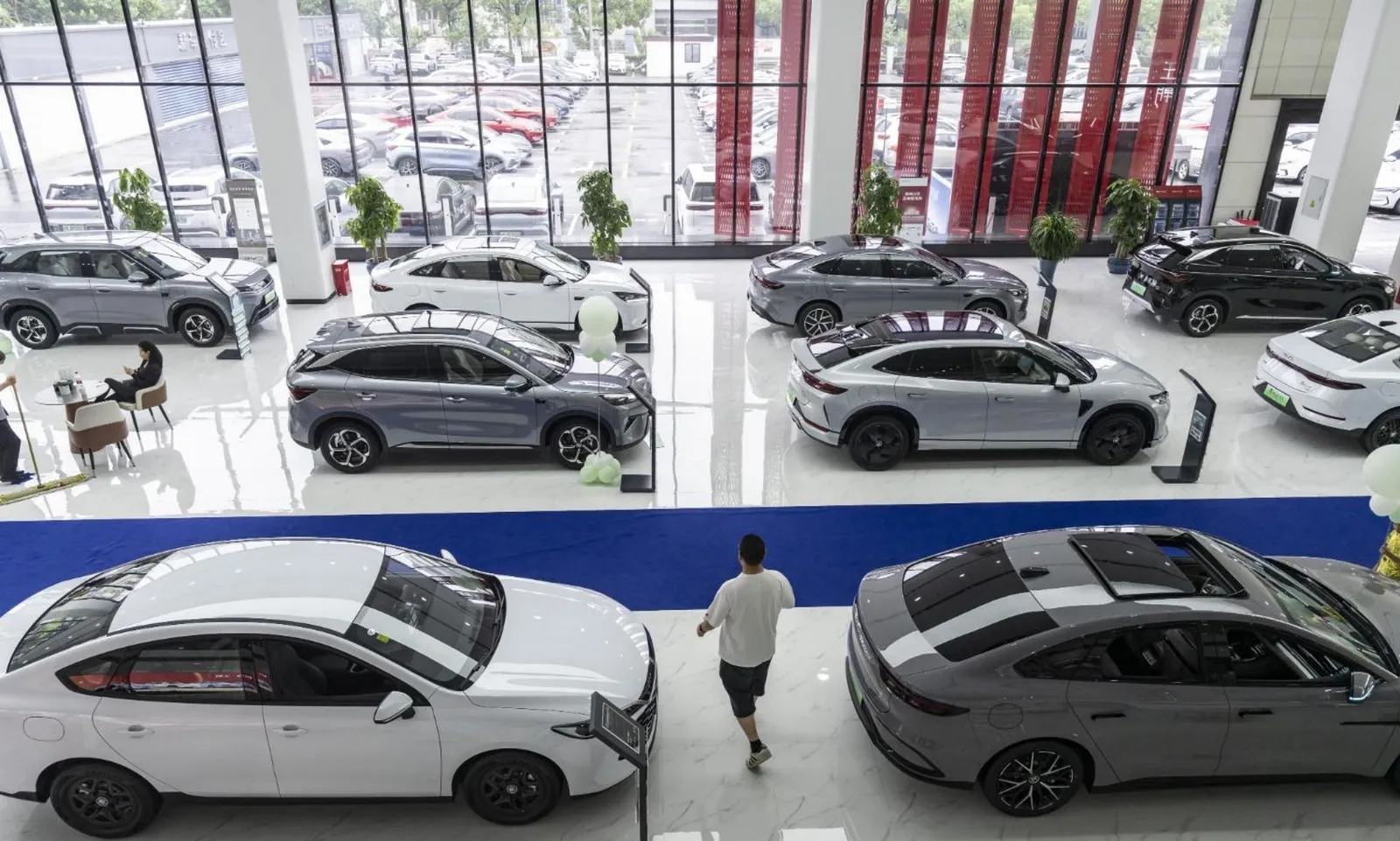
The brands that have traditionally topped the Spanish market are beginning to lose prominence in searches for new cars, although their sales performance still remains strong. Manufacturers such as Volkswagen, Hyundai, and Renault are seeing significant drops in consumer interest, while several companies linked to China are experiencing triple-digit growth in their search volume.
This trend is reflected in a study published by Carwow, which analyzes Spanish buyers’ preferences based on surveys and activity recorded on its vehicle comparison tool. One of its most notable findings is that 66% of respondents would be willing to buy a Chinese-brand car, up from 43% in March 2023—a 23 percentage point increase that coincides with a 22.9% decline in sales of mainstream traditional brands.
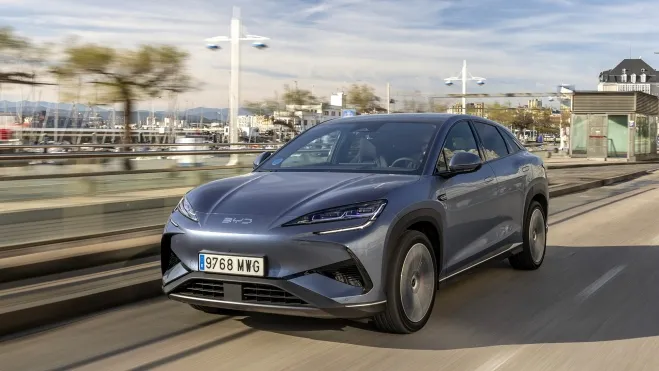
Volkswagen, Hyundai, and Renault lose ground as BYD closes in on Toyota
The decline in interest for established manufacturers is particularly evident when comparing the configurations created between January and July 2026 with those from the same period last year. Volkswagen saw a 43.7% drop, Hyundai experienced a 36.5% decline, and Renault lost 32.6%, while Toyota also saw a 15.8% decrease, though it remained the most searched brand on the platform with 111,289 configurations.
In this scenario, BYD has quickly taken second place behind the Japanese manufacturer, with 96,261 listings and an 8.6% share on Carwow, after seeing its activity increase by 47.9% compared to 2025. However, the highest percentage gains were seen by Leapmotor, a subsidiary of Stellantis, which grew by 292.9%, and Ebro, with a 143.8% increase, while Omoda saw a 40% rise. Mazda became the only brand outside this group to show improvement among the top 15 most searched, with a 7.5% increase.
Not all Chinese manufacturers are evolving in the same way, as MG experienced a 20.1% decline in its sales figures, although it still holds a prominent position among the most popular brands. Moreover, a drop in inquiries does not necessarily mean a decrease in sales, as demonstrated by Toyota, which ended 2025 at the top of private car registrations in Spain with 59,668 units and a market share of 10.98%, according to statistics from the comparison site.
66% of consumers are already considering buying a Chinese car, but after-sales service continues to raise concerns.
The shift in preferences is also evident when examining the overall configurations set on the platform, where Chinese brands accounted for approximately 29.7% of the total in June 2026, compared to 0.4% recorded in January 2023. Carwow attributes this trend to a supply of vehicles with competitive prices and advanced features, although its survey of over 1,000 respondents shows that there are still obstacles to turning this interest into actual purchase decisions.
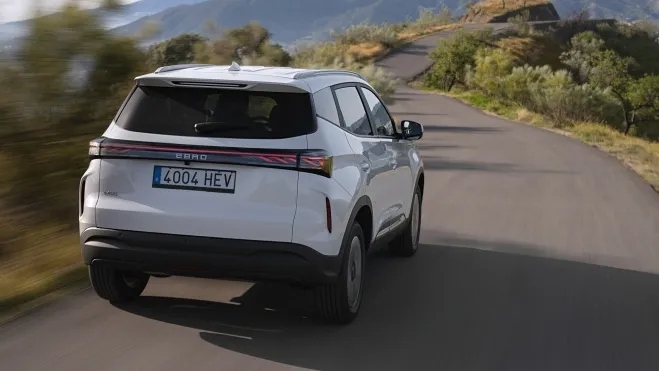
Among the main concerns for consumers is after-sales service, cited by 48% of respondents, followed by the perceived quality of vehicles, which worries 37%. This is compounded by a lack of awareness among some companies, as 34% of participants said they were unaware of Chinese brands available in Spain, a situation that reflects the challenges new manufacturers still face in establishing their commercial presence.
On the other hand, the increased presence of these brands coincides with the growing trend toward electrification in searches for new vehicles. Electric cars accounted for 29.2% of search queries in July 2026, up from 20.6% in the same month of 2025 and less than 10% at the beginning of 2023. Meanwhile, internal combustion engine models saw their share drop from 43.1% to 34.5% over the past year, while hybrids made up 36.3% of searches.
The results thus reflect a change in Carwow users’ preferences, although they cannot be directly extrapolated to overall Spanish sales since they stem from the activity of a specific platform. The trend in registrations and manufacturers’ ability to provide a sufficiently extensive network of maintenance, spare parts, and support will determine to what extent this increased interest translates into the broader market.