
The Citroën 2 CV returns with a revolutionary approach: electric, compact, and priced at around 15,000 euros.
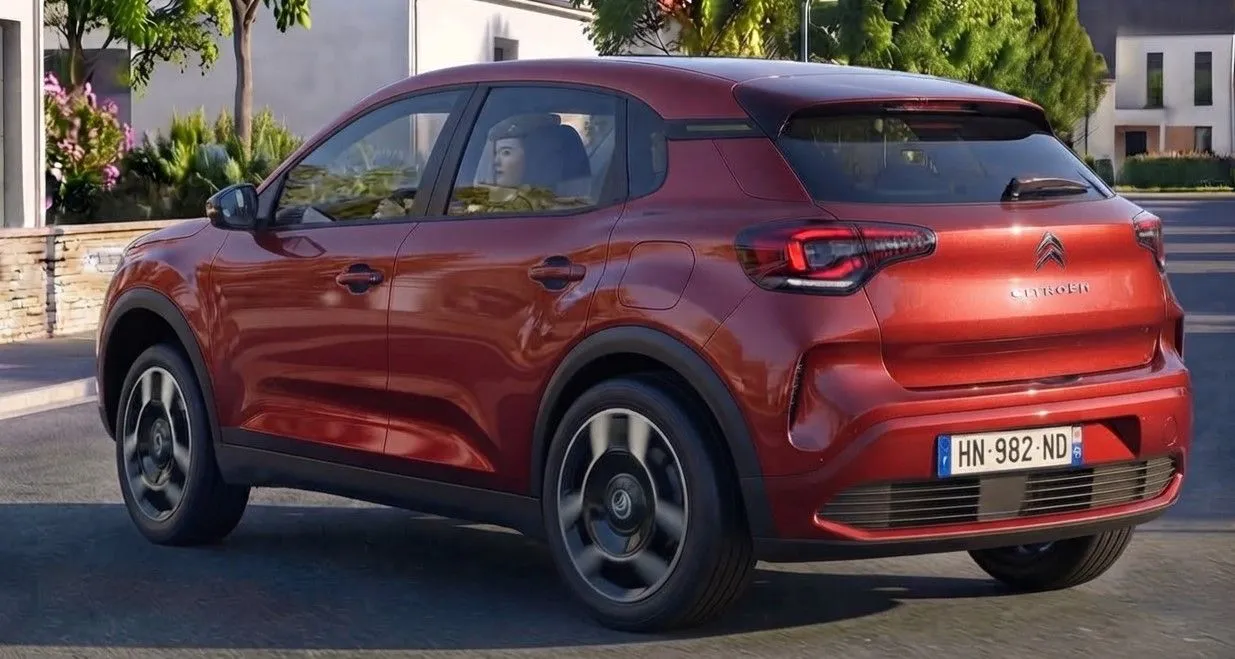
Citroën is preparing one of the most anticipated returns in recent years. The legendary 2 CV will return to the brand’s lineup, this time as a simple, affordable electric car designed to revive the spirit of the original model. It won’t let you cross a plowed field without breaking an egg, but Citroën aims to bring back the idea of a compact, functional, and economical car.
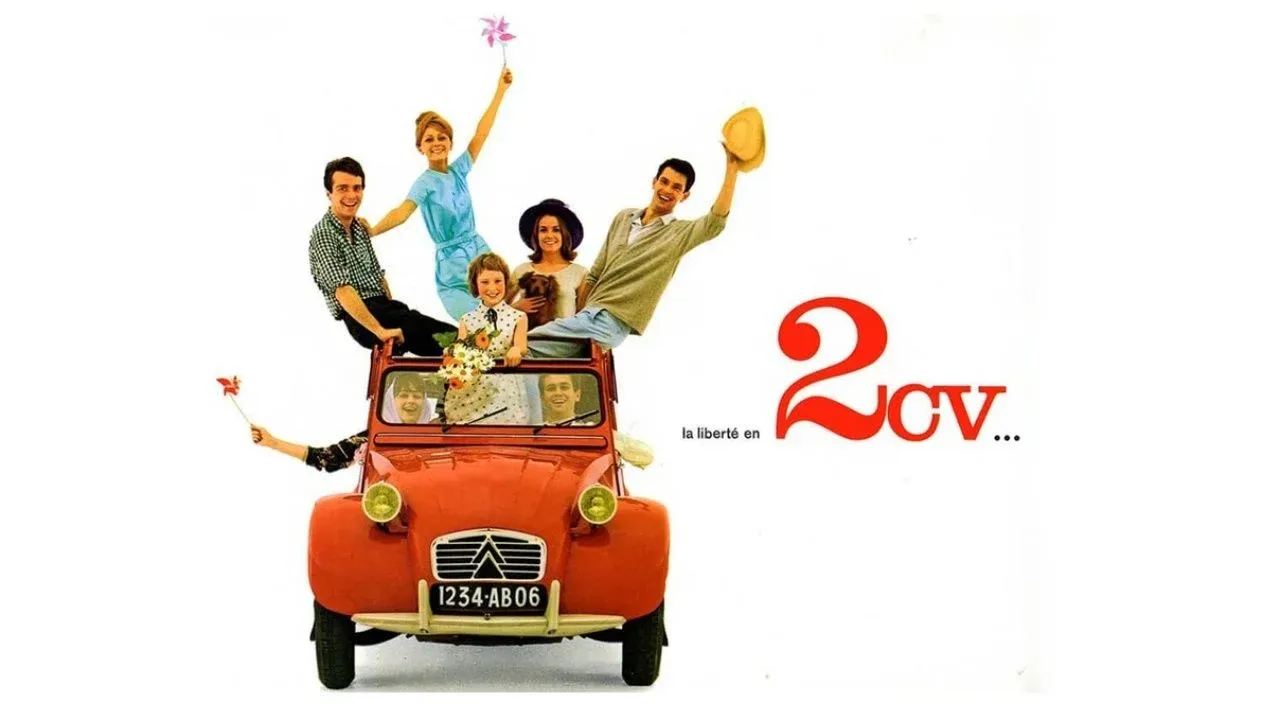
Since the Citroën 2 CV stopped being produced in 1990, there have been many rumors about a possible return. For years, Citroën avoided directly using some of its most iconic names, while other manufacturers brought back legendary models. Fiat did the same with the 500, MINI with the Cooper, Volkswagen with the Beetle, and Renault with models like the R5, R4, or Twingo. Now Citroën has finally decided to revive one of its greatest icons.
This decision is part of Stellantis’ FaSTLAne 2030 strategic plan and goes far beyond simply reviving a well-known name. The goal is not to create a modern replica of the 2 CV, but rather to reinterpret its philosophy of simplicity, practicality, and affordable pricing. That is precisely one of the key aspects of the project: using the appeal of a historic name to develop one of the most inexpensive electric cars in Stellantis’ future European lineup.
A 2 CV adapted for the 21st century
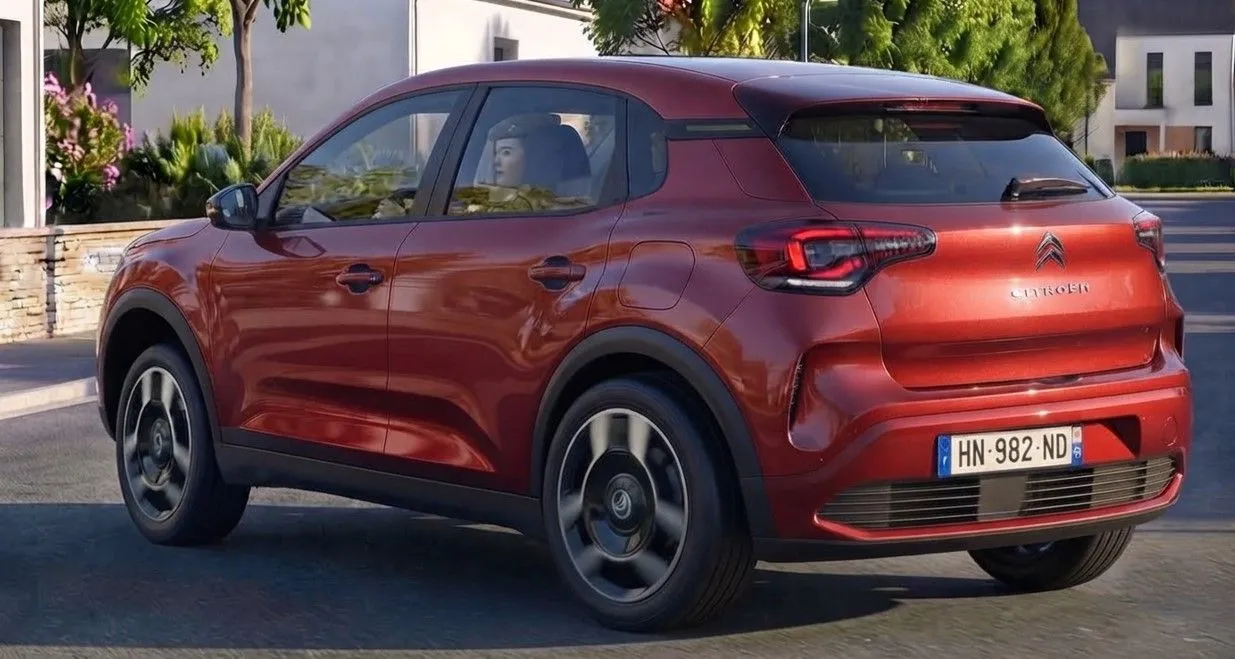
Restoring a model with such distinct character won’t be easy. The design will need to achieve something that isn’t always straightforward: to clearly recall the original while avoiding a mere retro copy. Early indications suggest a body with the rounded shapes characteristic of the 2 CV, a bulging hood, a curved roof, and prominent wheel arches. The lighting units will also aim to recreate the appearance of the original model’s round headlights, while the rear lights might reinterpret the square shapes of the classic version.
The result should be easily recognizable as a Citroën 2 CV, but with proportions adapted to current needs. In fact, size will be one of the key aspects of this project. The original model from 1948 was 3.78 meters long, and available information suggests the new 2 CV will be only slightly longer, thus maintaining very compact dimensions for easy city driving.
Few details about the interior are still known, though everything suggests a design that aligns with the project’s philosophy. The new Citroën 2 CV is expected to offer four seats and a decent sense of space despite its compact size. The cabin will feature a simple design, with minimal unnecessary elements and practical solutions. The goal is to revive some of the original 2 CV’s philosophy, which aimed to provide mobility without making the car overly complex.
Citroën may have an interesting opportunity here. In a market where cars have been growing in size, weight, and equipment, a small model that focuses on essentials rather than adding technology for its own sake can find its niche. The brand has already confirmed that this future model will aim for simpler, more practical, and more affordable electric mobility.
The new 2 CV will also be part of Stellantis’ future E-Cars family—a new generation of small, budget-friendly electric cars that will include other models from the group’s brands. These will include the future successor to the Fiat Panda and other models targeted at the entry-level segment. Production is planned in Italy, at Stellantis’ factory in Pomigliano d’Arco, allowing these models to be manufactured in Europe.
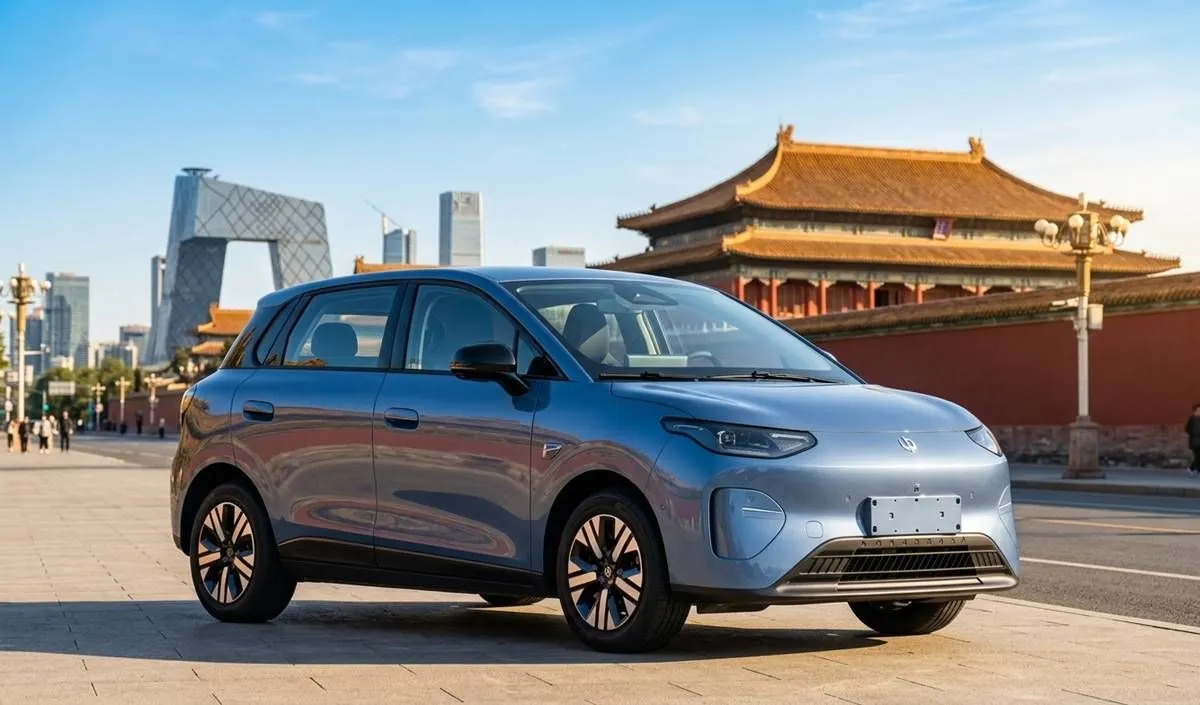
According to available information, the electronics might come from Chinese partner Leapmotor, while Stellantis would handle the chassis and components related to vehicle dynamics. This combination could reduce development and production costs in a segment that is particularly challenging for European manufacturers.
The strategy is also linked to the upcoming European M1E category, designed to facilitate the development of small electric cars manufactured in Europe at more affordable prices. The proposal still depends on how the regulations are ultimately defined, but the goal is to allow these models to reduce costs compared to conventional cars without compromising basic safety requirements.
This point will be especially important for the future Citroën 2 CV. One of the reasons why small cars have gradually disappeared from the European market is precisely the rising costs associated with safety, emissions, and technology requirements. An electric model just four meters long, with a relatively small battery and equipment focused on essentials, can be much more cost-effective if regulations allow for the simplification of certain elements.
For now, Citroën has not confirmed the final technical specifications. Available information suggests a single mechanical configuration with around 80 horsepower, though this figure should still be considered provisional. An LFP chemistry battery is also expected, as it is more cost-effective and suitable for a car of this type, with range potentially around 250 kilometers.
These figures align with the concept car that Citroën is developing, but we still need to wait to see the final details. For a vehicle of this nature, it wouldn’t make much sense to opt for a huge battery or hundreds of kilometers of range, as that would drive up the price. The goal should be the opposite: keep weight and costs under control to offer a small electric car suitable mainly for city use and surrounding areas.
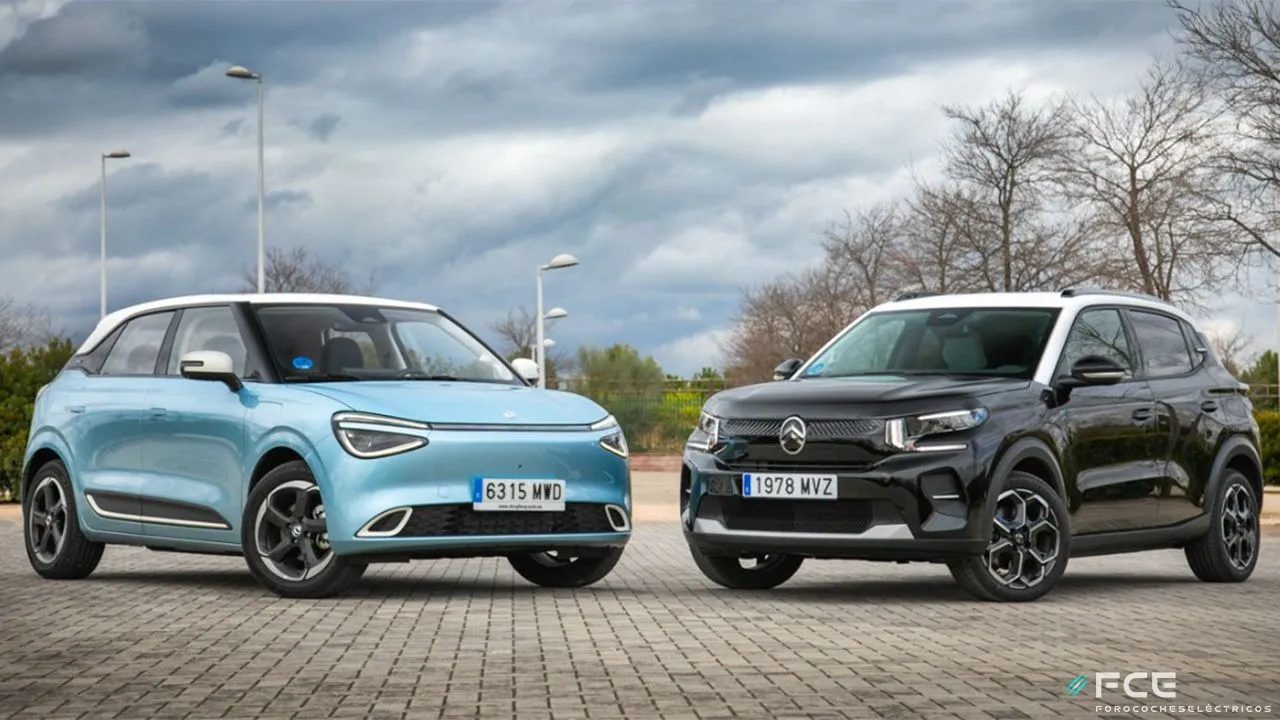
The big question will be exactly how much it will cost. Stellantis has already confirmed that its future electric cars will retail around 15,000 euros, a figure that is particularly striking in today’s European market. The latest reports suggest the upcoming Citroën 2 CV will fall below this price point, with an expected launch in 2028.
This date also carries significant symbolic weight. The new model would arrive approximately 80 years after the launch of the original 2 CV, which began selling in 1948. It will thus not be a mere exercise in nostalgia, but rather Citroën’s attempt to use one of its most recognizable names to address one of the major challenges facing electric cars today: making them accessible beyond those who can afford increasingly expensive models.
The concept will be unveiled at the Paris Motor Show in October 2026. It will then be time for Citroën to show, in much greater detail, how the brand envisions the return of the 2 CV. For now, the idea seems clear: a small, simple electric car manufactured in Europe with a target price of around 15,000 euros.
If Citroën manages to maintain this philosophy through to series production, the new 2 CV could become one of the most interesting electric cars in Europe’s lower market segment. Not because of its performance or impressive range, but precisely because it offers something very similar to what made the original famous: a simple and affordable way to get around.