
Volkswagen Group’s CEO calls on Europe to review CO2 regulations: “It’s time to set the right course”
Europe is facing an industrial transformation that could shape a large part of its automotive future in the coming years. Volkswagen Group wants to use the upcoming Paris Motor Show to call for a faster response to growing international competition and the changes affecting the industry.
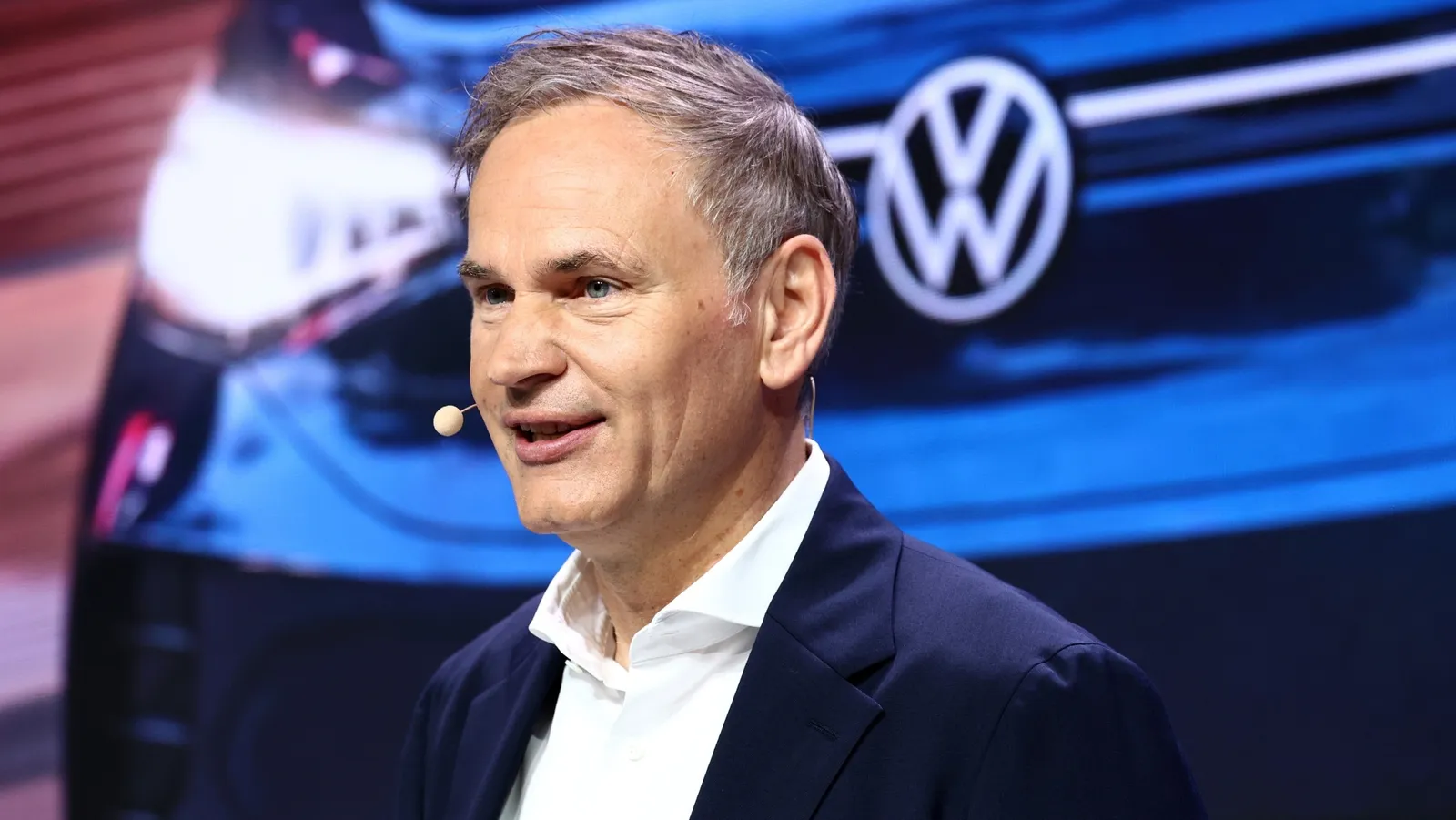
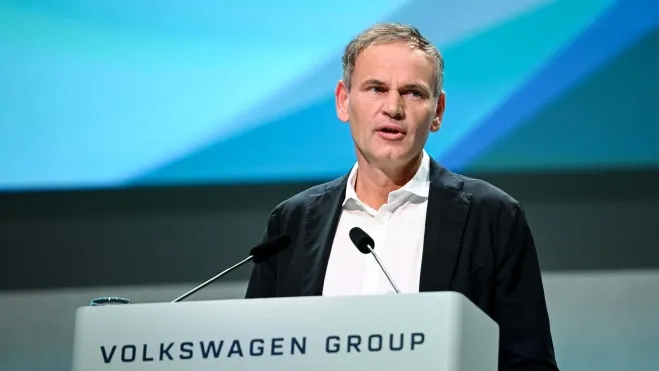
Volkswagen Group CEO Oliver Blume believes it is time to make concrete decisions to strengthen European competitiveness. Among the issues he highlights are community CO₂ regulations, trade relations with China, and the role industrial production should play within the continent.
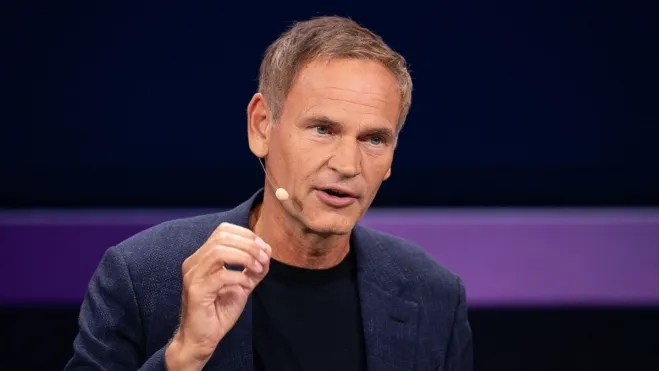
"Now is the time to set the right course for ‘Made in Europe,’ CO₂ regulations, and trade with China," says Blume, who calls for greater coordination between companies and European policymakers to address what he views as an increasingly urgent transformation.
Volkswagen urges Europe to act faster
The group’s top executive believes Europe still possesses strong industrial, technological, and innovation capabilities, but warns that the international landscape demands faster action. In his view, the continent still has a solid foundation, though it needs to make better use of it against its main competitors.
"Geopolitical crises and the rapidly increasing global competitive pressure require Europe — just as they require Volkswagen Group — to move faster and drive change with determination," says Blume, who identifies the speed of response as one of today’s major challenges.
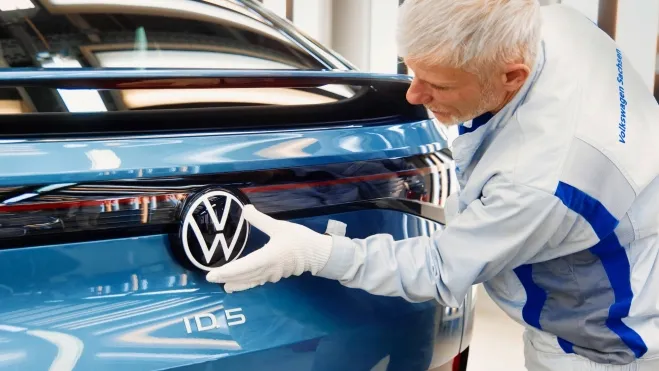
For Blume, European competitiveness depends not only on corporate decisions. Volkswagen argues that companies must continue to transform and improve their efficiency, but it also believes in the need for regulatory conditions that allow them to compete on equal terms with other major industrial regions.
"Competitiveness is a shared responsibility: companies must do their part, and policymakers need to create the appropriate framework conditions," says the CEO. The message calls for closer collaboration between industry and governments to shape the sector’s future.
The group frames these demands within its “For Europe” initiative, aimed at strengthening its industrial commitment to the continent. Volkswagen highlights areas such as electric vehicles, batteries, software, artificial intelligence, and new energy systems as strategic technologies for the coming years.
Europe remains Volkswagen’s main market
Europe’s significance within the Volkswagen Group remains enormous both commercially and industrially. By 2025, the manufacturer employed 476,400 workers on the continent, accounting for approximately 72% of its total global workforce.
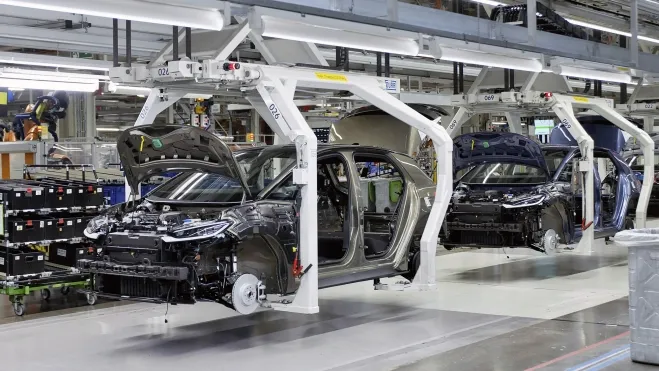
The group also operates 55 factories across 16 European countries and spends over 100 billion euros annually on purchases within Europe. Seven of its top ten suppliers are also European, further emphasizing the group’s reliance on its industrial network on the continent.
In terms of sales, Volkswagen delivered 3.94 million vehicles in Europe during 2025. The continent accounted for 44% of all its global deliveries and remained by a large margin its largest market, far ahead of other major regions.
The manufacturer achieved a market share of approximately 25% across all propulsion technologies and 27% among fully electric vehicles. It also claims to hold the top position in 23 of its 31 key European markets, a position it aims to maintain during the transition period.
A message ahead of the Paris Motor Show
Volkswagen will take this debate to Paris on October 11, one day before the opening of the Motor Show. The group will bring together executives, political representatives, industry associations, and media to discuss European competitiveness and the future of its industry.
Oliver Blume will open the event with a speech on “For Europe.” Arno Antlitz, CFO and COO of Volkswagen Group; Werner Tietz, head of Research and Development; and Thomas Schäfer, CEO of the Volkswagen brand, will also participate.
Electric mobility will play a key role in the event. Schäfer will speak about the so-called “Electric Urban Car Family,” Volkswagen’s new line of urban electric vehicles that the company aims to turn into one of its major industrial projects in Europe over the coming years.
Starting October 12, Volkswagen, Volkswagen Commercial Vehicles, Škoda, CUPRA, and Audi will also showcase their latest innovations at the Paris Motor Show. The event will serve both to introduce new products and to convey a political and industrial message about the future of the European automotive sector.
Blume’s previous message, however, goes beyond new models. Volkswagen believes Europe must now decide how it wants to protect and transform its industry in the face of China’s growth, new regulatory requirements, and increasingly fierce global competition.
