
The CEO of Renault Group warns about what could happen if Europe does not support the automotive industry: "In the end, this industry will die."
The European automotive industry is facing one of the most challenging periods in recent decades. The shift toward electric mobility, increasing international competition, and difficulties in maintaining profitability are testing some of the continent’s largest manufacturers. Against this backdrop, the head of Renault Group has issued a particularly strong warning about what could happen if Europe does not take urgent action.
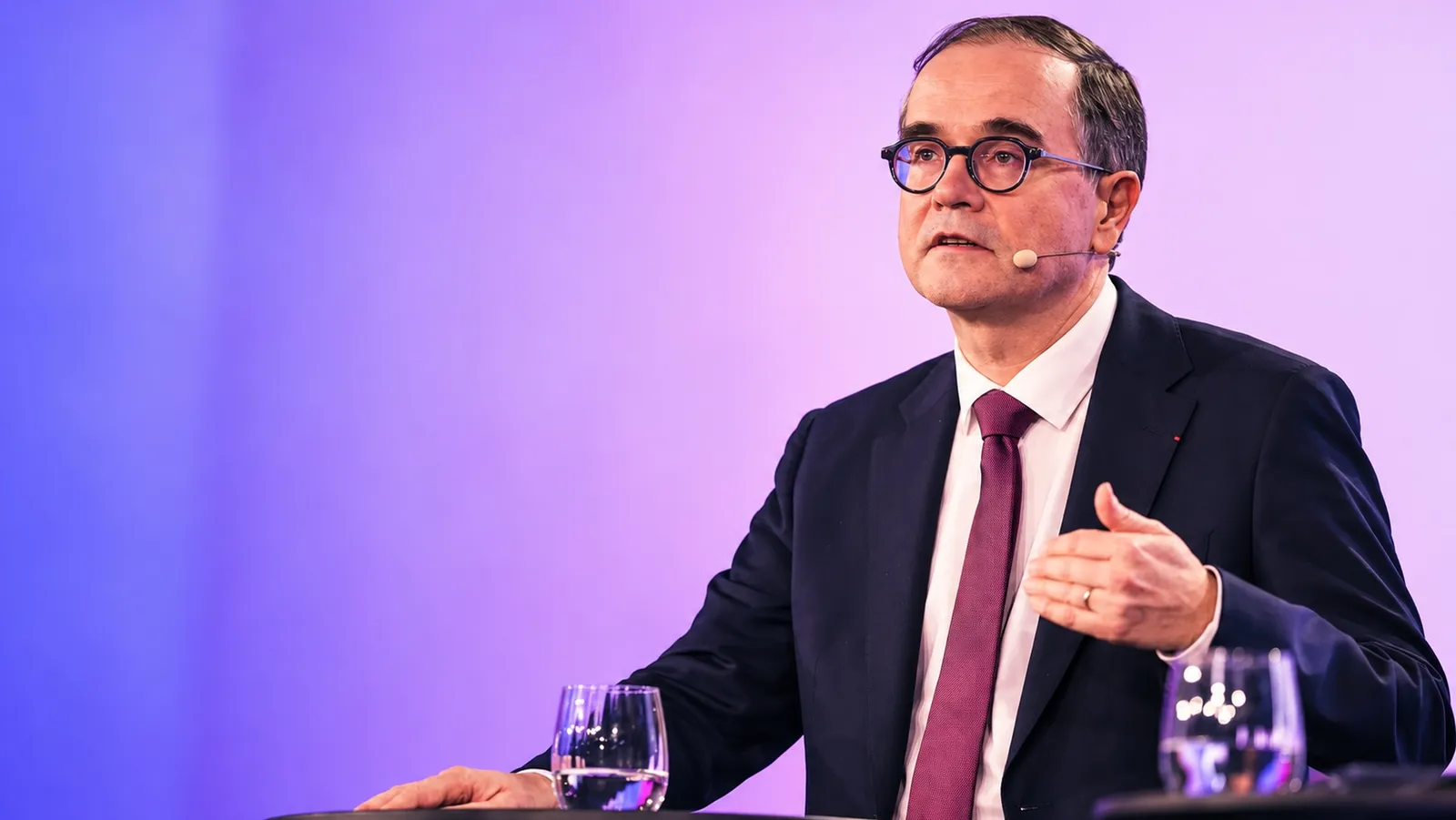
François Provost, CEO of Renault Group, believes the future of Europe’s automotive industry is at stake and that community institutions must take action to protect its competitiveness. In remarks cited by Reuters, the executive explained that financial markets are concerned about the possibility that traditional manufacturers may gradually lose their edge to international competitors.
Specifically, Provost warned that investors fear that if Europe does not decide to support the automotive industry urgently, Chinese manufacturers will continue to increase their imports, and “in the end, this industry will die.” The executive emphasized the need to act as soon as possible and called for a response from EU institutions: “That’s why I tell the European Union that it is urgent to make a decision now.”

Renault’s CEO calls for urgent measures to protect the European industry
Renault’s top executive’s remarks come at a time of growing concern among major European automakers. Volkswagen, Stellantis, and Renault are striving to regain investors’ confidence following several years marked by intense pressure on profit margins, substantial investments in electrification, and shifting purchasing habits. Although their latest results have provided some relief to the markets, doubts remain about the industry’s ability to restore its profitability in the long term.
One of the main problems is the growing presence of Chinese manufacturers in the European market. Brands such as BYD and Geely have developed electric vehicles with competitive technologies and cost structures that are forcing their traditional rivals to reconsider their strategies. According to data collected by Reuters, the combined share of Chinese manufacturers in Europe exceeded 10% by mid-2026, whereas just five years earlier their presence was virtually negligible.
This situation is particularly affecting large European manufacturers, who need to sell millions of vehicles to keep their industrial facilities profitable. The transition to electric cars requires significant investments in platforms, batteries, and electronic systems, while competition forces them to keep selling prices low. For companies with extensive networks of factories and suppliers, finding a balance between these two demands has become one of their biggest challenges.
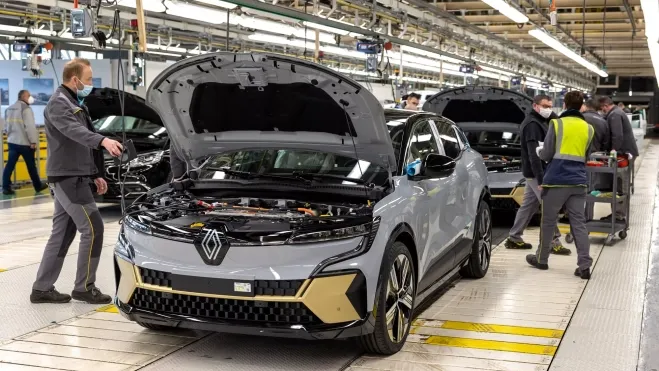
In fact, Volkswagen, Stellantis, and Renault have been urging Brussels for weeks to implement measures that support the manufacturing of cars and components within European territory. Among the proposals under discussion are incentives for local production and changes to regulatory frameworks to facilitate technological transition. The manufacturers’ goal is to prevent new industrial requirements from weakening precisely those companies that need to make the largest investments in electrification.
The concern is also reflected in financial markets. Philippe Houchois, an analyst at Jefferies, warned Reuters that the sector’s fundamentals are worsening due to competitive pressure. On the other hand, Massimo Baggiani of Niche Asset Management believes it is currently difficult to identify a factor capable of driving sustained recovery for European manufacturers. These assessments help explain the scenario referred to by François Provost in his statements.
Renault improves its electric vehicle sales but warns of risks for Europe
Provost’s warning is particularly significant as the Renault Group continues to advance its electrification strategy. According to the official results released on October 29, the company generated revenues of 11.596 billion euros in the third quarter of 2026, up 1.5% from the same period last year. However, the group’s global sales declined by 6%, to 497,799 vehicles.
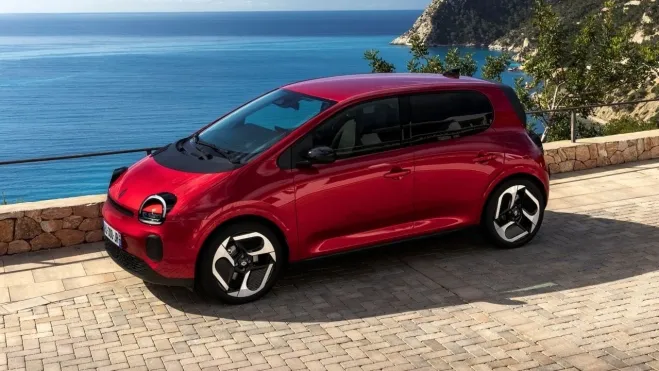
The performance of its electric models offers a different perspective. During the third quarter, the group’s sales of all-electric cars increased by 84.7% in Europe, accounting for 25.8% of its car registrations in that market. Including conventional and plug-in hybrids, electrified vehicles made up 54.9% of its European car sales, reflecting the growing importance of these technologies within the company.
Despite this development, the growth of electric cars does not guarantee an improvement in industrial profitability on its own. Manufacturers must bear high development and production costs while competing with companies that can introduce new models in increasingly shorter time frames. The need to offer affordable electric vehicles puts pressure on profit margins and forces optimization of both factories and supply chains.
In this context, the European Association of Automobile Manufacturers (ACEA) has also called for urgent progress in reforming the regulatory framework. The organization argues that decarbonization goals must be accompanied by conditions that allow production and employment to be maintained in Europe. Its president, Ola Källenius, the top executive at Mercedes-Benz, has emphasized that the transition to zero emissions must be balanced with economic stability and industrial competitiveness.
Therefore, François Provost’s words should not be interpreted as an assertion that the disappearance of the European car industry is inevitable. The Renault CEO is conveying the concerns he perceives among investors and warning about a scenario he believes must be avoided through industrial decisions and policies. His message comes at a time when the sector, which remains crucial to the European economy, is facing one of its greatest challenges in history.