
Volvo Group’s CEO warns Europe: “Relying solely on electric trucks would be extremely dangerous.”
21/09/2026 12:30
Updated to
21/09/2026 12:30
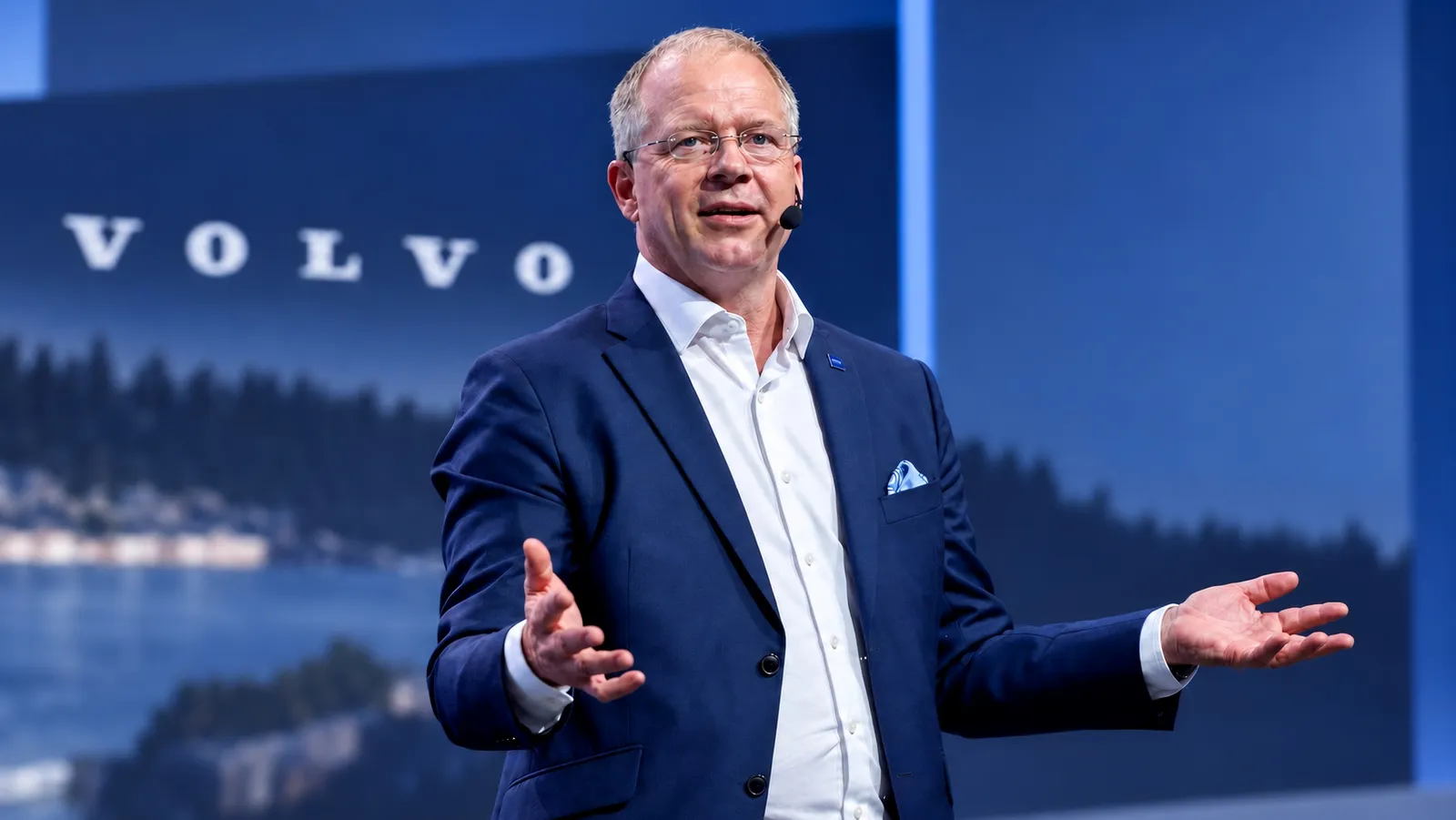
Volvo is one of the manufacturers most committed to electrifying heavy transport in Europe, but its top executive believes it would be a mistake to rely solely on one approach for the transition. Martin Lundstedt, president and CEO of Volvo Group, has warned that depending only on battery-powered electric trucks would be “extremely dangerous” for Europe.
This statement appears in a report by Financial Times, which examines the ongoing debate among major European manufacturers over the technologies that should be used to decarbonize heavy transport. As electric trucks continue to improve in range and payload capacity, Volvo wants to keep the hydrogen option open as well.

"It’s extremely dangerous to choose just one technology."
Lundstedt argues that the needs of heavy transportation are too diverse to assume a single solution will work for all markets and job types. A truck that makes regional deliveries and returns to a base every night requires different things from one designed to travel long distances with heavy loads.
It is in these latter applications that Volvo believes hydrogen fuel cells can still make sense. Faster refueling and the ability to maintain high payload capacity without installing huge batteries are some of the arguments still used by its supporters.
Volvo Group has officially reinforced this idea. The company argues that hydrogen should serve as a complement to battery-electric trucks, especially for operations requiring long range, heavy loads, fast refueling, and high operational flexibility.
Volvo will continue selling electric trucks
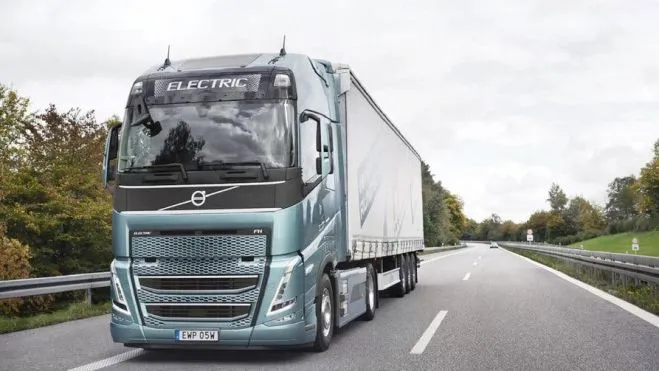
Lundstedt’s warning does not mean Volvo will slow down its push toward electric vehicles. The company continues to develop and market battery-powered trucks, but it does not want Europe to close the door too early on other zero-emission technologies.
The Swedish manufacturer’s approach is to use different solutions depending on the tasks each vehicle needs to perform. Battery-electric vehicles would play a key role in many regional and medium-distance routes, while hydrogen could handle situations where range, payload capacity, or downtime are more critical.
This multi-technology strategy is also one that Volvo is trying to promote alongside other major industrial groups. Companies such as Volvo Group, Daimler Truck, Toyota, Bosch, Air Liquide, and TotalEnergies announced this month a project to accelerate the deployment of hydrogen trucks and the infrastructure needed to use them in Europe.
The issue remains infrastructure
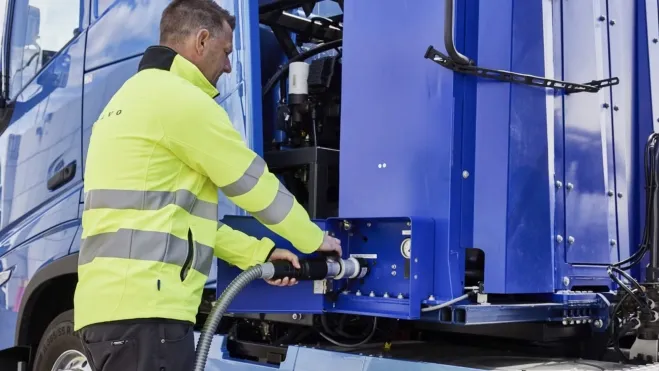
The technological race, however, does not depend solely on vehicles. Both electric and hydrogen trucks require infrastructure that is still far from being deployed on a large scale in Europe.
In the case of hydrogen, manufacturers consider it essential to create corridors with refueling stations and ensure an adequate supply at competitive prices. Volvo and its partners are working on a model that coordinates the arrival of trucks, hydrogen production facilities, and energy supply to achieve competitive total ownership costs.
The transition is also not progressing at the same pace as in passenger vehicles. According to data collected by Financial Times, electric trucks account for around 4.8% of new heavy vehicle registrations in the European Union.
At the same time, competitive pressure is starting to increase. Chinese manufacturers such as BYD and Sany are preparing for greater expansion in Europe, while Tesla is also trying to establish a presence with its electric truck. European manufacturers currently hold around 97% of the heavy vehicle market, but various organizations warn that this position could deteriorate if they do not accelerate their technological transition.