
Stellantis’ CEO explains why he changed the company’s strategy for electric cars: “We were stuck to an ideology”
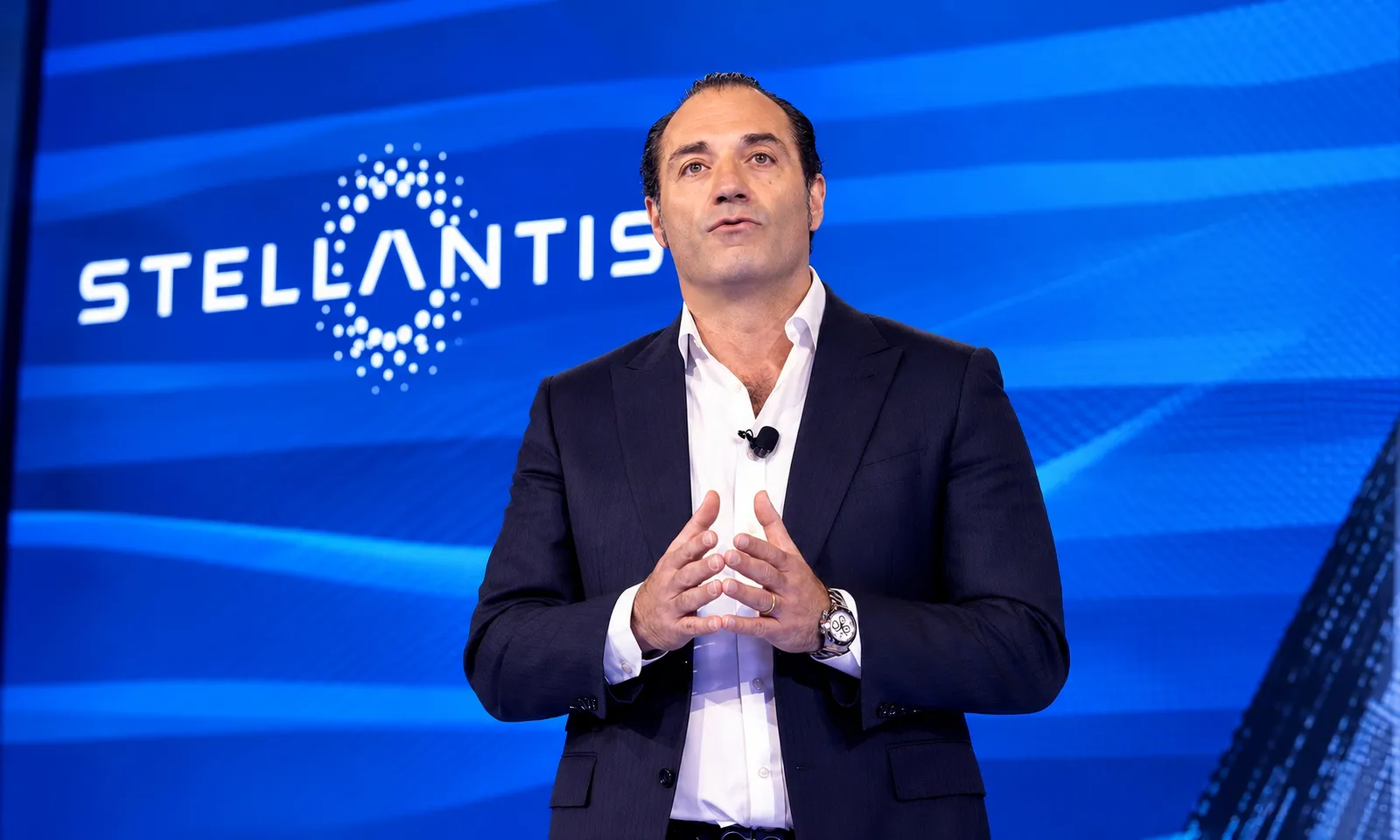
Stellantis has been implementing one of the biggest strategic shifts in its recent history for months. The automotive group has scaled back some of its earlier ambitions regarding electric vehicles and given renewed focus to internal combustion engines, hybrids, and other electrified solutions.
Now, its CEO, Antonio Filosa, has explained quite clearly what lies behind this transformation. At the Automotive News Congress held this week in Detroit, Stellantis’ top executive admitted that the company needed to abandon a strategy that was too heavily influenced by a specific vision of the future of automobiles.
We fundamentally changed our business model: from being tied, so to speak, to a particular ideology, to truly listening to our key customers,” Filosa said during his speech.

Stellantis admits it needed to listen more to customers
Filosa’s remarks come after several years during which Stellantis placed electrification at the core of its strategy. One of the previous management team’s goals was to have 100% of its passenger car sales in Europe be electric vehicles by 2030.
However, the scenario envisioned by the company has not developed at the expected pace. Demand for electric cars has evolved unevenly across different markets, prompting Stellantis to gradually adjust its plans in order to offer a wider range of propulsion systems.
Filosa explained that the change began precisely after paying closer attention to customers and dealers. “The mantra of reinvention revolves around the freedom to choose,” said the CEO, who believes it is essential to decide what products to offer based on the real needs of the market.
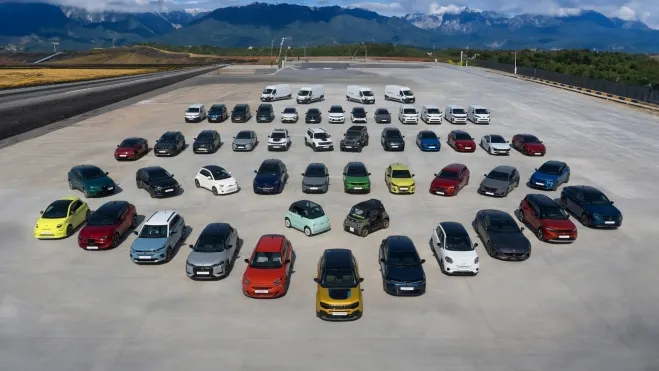
The company had already admitted in early 2026 that it had “overestimated the pace of the energy transition.” At that time, Stellantis announced expenses of around 22.2 billion euros related to reviewing its strategy and stated that demand, rather than merely previously set goals, should dictate the pace of transformation.
This does not mean that Stellantis will abandon electric cars. The group continues to develop battery-powered models, but it aims to combine them with hybrids, extended-range vehicles, and internal combustion engines where there is demand for these technologies.
A clear example can be found in North America. Stellantis is reintroducing internal combustion engines that had been removed from some of its models, while simultaneously focusing on electric extended-range vehicles for certain large SUVs and pickup trucks.
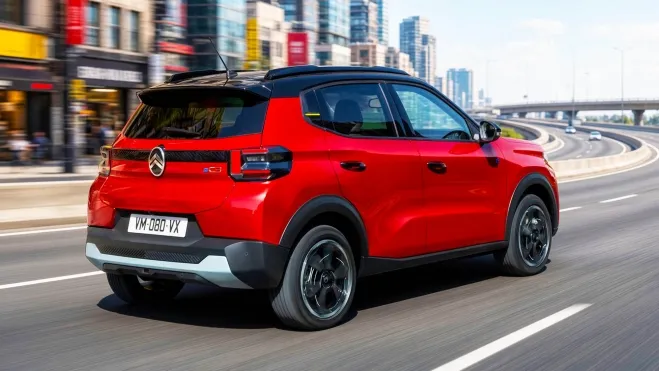
Filosa defended this latest technology, stating that its introduction is primarily driven by buyers’ preferences. “It’s a customer choice rather than one made to meet regulations,” she said.
The group has reviewed several of its electrical plans and now focuses on a more flexible range tailored to each market.
The approach involves offering different technologies to the same type of customer instead of trying to direct the entire range toward a single solution. Stellantis calls this strategy “choice freedom” and has made it one of the principles of its new phase.
The change is already having direct consequences on the group’s product range. Stellantis has reviewed several electric projects, expanded its offerings of combustion engines and hybrids once again, and is developing new vehicles with different propulsion systems.
The company, which owns brands such as Peugeot, Citroën, Fiat, Opel, Jeep, Alfa Romeo, and Ram, also aims to regain market share after a particularly difficult period. Filosa believes that offering products tailored to buyers’ preferences will be one of the key factors in returning to growth.
His reflection captures the shift in philosophy that Stellantis is undergoing: electric cars remain part of its future, but they will no longer necessarily be the only solution. For Filosa, the priority now is to let the market itself determine which technology progresses fastest.
