
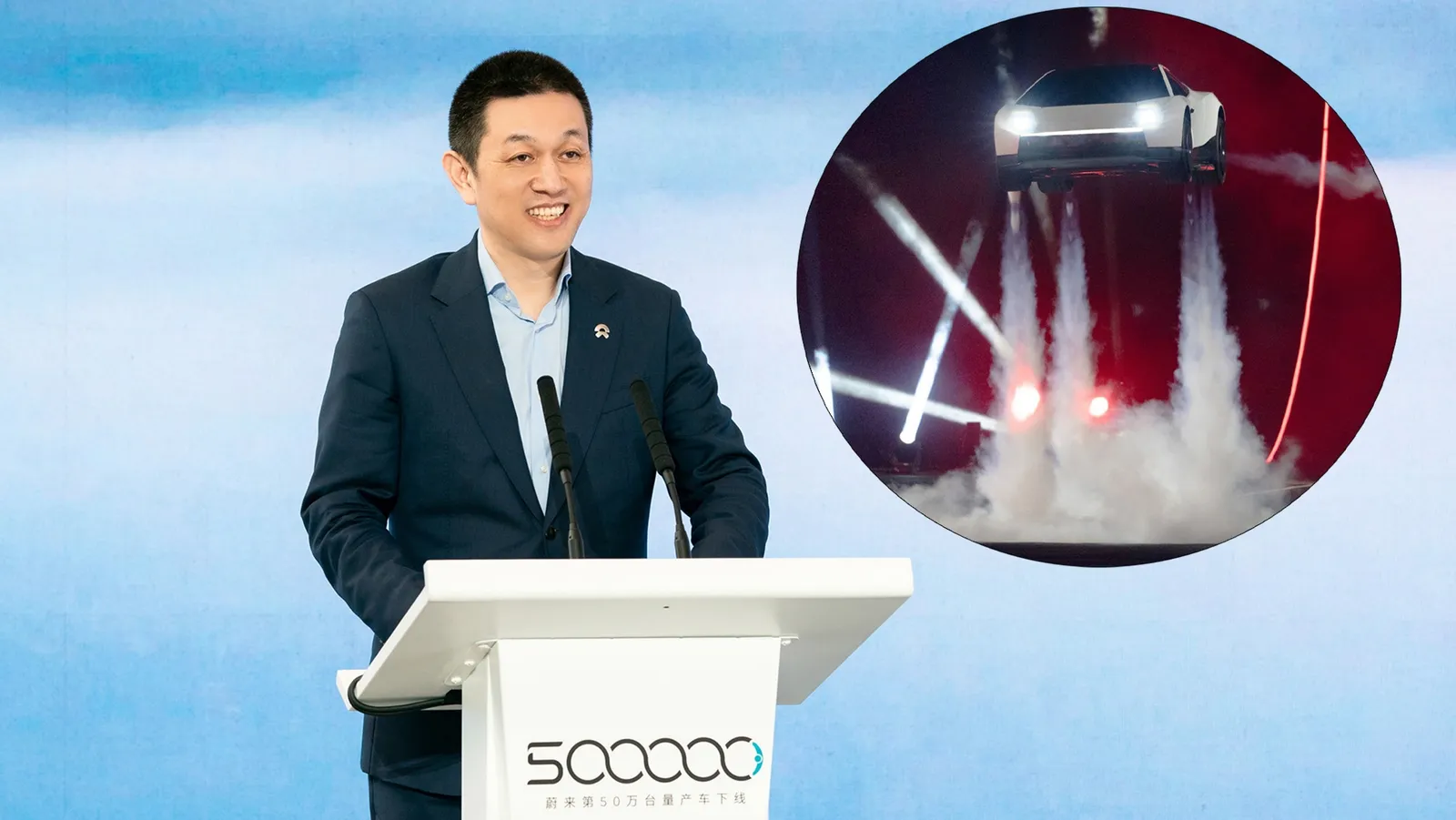
NIO’s CEO, William Li, makes it clear: “What Tesla has, we have; what we have, Tesla doesn’t have.”
The unveiling of the new Tesla Roadster has triggered a wide range of reactions within the automotive industry. Elon Musk’s long-awaited electric sports car has impressed with its performance, and especially with its ability to lift off the ground and perform aerial maneuvers thanks to a propulsion system developed jointly by Tesla and SpaceX. This technological demonstration has caught the attention even of some of the company’s major competitors.
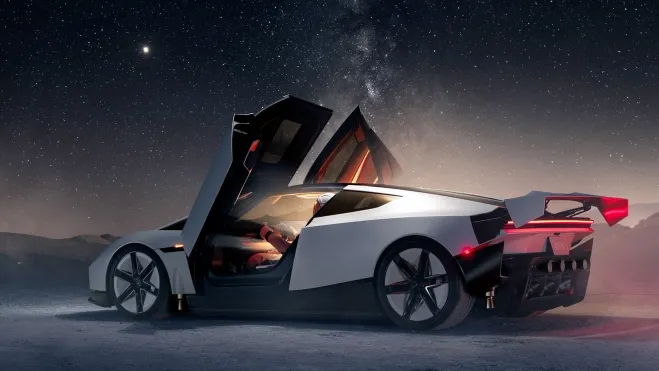
NIO’s CEO’s unique reaction to the new Tesla Roadster
The controversy stems from a speech given by William Li at an event organized by Tencent Academy in 2018. When asked about the comparison between NIO and Tesla, the entrepreneur responded with a statement reflecting his confidence in the potential of Chinese automakers: "What Tesla has, we have; what we have, Tesla doesn’t have."
At that time, NIO was still preparing to deliver the first units of its ES8, its first production car, while Tesla had not yet begun delivering the Model 3 in China. Li argued that Chinese companies should have confidence in their ability to compete internationally, though that quote would eventually become one of his most memorable statements.
The unveiling of the new Tesla Roadster has brought it back into the spotlight. After numerous users resurfaced screenshots of his comments from 2018, Li himself shared a video showing the American sports car performing stunts on his personal Weibo account, China’s popular social media platform. His message was brief yet meaningful: “Incredible! We don’t have anything like this. Congratulations to Tesla.” The comment, accompanied by a laughing emoji, was interpreted as an act of self-criticism and recognition of his competitor’s work.
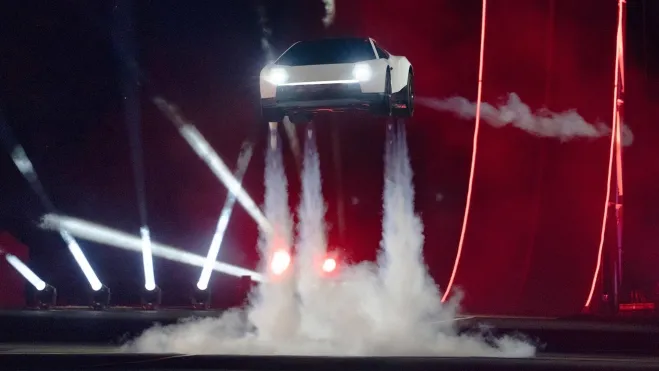
A Tesla Roadster that can lift off the ground and perform acrobatics in the air
The reason for this reaction was the unveiling of the second generation of the Tesla Roadster, held on October 15th at SpaceX’s test facilities in McGregor, Texas. During the event, the company displayed a demonstration vehicle equipped with a suction system using fans and cold gas thrusters, capable of generating thrust without burning fuel.
Thanks to this technology, the sports car managed to travel up a curved ramp, perform an aerial somersault, and land afterward. It also jumped over other Tesla vehicles, including a Semi truck. These maneuvers are part of the capabilities the brand aims to offer with the Rocket configuration, the most extreme version of the future Roadster lineup. As a reminder, this model is already available for reservation in Spain.
However, it is important to distinguish between the various versions announced. Tesla is considering a two-seater Performance variant, which is already available for reservations, as well as a Thrust configuration with rear thrusters aimed at improving performance. The Rocket version, responsible for aerial maneuvers, will have only one seat and will be available exclusively by invitation. Additionally, it does not have approval for use on public roads. Elon Musk has set 2028 as the target date to begin production, following successive delays since the first prototype was unveiled in 2017.
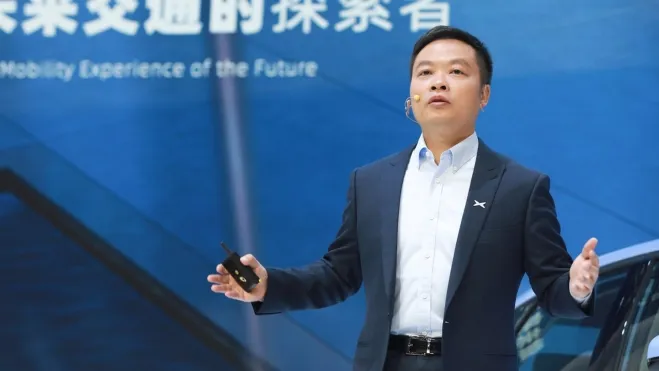
Xpeng also responds to Elon Musk’s sports car
William Li is not the only Chinese executive who has reacted to the new Roadster. He Xiaopeng, founder and CEO of Xpeng, also posted a comment on Weibo describing the vehicle as “a very interesting flying car in another form.”
However, Xpeng’s leader raised an important point: the possibility of commercializing a vehicle with such features will depend on factors like flight safety, autonomy, and especially certification procedures. He Xiaopeng reminded that no manufacturer can avoid aviation homologation requirements, which are processes that demand extensive work.
His statements are particularly significant because XPeng is also developing flying vehicles through Aridge, its division focused on aerial mobility. The Chinese company aims to produce these products using industrial processes similar to those in the automotive industry.