
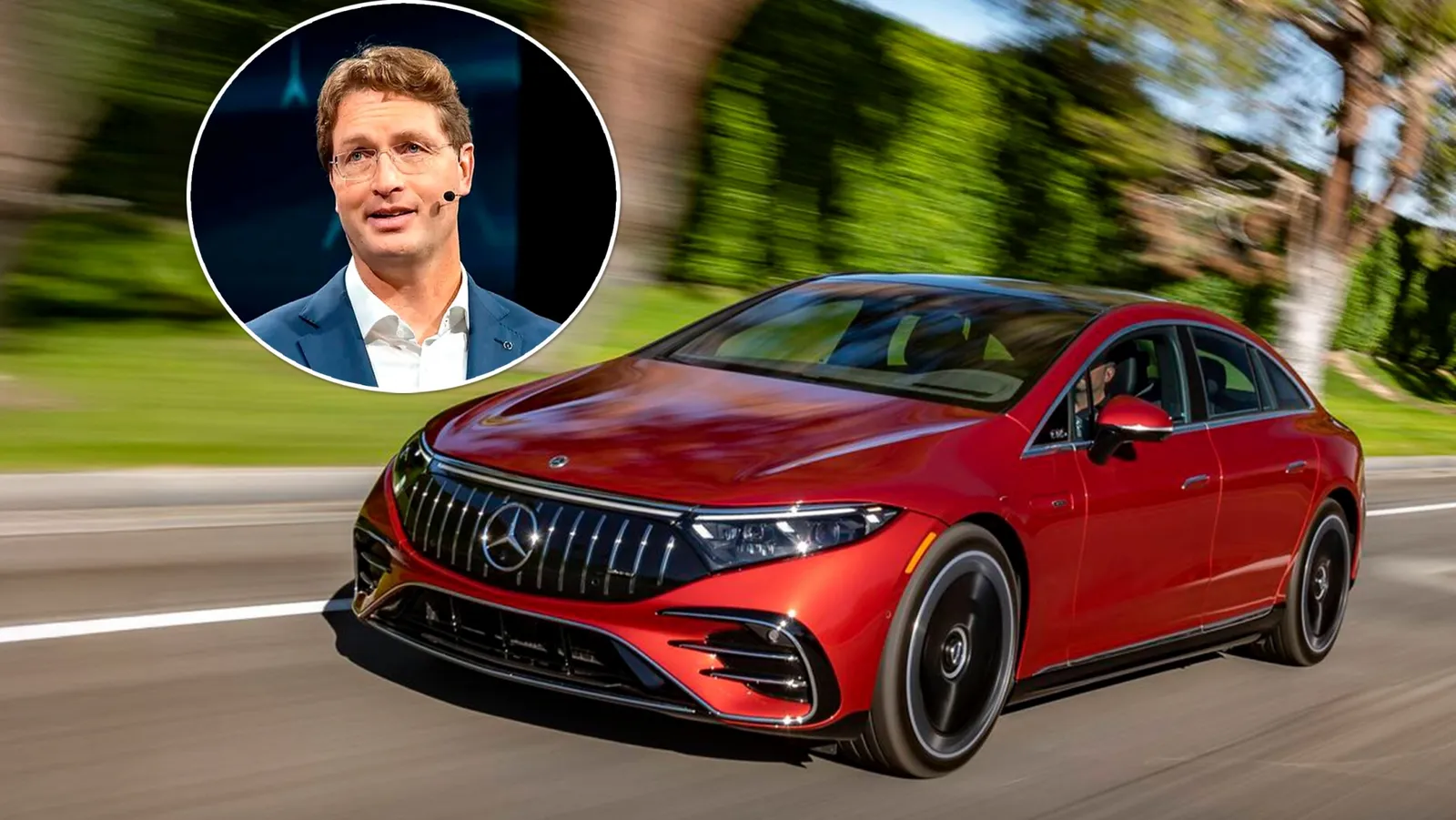
Mercedes' CEO acknowledges that electric cars still face a major hurdle: "Consumers aren't there yet.
06/09/2026 12:00
Updated to
06/09/2026 12:00
Mercedes-Benz’s transition to electric vehicles is entering a new phase. After several years of striving to give its battery-powered models their own distinct identity, the company believes that an increasing number of its regular customers are willing to switch to this technology, which is changing the way it approaches its upcoming launches.
The goal now is to offer cars that remain recognizable regardless of what’s under the hood. Mercedes will continue developing electric vehicles and internal combustion engine models using different technical platforms when necessary, but it aims to reduce the external differences between them so that buyers’ decisions focus primarily on the propulsion system.
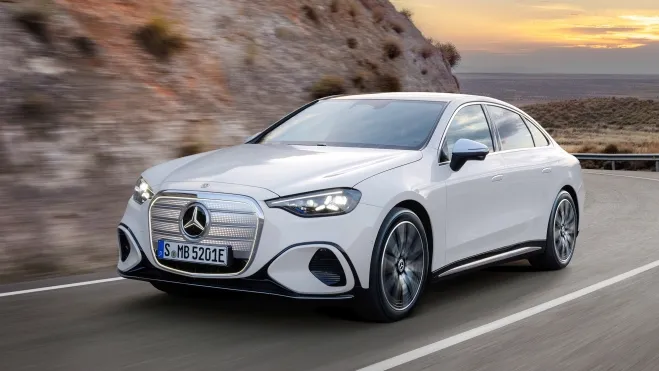
Mercedes wants customers to choose the engine, not a different design
Ola Källenius, CEO of Mercedes-Benz, told Autocar that the first generation of electric vehicles helped attract new buyers who were not previously closely associated with the brand. The situation is changing, and according to the executive, Mercedes’ traditional customers are also starting to enter the electric vehicle market.
That movement helps explain the shift away from the EQS and EQE. Both were introduced with the “One-Bow” silhouette, designs heavily influenced by aerodynamics and distinctly different from models like the S-Class and E-Class. The new electric C-Class and GLC Electric take a different approach, returning to proportions much closer to those of a conventional Mercedes.
In fact, Mercedes is also bringing visual elements from its new electric models to its internal combustion engine vehicles. The updated gasoline-powered C-Class features new lighting signatures similar to its electric counterpart, indicating that the company aims to create a unified identity rather than maintaining two visually separate lines.
The similarity will be on the outside because significant differences will still exist underneath
The unification of design does not mean that Mercedes will use a single platform. The CLA introduced the MMA architecture, designed primarily around electric propulsion though compatible with electrified engines, while the new Class C and electric GLC models use MB.EA. Mercedes-AMG also has AMG.EA for its future high-performance electric models.
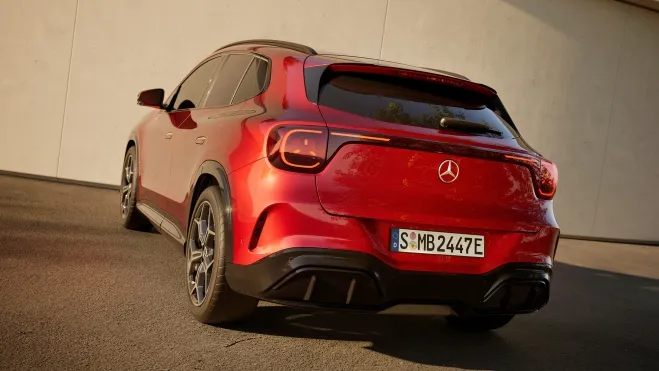
Källenius argues that this organizational structure using modular architectures is necessary to handle the large number of new products Mercedes has in development, without having to start from scratch for each car. This is complemented by MB.OS, the company’s own operating system introduced with the CLA, which it will extend to its new models regardless of whether they use electric powertrains or internal combustion engines.
The company also does not plan to force a technological shift in the short term. Mercedes maintains carbon neutrality as its long-term goal and views electric mobility as its main pathway to achieving it, though it will continue offering electrified combustion engines as long as there is demand. Its current strategy thus leaves the pace of transition in the hands of the customer, with electric vehicles being gradually integrated into the brand’s traditional model lines.