
BMW’s CEO warns about Chinese cars in Europe: their prices are “inexplicably low”
22/09/2026 17:30
Updated to
22/09/2026 17:30
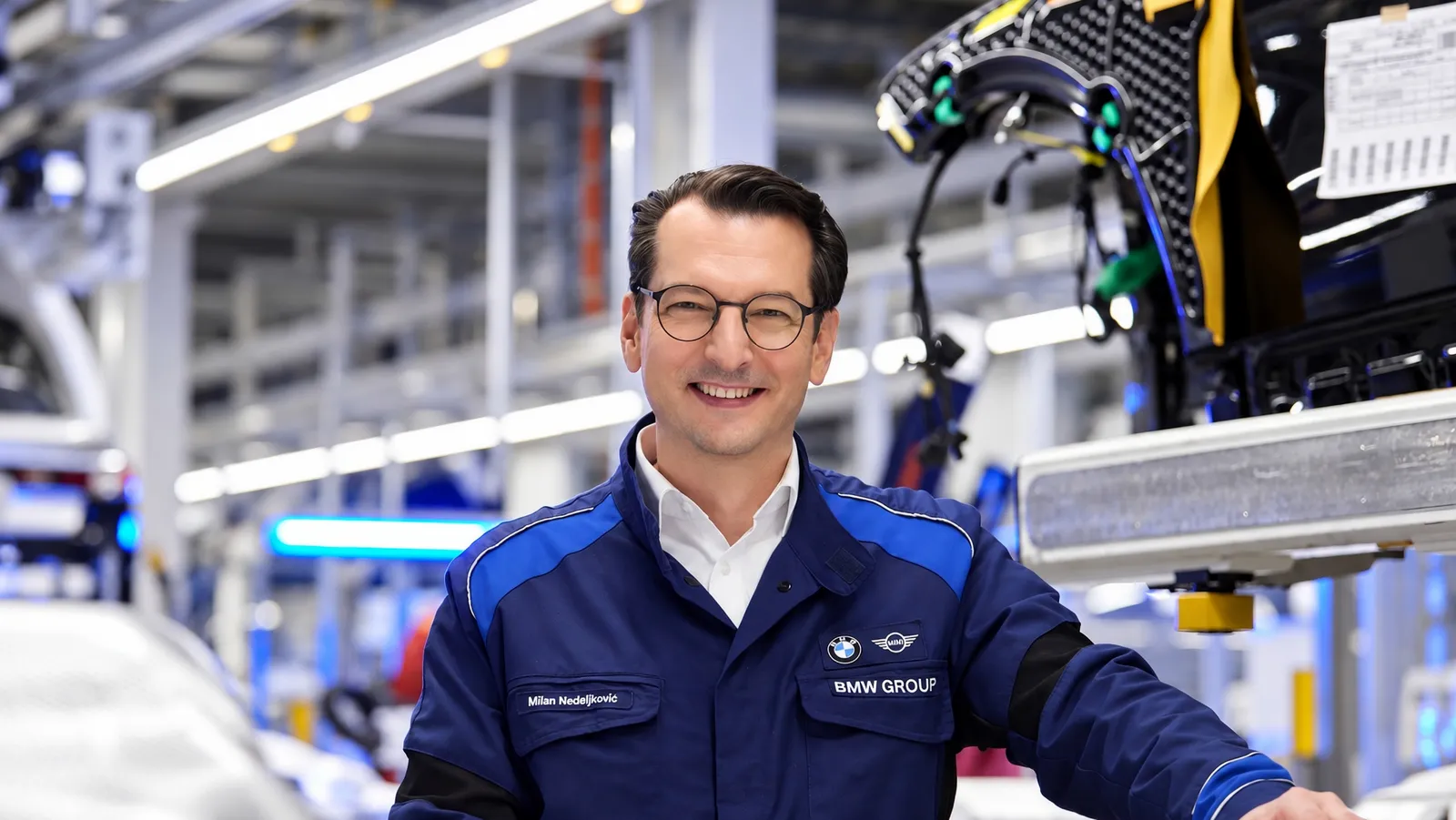
The pressure from Chinese manufacturers on European brands continues to rise, especially over one difficult-to-match factor: price. Now it is BMW’s own CEO, Milan Nedeljković, who has warned about certain offers that, in his view, are difficult to justify from a business perspective.
In an interview with the German newspaper Frankfurter Allgemeine Zeitung cited by Reuters, Nedeljković stated that some Chinese cars are entering the European market at “unexplainably low” prices. However, BMW’s top executive does not believe the solution lies in raising even more trade barriers against China.
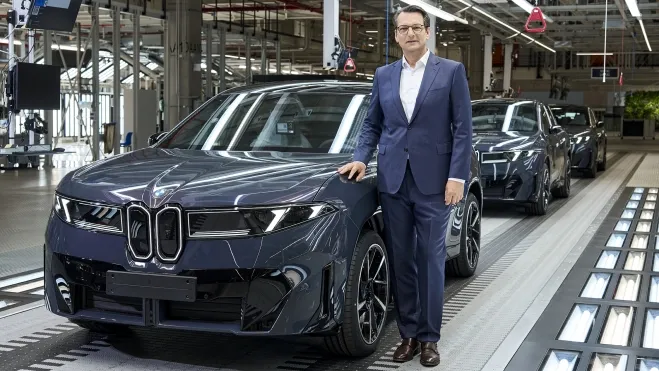
BMW questions how some Chinese cars can be sold at those prices
This statement comes at a particularly sensitive time for European automakers. Chinese brands have rapidly expanded their presence on the continent by leveraging competitive pricing, advanced technology, and an increasing range of electric and plug-in hybrid vehicles.
Nedeljković believes that some of these offerings raise economic doubts. The BMW CEO stated that certain Chinese cars are sold in Europe at prices that “are not understandable from a business perspective.”
For the executive, allowing this situation to continue could end up fueling more protectionist attitudes within Europe. Right now, Brussels is exploring new approaches to address the trade imbalance with China and protect Europe’s automotive industry, which is under increasing pressure.
Notably, Nedeljković does not use this concern to advocate for new taxes on vehicles from China. BMW maintains a critical stance toward the additional tariffs that the European Union already imposes on electric cars manufactured in that Asian country.
The CEO prefers that Europe and China reach voluntary agreements on prices, under terms that allow competition within a framework considered fair by both sides. His proposal starts with initiating political dialogue to determine what can be regarded as a market price, followed by translating that into concrete actions.
Nedeljković advocates this approach because introducing new tariffs would mean even greater intervention in the market. He summarizes his position with another clear phrase: “No one is interested in escalation.”
To date, European measures have focused primarily on electric cars manufactured in China. The European Union imposes additional tariffs of up to 35.3% on certain Chinese electric vehicles after determining that their manufacturers benefited from government subsidies that distorted competition.
However, plug-in hybrids manufactured in China are not currently subject to these additional tariffs, which has made this technology a new growth avenue for Asian brands in Europe. Some European manufacturers and policymakers have already proposed extending these trade measures to such vehicles as well.
China, for its part, rejects Europe’s gradual closure of its market. Chinese Trade Minister Wang Wentao stated this week that Beijing wants to resolve differences through negotiation and warned against an increase in European protectionism.
BMW Has Industrial Interests in China
BMW’s stance also has an industrial explanation. The German manufacturer maintains a significant presence in China, where it produces models such as the electric MINI Cooper for export markets as well.
This puts BMW in a different position from other manufacturers that produce few vehicles in China. An increase in trade barriers could protect some models manufactured in Europe, but it might also harm those European companies that rely on Chinese factories within their own industrial structure.
That is why BMW has long argued that a tariff war could end up harming both sides. Nedeljković now acknowledges that the price of some Chinese cars poses a problem for European competitiveness, but insists on seeking a negotiated solution rather than imposing new barriers.