
The BMW iX5 Hydrogen with hydrogen fuel cell will have less range than the battery-powered electric iX5.
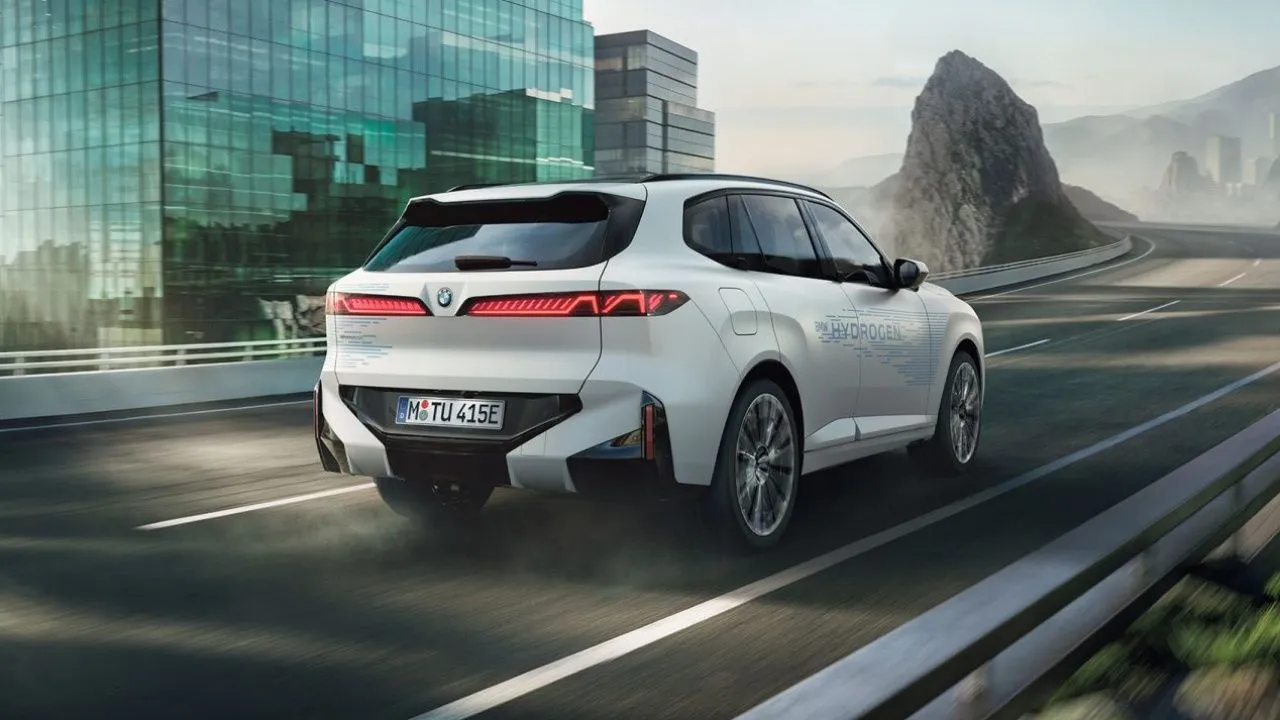
BMW will launch the iX5 Hydrogen in 2028, its first production vehicle equipped with a hydrogen fuel cell. The Bavarian company is currently conducting testing programs to optimize the performance of the propulsion system. This model will share its platform with the rest of the X5 lineup, which includes five propulsion technologies: gasoline, diesel, plug-in hybrid, battery electric, and fuel cell electric.
"Our ambition for the BMW iX5 Hydrogen is clear: a true BMW with unparalleled driving pleasure," says Josef Hochreiter, Head of Hydrogen Vehicles at the BMW Group. "To achieve this, it is essential to have a perfectly coordinated global system. Current tests demonstrate the successful integration of the fuel cell system, high-voltage battery, and electric drive train, as well as the systematic approach we are taking to develop the technology for series production."
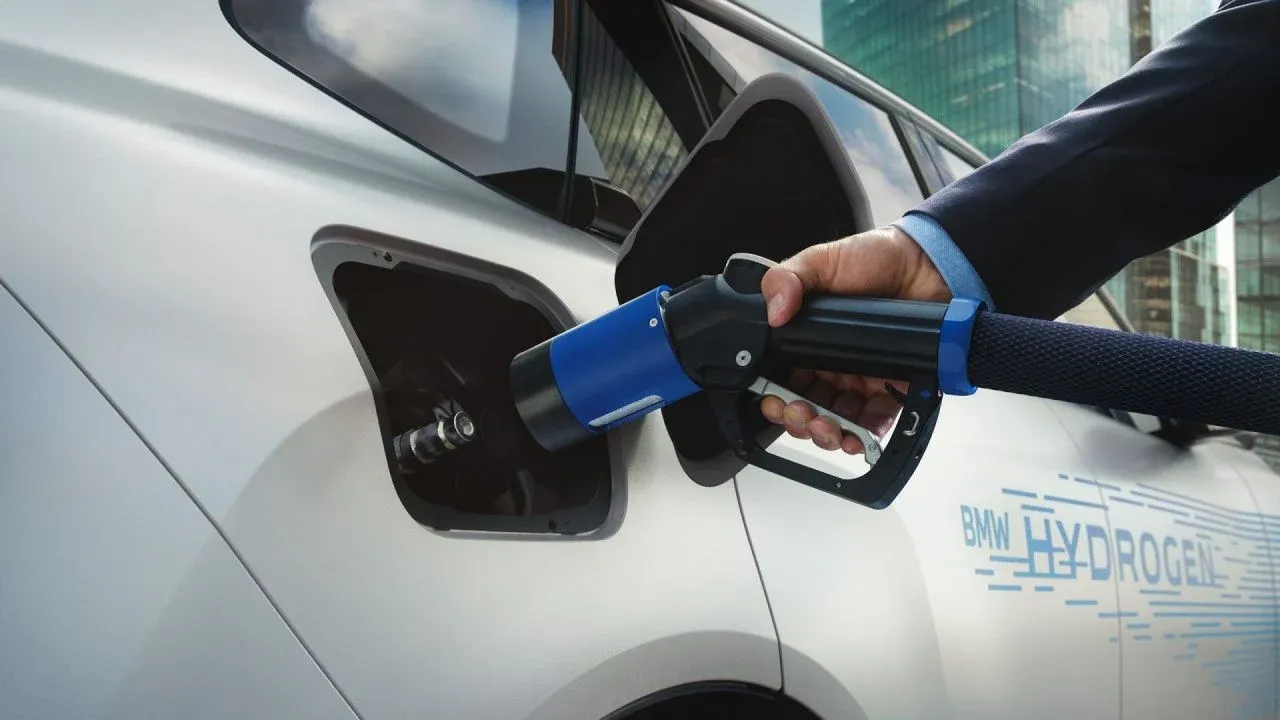
To enable the iX5 Hydrogen to be produced alongside the standard iX5, the company has developed the BMW Hydrogen Flat Storage modular system, which allows compressed hydrogen tanks to be placed in the same space occupied by batteries in its sixth-generation electric vehicles (that is, under the floor). The storage system consists of a total of seven high-pressure tanks with a capacity of 7 kg each.
"Our new storage concept allows us to integrate the hydrogen propulsion system into the new X5 with precision and optimize space," said Joachim Post, a member of BMW’s Board of Management, a few months ago. "It’s like a game of Tetris: each customer gets the propulsion system that best fits their needs, along with a true BMW X5 without compromises. This is technological openness and the art of engineering, just as we developers like it!"
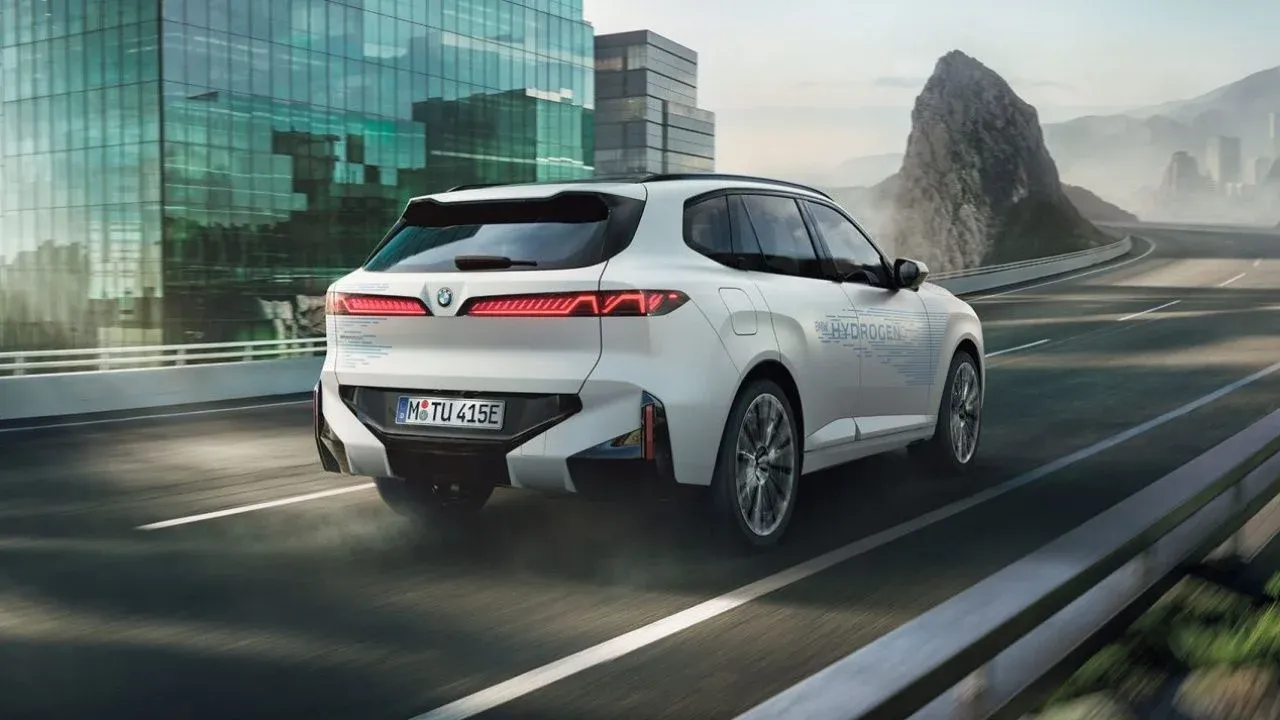
BMW aims for the iX5 Hydrogen to achieve a WLTP range of 750 km. For comparison, the iX5 60 xDrive has a WLTP range of 845 km thanks to its massive battery with a useful capacity of 141 kWh (144 kWh gross). Therefore, the hydrogen version will not be able to go further than the battery-powered model; its main advantage will lie in a shorter refueling time.
The iX5 60 xDrive features a propulsion system consisting of two electric motors, which together deliver a combined power of 578 hp (425 kW) and a torque of 805 Nm. This enables it to accelerate from 0 to 100 km/h in 4.6 seconds, with a top speed of 210 km/h. Its 800-volt architecture allows it to charge at up to 460 kW in DC, reaching 80% capacity from 10% in just 23 minutes.
Although it uses a multi-energy platform, the iX5 builds on the electric technology of the i3 and iX3, which are based on the Neue Klasse electric platform. However, its batteries differ: while the i3 and iX3 use 4695 cells (46 mm in diameter, 95 mm in height), the new model adopts the 46120 format (46 mm in diameter, 120 mm in height).
Source | Carscoops