
The BMW i3 Family model could be the perfect electric car for many: 900 km of range and a more practical trunk.
There are cars that stand out for their power, and others that prove useful when it’s time to prepare for vacation and you need to fit even your mother-in-law in the trunk. The BMW i3 Touring might combine both qualities, but its greatest appeal lies in a combination that’s far more practical for many drivers: long range and a trunk large enough to hold luggage without having to play Tetris every time a trip comes up.
The sedan already offers a very promising foundation. Now, the family version should address one of the common limitations of this format: access to the cargo space. While having a good trunk is great, having a wide loading hatch and doors that make it easy to load bulky items can make a bigger difference in everyday use than shaving off a few tenths of a second from 0 to 100 km/h.
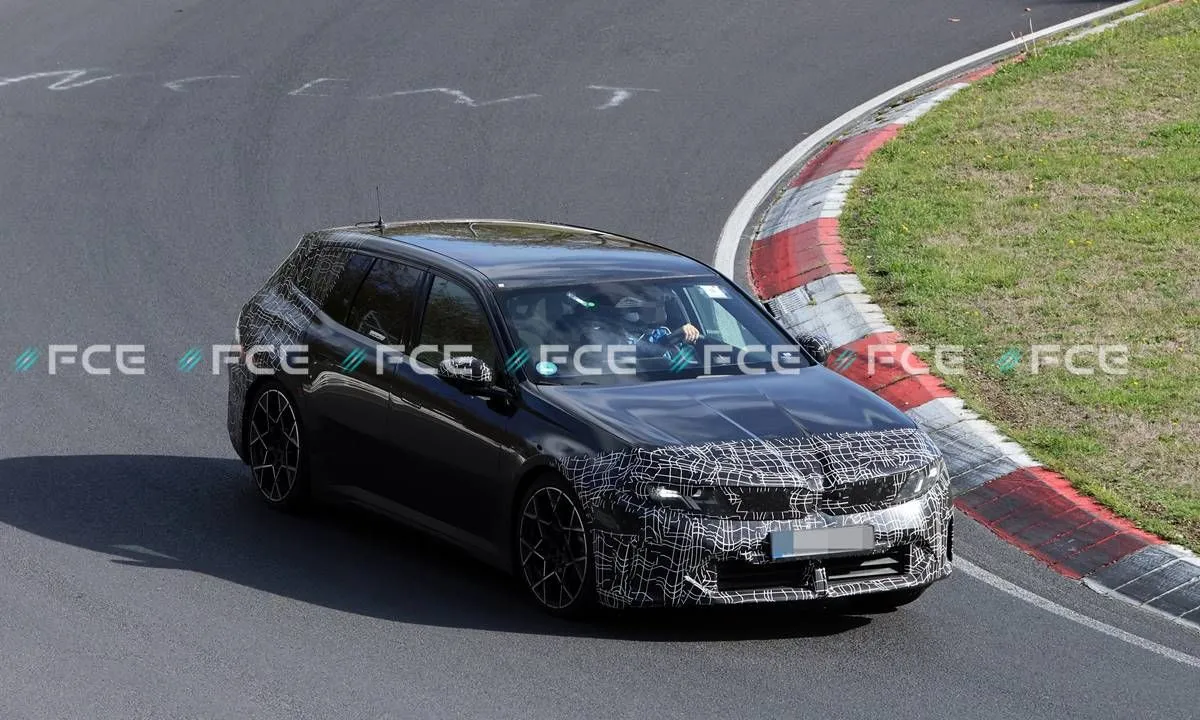
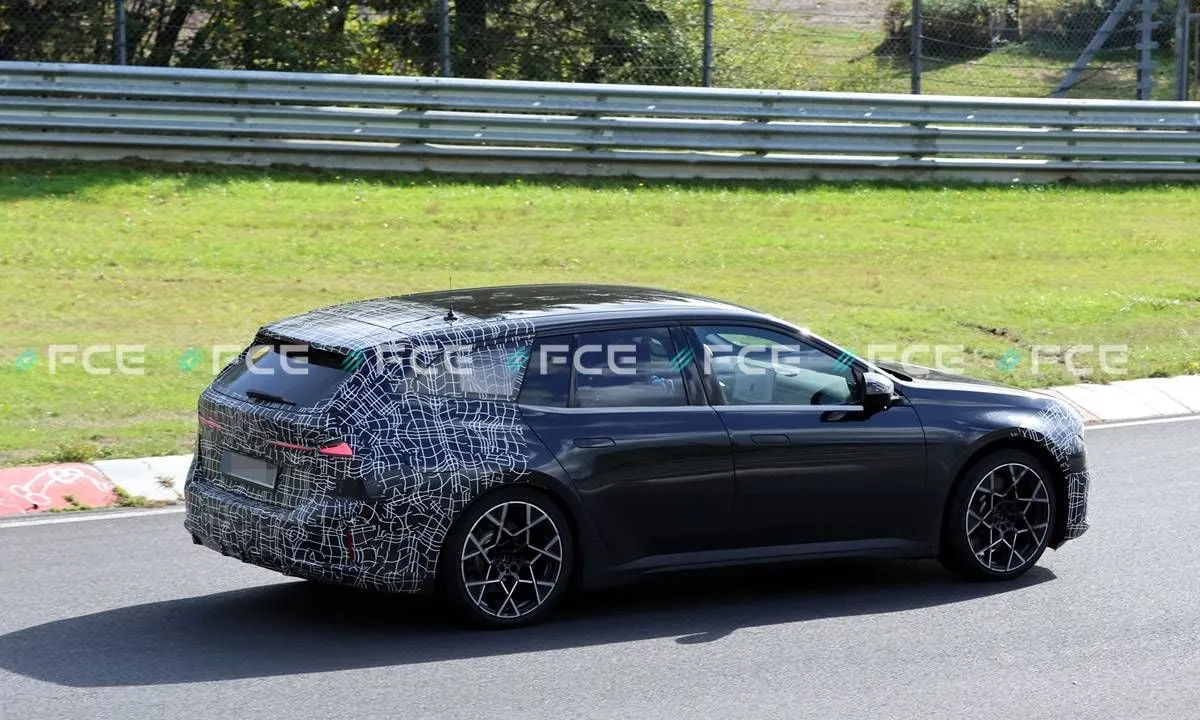
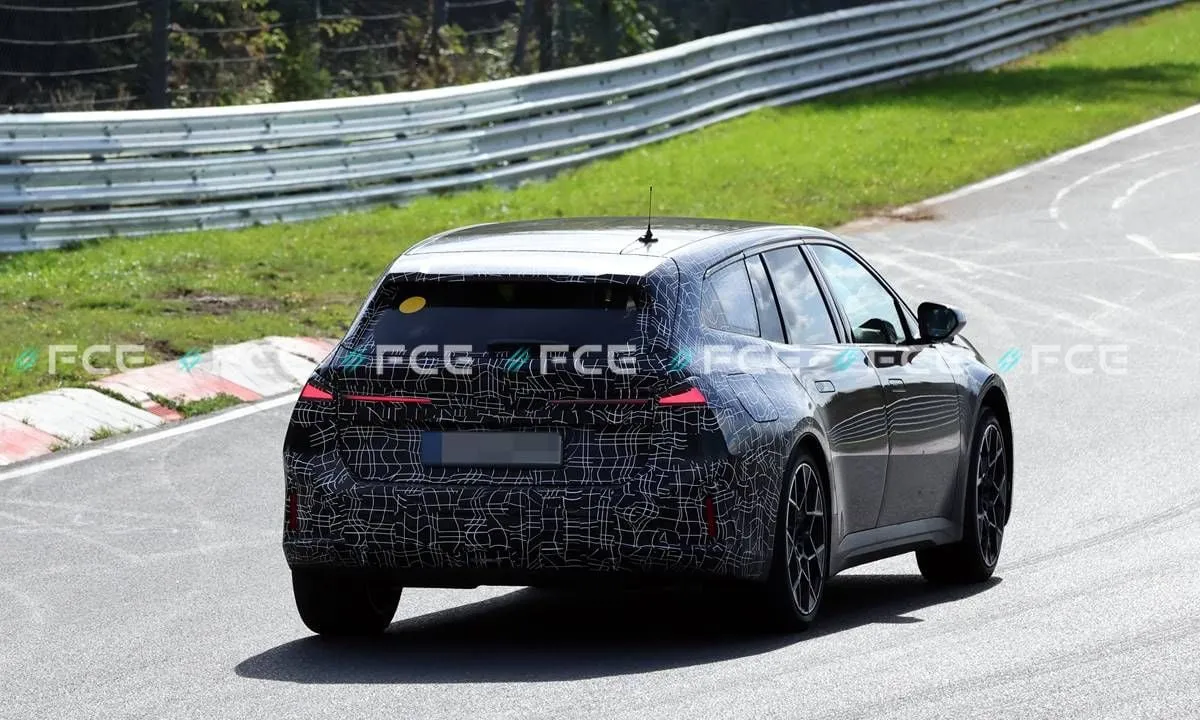
The model has not yet been unveiled, and the images showing its appearance are renderings, not official photos of the final vehicle. However, prototypes have already been seen undergoing tests near Nürburgring, with a launch expected in 2027. This concept targets those who want an all-around electric car with a family-oriented body style as an alternative to the ubiquitous SUVs.
BMW i3 Touring: Range for Traveling and Space for Charging
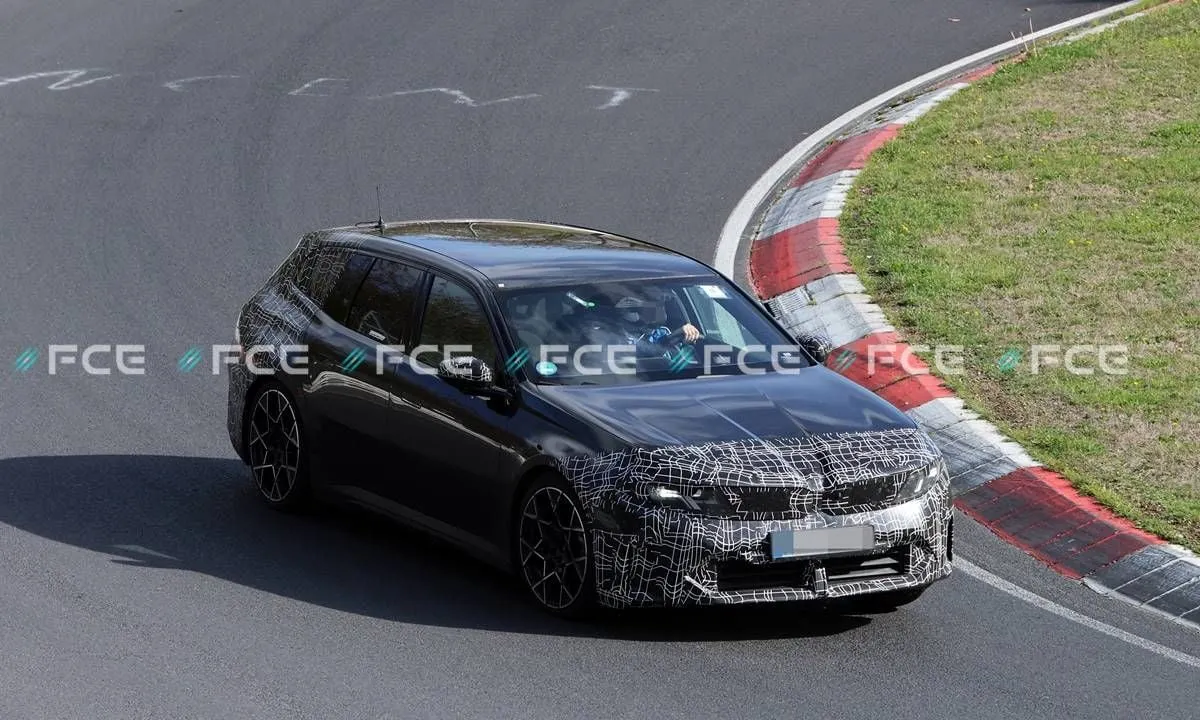
The design should retain most of the features of the i3 Berlina, especially in the front end. The most significant changes will start from the central pillar, with an extended roof toward the rear and a new trunk lid. This transformation will allow for better utilization of space above the trunk and give the Touring the silhouette that appeals so much to family car buyers.
The practical benefits won’t depend solely on the engine capacity listed in the specifications. A higher opening makes it easier to load a stroller, large suitcase, or sports equipment. It also simplifies making use of space by folding down the rear seats, which is particularly useful for those who need to transport long or bulky items frequently.
BMW has not yet released the trunk capacity of the Touring model or the dimensions of its loading hatch, so we will have to wait to determine the extent of the improvement. Nevertheless, the family-oriented body style suggests a more usable interior space, especially in terms of headroom, along with much more convenient access compared to the sedan version. For many buyers, this will be the deciding factor in choosing it.
The other major highlight will be found under the hood. The future family car will use the Neue Klasse architecture, equipped with the sixth-generation eDrive electric system and 800-volt technology. It is expected to share much of its mechanical setup with the sedan, featuring a platform that combines high performance with an especially ambitious range for a car of this size.
For reference, the BMW i3 50 xDrive sedan has two motors, all-wheel drive, and a combined power output of 345 kW (469 horsepower), along with 645 Nm of torque. Its battery has a capacity of 108.7 kWh. These figures come from the already existing model and are used to gauge the potential of the Touring version, though they still do not constitute confirmed technical specifications for the family car.
There is an update regarding autonomy compared to the manufacturer’s initial announcements. BMW initially presented the sedan with up to 900 kilometers WLTP range, but its Spanish specifications now show a maximum of 912 kilometers WLTP, depending on the configuration. The Touring version is likely to have a slightly lower range due to differences in body design, aerodynamics, and weight, although its final figure remains pending.
Even with that reduction, the overall package remains very attractive. For those who use the car daily as well as for long trips, having such a large range reserve provides flexibility in choosing where to stop. Coupled with an easier-to-load trunk, it can serve particularly well as the family’s only car.
Charging is also part of this travel-oriented package. The sedan supports up to 400 kW of charging power and claims a minimum of 21 minutes to go from 10% to 80% charge. The specific figures for the Touring model will need to be confirmed, but sharing this technology would allow its range to be extended through relatively short stops when charging is necessary during trips.
There are still important questions to be answered, starting with the price and then the versions that will arrive in Spain. We also don’t know exactly how much the cargo space will increase. But the concept already makes a lot of sense: retaining the qualities of the i3 while adding the versatility that some drivers lack in a sedan.
The BMW i3 Touring could become the perfect electric car for many people precisely because of this. It will have more than enough power, but what might truly convince people is something more everyday: the ability to go on a trip with the whole family, load luggage without hassle, and choose the first stop based on the desire to rest.