
The rise of electric cars is sparking a new conflict in community garages: "I’m not going to use it, why do I have to pay?
17/09/2026 15:00
Updated to
17/09/2026 15:00
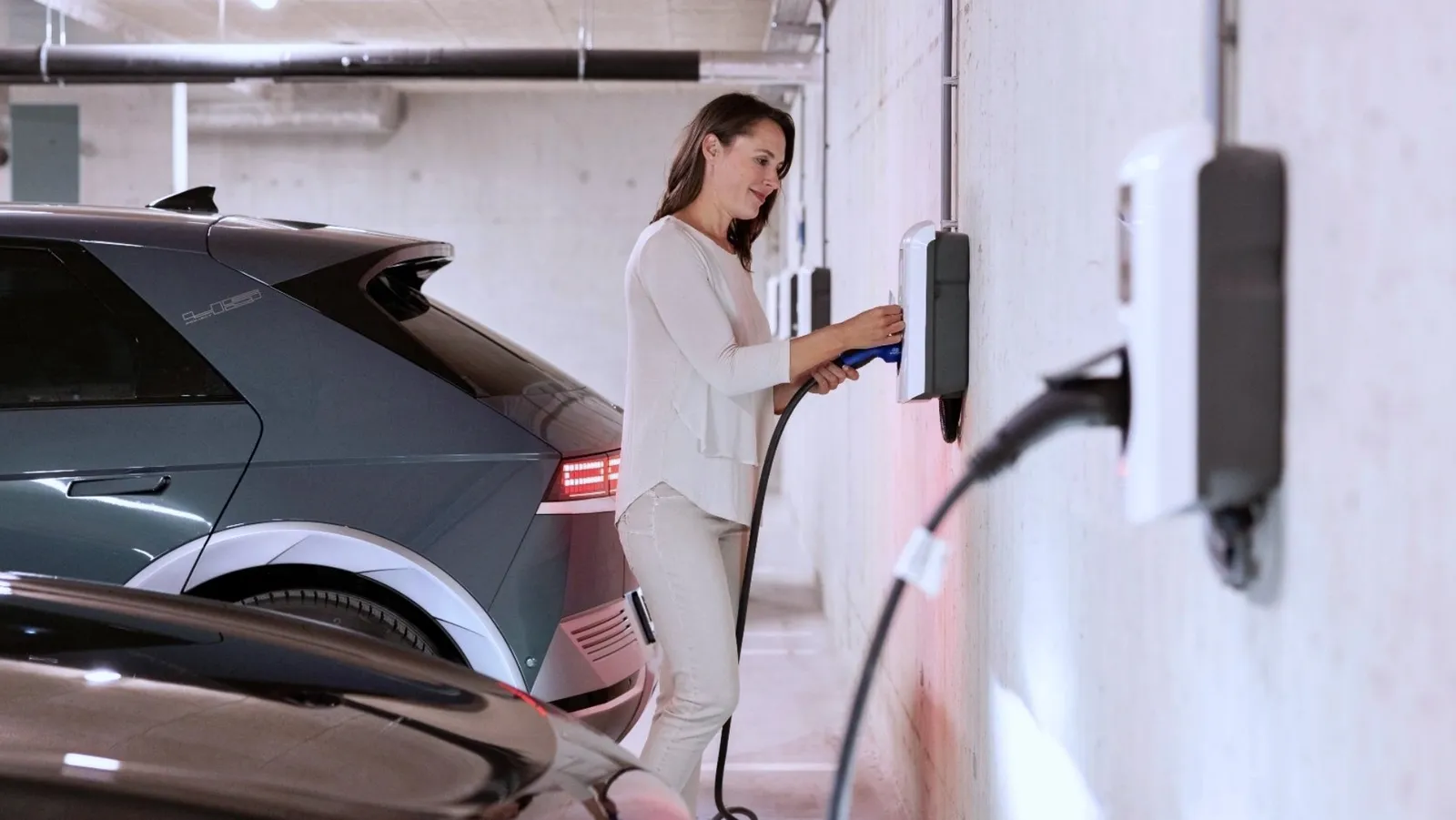
The expansion of electric vehicles is introducing a new source of friction in many owner communities: the installation of chargers in garages. What was once a rare occurrence just a few years ago is becoming increasingly common, forcing managers and neighbors to address issues related to construction, cost sharing, or the use of shared facilities.
The problem is likely to worsen as the number of electric vehicles increases. In August alone, 21,292 electric and plug-in hybrid vehicles were registered in Spain, 28% more than the previous year. From January to August, the total reached 208,611 units, representing an overall growth of 33.6%, according to the latest data from AEDIVE and GANVAM.
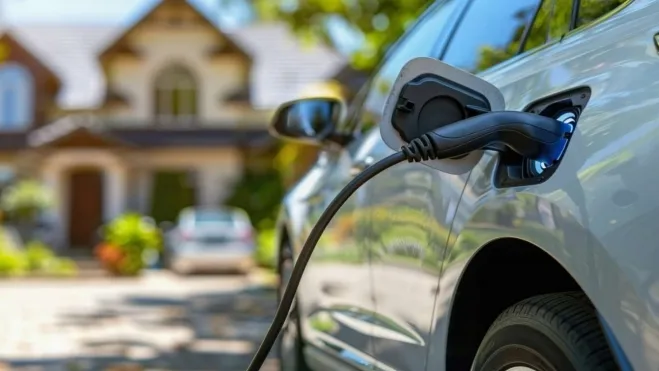
Installing a private charger does not require community permission
The Supreme Court reinforced this interpretation in December 2025 by resolving a dispute that originated years earlier in a community in Villajoyosa, Alicante. The ruling states that no specific authorization is required either, as long as the cables pass through or are attached to common areas, unless such actions cause unnecessary or disproportionate harm or affect the other property owners.
In practice, one of the most common solutions is to connect the charger to the household’s power supply by running a cable from the meter panel to the designated area. This route may require passing through multiple floors or common areas, significantly increasing the cost of certain projects. A complete individual installation can range from approximately 1,000 to 2,500 euros, depending on the distance, required protections, and complexity of the work.
A shared infrastructure prevents each neighbor from installing their own system
The alternative is to prepare the garage together so that owners can connect their chargers as needed. In a community with around 50 parking spaces, such an infrastructure can cost approximately 10,000 to 20,000 euros, though the figure depends on the building’s characteristics and the technical solution chosen.
This system allows for centralized piping, preventing the need to run separate lines through walls and ceilings for each new vehicle. Technical regulations specify collective systems and various power supply schemes for parking lots, requiring that the installations comply with ITC-BT-52 of the Low-Voltage Electrical Code.
The situation is different in newly built residential buildings. These must already have wiring that allows for 100% electricity supply to all parking spaces in the future, so that the subsequent installation of chargers does not require redoing the entire electrical infrastructure of the garage.
Safety, insurance, and available power complete the discussion
In addition to economic considerations, safety-related issues are also important. Regulations permit charging in communal parking lots as long as the installation meets the corresponding technical requirements, and they set specific standards for circuits, protections, meters, and power capacity. For this reason, it is particularly important that the work be designed and carried out in accordance with the Low-Voltage Electrical Code.
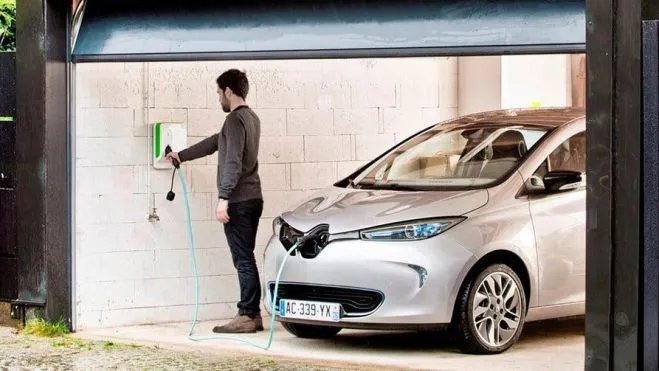
Difficulties may also arise in independent garages or resident parking lots that lack the same electrical infrastructure as residential buildings. In such cases, solutions have emerged where a company installs a charging panel and network, measures each user’s consumption individually, and then bills for the energy along with a monthly fee.
This approach shifts part of the initial investment to the operator and addresses a scenario that is becoming increasingly common: adapting garages designed decades ago to a mobile fleet where more and more vehicles will need to connect to the grid.