
The diesel hole in Europe’s budget is unsustainable: a daily cost overrun of over 200 million euros
25/09/2026 11:30
Updated to
25/09/2026 11:30
Add Hybrids and Electric Vehicles as Google’s preferred source for free.
Stay informed with the latest news updates.
Activate now
The energy model that has supported mobility in Europe over the past few decades is facing severe financial and structural challenges. The high reliance on imported fossil fuels, coupled with volatility in international oil markets, has created a situation where the operational costs of traditional transportation continuously strain the economy of the community.
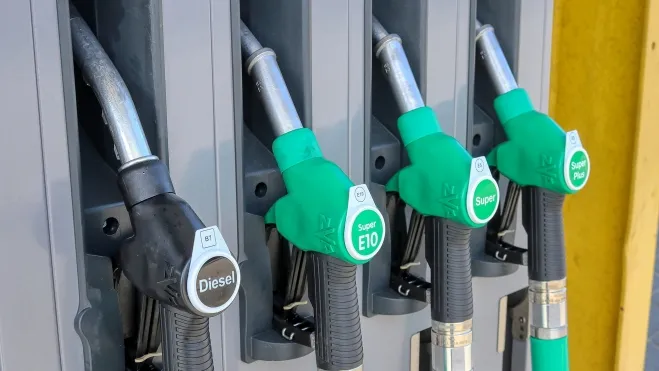
A detailed analysis by T&E reveals the extent of this energy dependence. According to the study, diesel use in the EU’s vehicle fleet results in daily costs exceeding 200 million euros in direct extra expenses compared to efficient mobility scenarios. This figure reflects not only the final price paid by consumers at the pump but also the transfer of funds to third countries that export crude oil, fluctuations in refining costs, and other factors.
A brutal impact on European economies
The extra cost resulting from diesel consumption is not distributed evenly, but it affects both goods transportation and individual consumers. Every day, the trade balance of member countries experiences an outflow of capital exceeding 200 million euros just to meet the demand for this fuel. This expense reduces the investment capacity of logistics companies and decreases households’ disposable income, creating a structural vulnerability in the face of any rise in international Brent crude prices.
The root cause of this economic penalty lies in the high energy intensity still associated with diesel in European transportation, a sector where its historical adoption has been promoted for years through tax incentives. Today, this market share results in ongoing operational costs. Unlike electricity, which can be generated from local, renewable sources at increasingly low marginal costs, diesel keeps Europe exposed to highly complex external supply chains subject to geopolitical tensions that raise the final price of the product.
The challenge of accelerating the transition to protect competitiveness
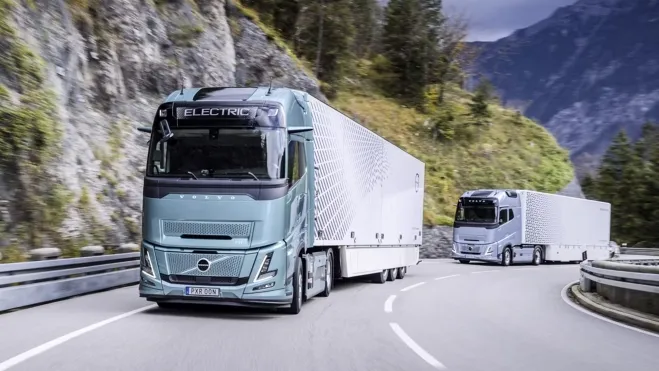
This daily extra cost poses a direct challenge to the European Union’s mobility and competitiveness policies. Delays in renewing commercial fleets and maintaining an aging vehicle fleet prolong reliance on diesel, increasing the logistics costs for European companies compared to regions where electrification is advancing at a faster pace.
To reduce this impact, experts emphasize the need to align fiscal policies with energy efficiency goals by eliminating the relative advantages that diesel still holds in certain markets, and redirecting those resources toward developing fast-charging infrastructure and providing support for fleet renewal. Minimizing the daily cost of diesel is not only an environmental objective but also a measure of sovereignty and economic stability to prevent mobility from remaining one of the biggest capital drains on the continent.