
ADAC tests V2L and reaches a clear conclusion: it works, but it has a major problem.
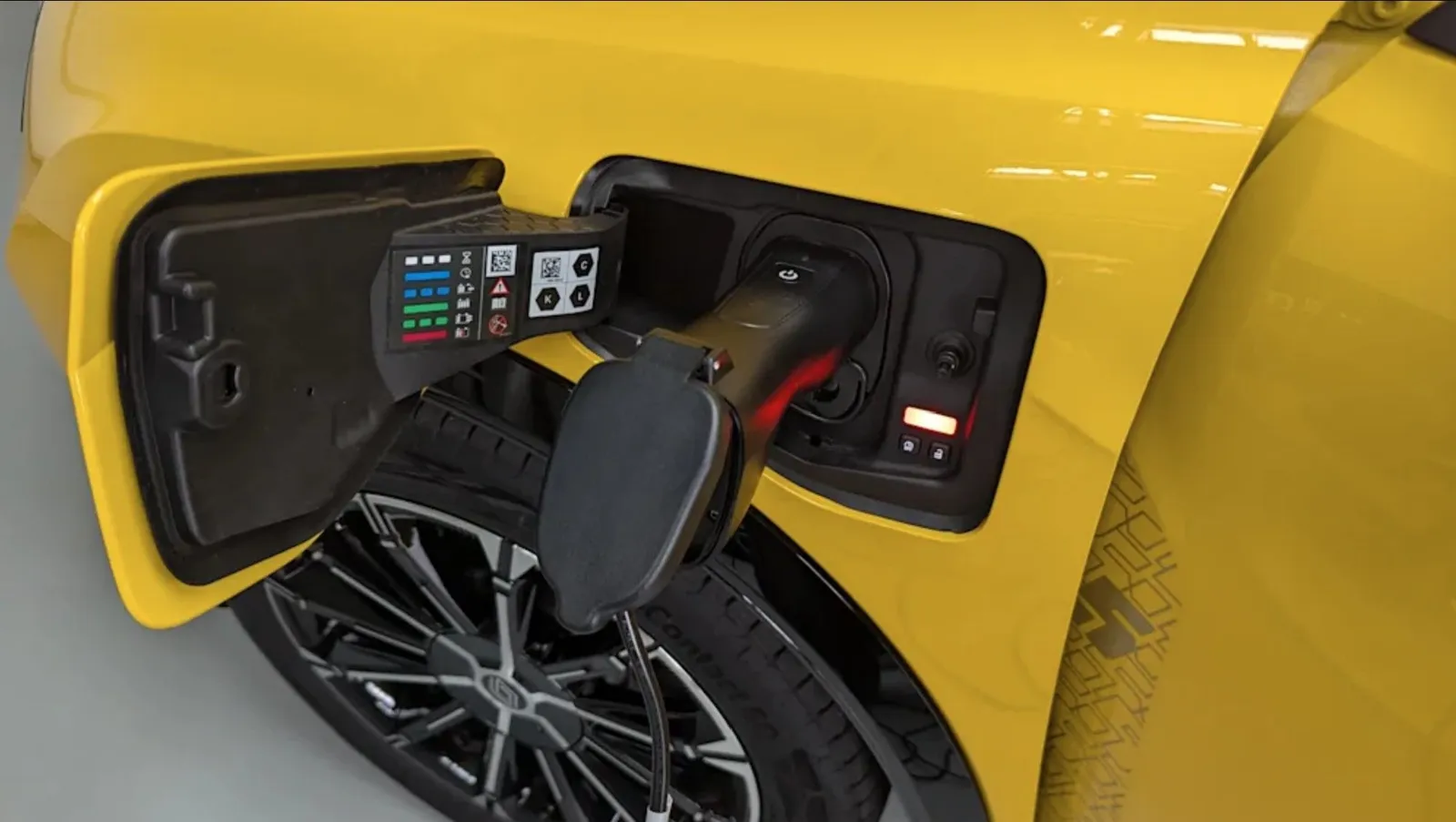
The German Automobile Club (ADAC) wanted to examine what happens in real situations as well as in less common scenarios, such as overloading or short circuits. To do this, they tested the V2L system in six current electric vehicles and came to a fairly clear conclusion: the technology works and is safe, but it still has several areas that need improvement before it can be considered fully ready for daily use.
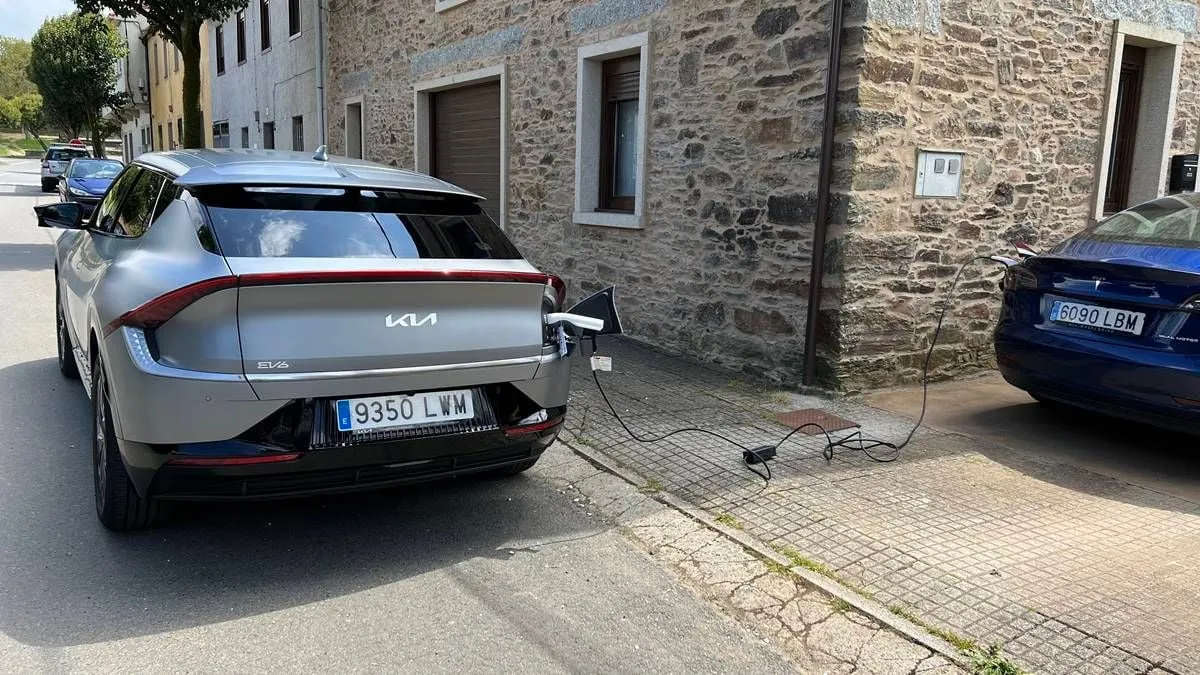
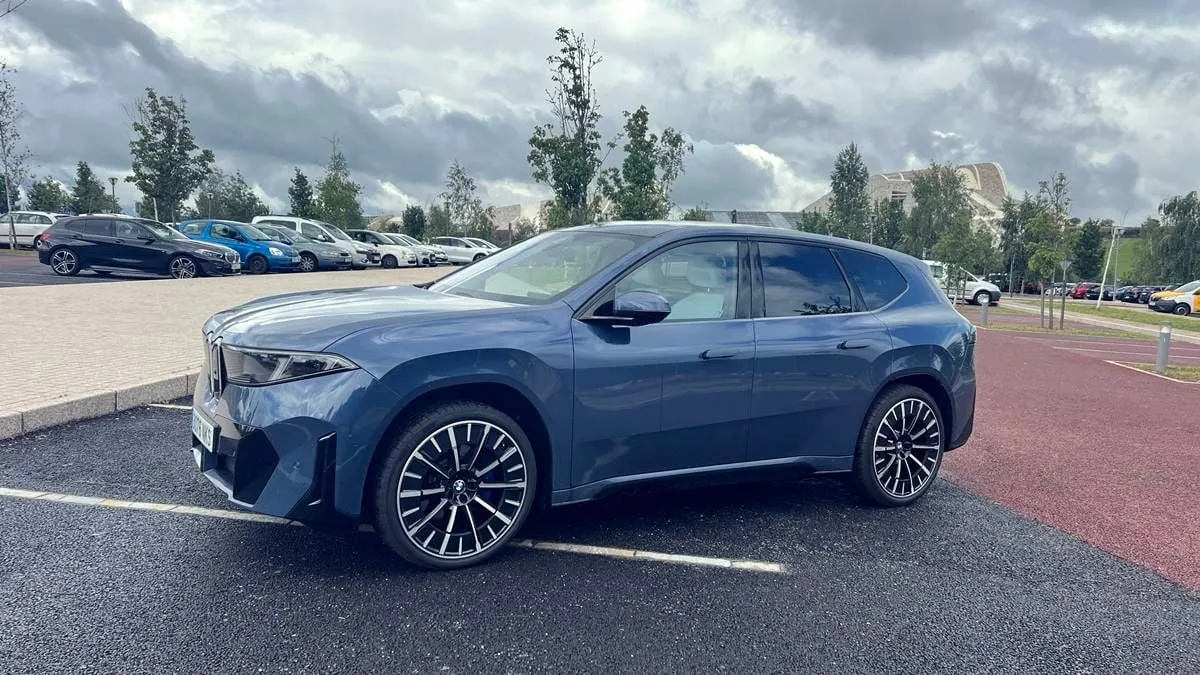
The test included the BMW iX3, BYD Seal, Kia EV5, MG4, Renault 5, and XPeng G9. In each case, the manufacturer’s original adapter was used to convert the car’s charging port into a standard power outlet. The goal was not only to determine how much power they could deliver but also to examine their response to situations that arise when electrical tools or devices are connected.
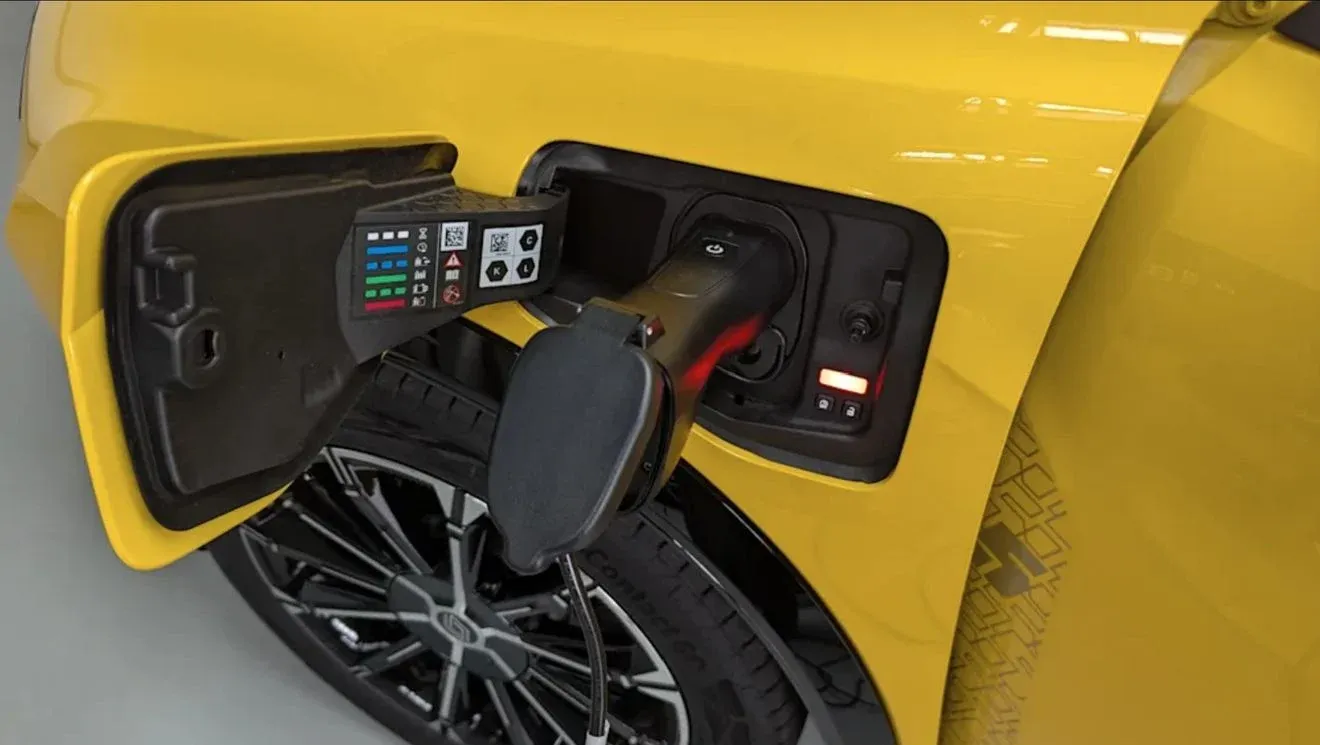
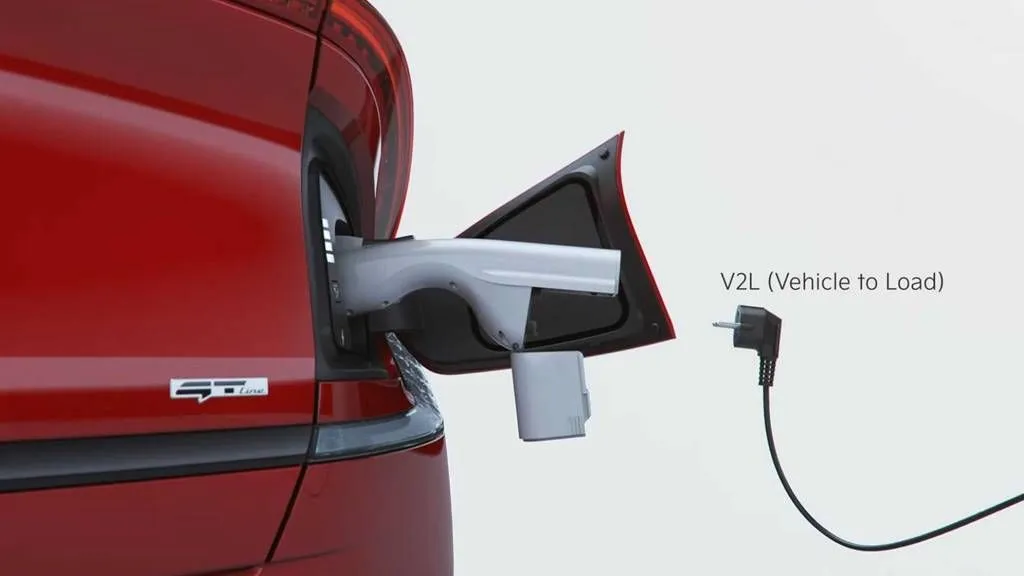
The concept behind V2L is simple. An electric car has a battery with much higher capacity than what most of the devices we use daily require. Through an adapter, that energy can be transferred from the car to power a portable fridge, coffee maker, electric bike, garden tool, or even an electric machine.
In theory, it represents a particularly interesting solution for areas without electrical outlets. The car thus becomes a kind of portable battery we carry with us, capable of providing electricity for hours. But when used continuously, some drawbacks arise that aren’t always clear at the time of purchasing the car.
V2L works, but the user experience varies greatly depending on the car.
The most important aspect of the ADAC’s test is likely the one related to safety. The technicians deliberately induced overloads and short circuits to see how the six electric cars would react. And the news is good: all of them cut off power when a problem was detected, and none suffered any visible damage.
No damage was found in either the vehicles or the adapters after a short circuit was induced. The cars continued to function normally, and the high-voltage electrical systems were not affected. In other words, at least from an electrical protection perspective, V2L proved to be much more mature than it might seem.
The starting currents were also analyzed. This is important because an electric tool may require much higher power for a brief period when starting up than during normal use. An overly strict response from the vehicle could cause a tool to disconnect every time it is started.
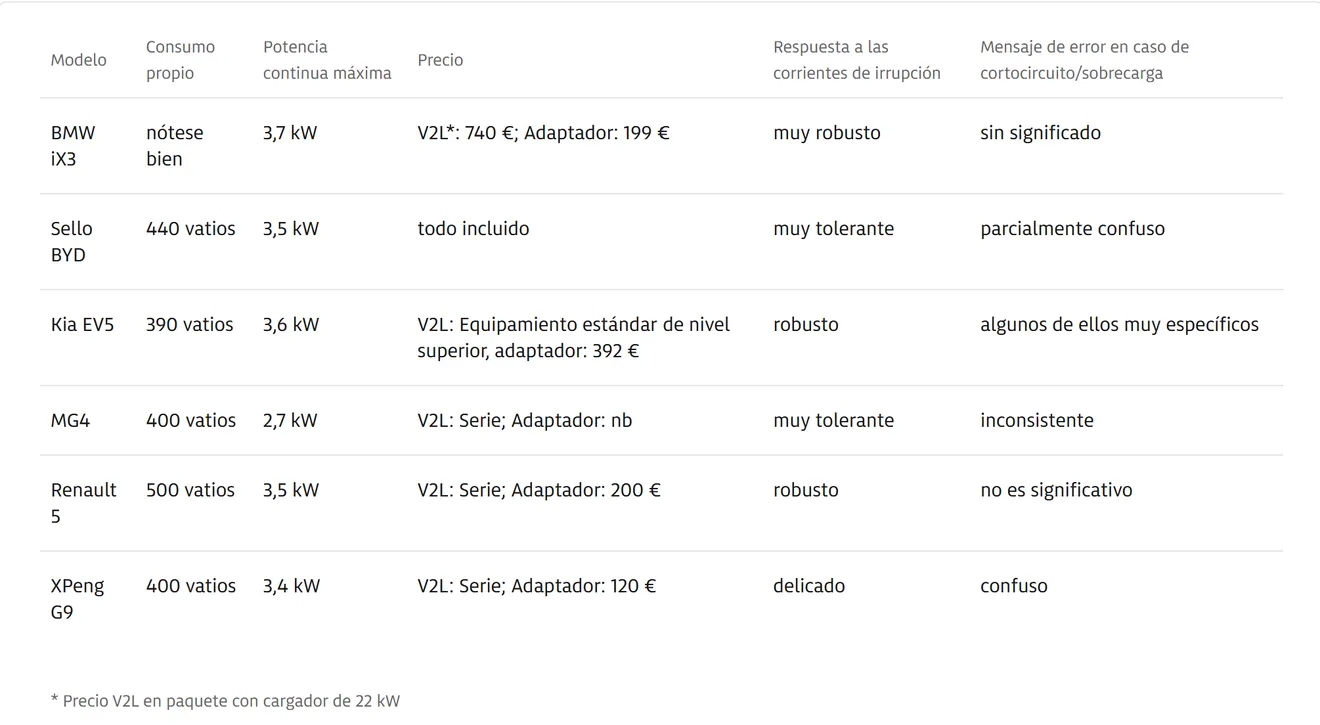
There were differences among the models here. The maximum measured continuous power ranged from 2.7 kW in the MG4 to 3.7 kW in the BMW iX3, with the rest falling somewhere in between. The BMW iX3 also allowed charging at 4 to 5 kW for about ten minutes before the system disconnected. This ability to temporarily accommodate higher power can be useful, especially with tools that need a high surge when starting up.
The performance of the six cars was quite reasonable from an electrical standpoint. The problem arose elsewhere: in how the car informs the driver of what is happening.
The activation of V2L also varies across models. With the BMW iX3 and XPeng G9, simply connecting the adapter and waiting a few moments is sufficient. The BYD Seal and Kia EV5 require pressing a button on the adapter itself, while the MG4 allows activation via the car’s screen. The Renault 5 also requires using the adapter button, but holding it down for a longer period of time.
It might seem like a minor detail, but it becomes significant when the user doesn’t understand why the system isn’t working. A function intended for use outside the home should be as simple as possible, especially when connecting it while at a campsite, in the garden, or next to a tool.
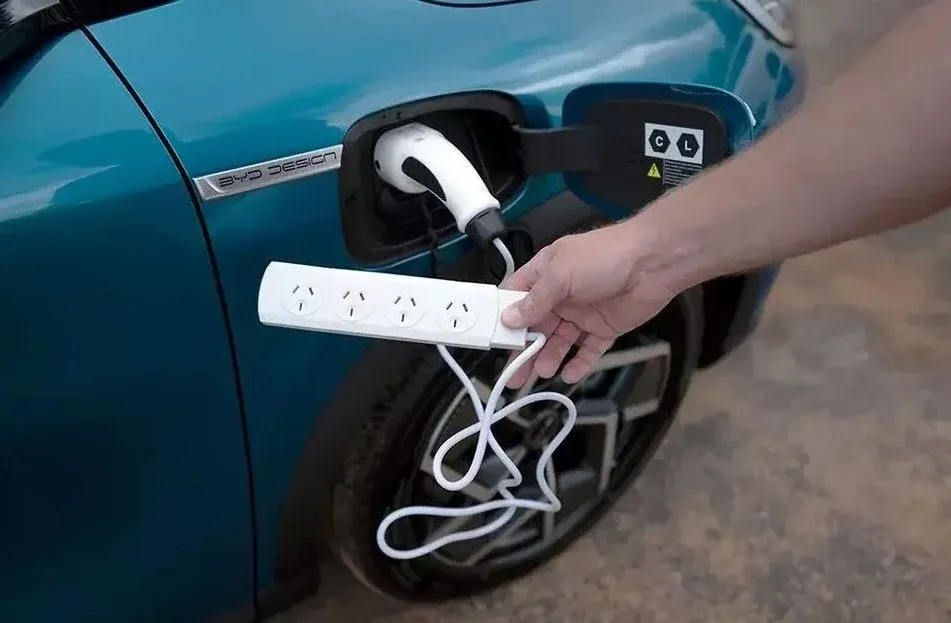
Error messages are another weakness identified by the ADAC. In some cases, the car accurately detects an overload or short circuit, but the information provided to the driver is little useful. Messages about an incompatible device appear, or even recommendations to go to a repair shop.
In the case of the BYD Seal, for example, the system may request that the customer contact customer service or check the built-in charger. The problem was that the ADAC technicians knew full well they had caused the overload or short circuit themselves. The car was aware of this too, but it did not explain it properly to the driver.
The Kia EV5 provides slightly clearer information by displaying a message about excessive power consumption. However, ADAC points out that this same indication can appear when there is a short circuit as well, so it also does not allow for an accurate identification of what happened.
The Renault 5 presents one of the most striking cases. After causing a short circuit, technicians found that V2L would not work again simply by unplugging and replugging the adapter. The car needed to enter a dormant state to restore the system.
The procedure was not particularly intuitive: one had to unplug the adapter, exit the car, and keep the key away for several minutes. Most strikingly, according to ADAC, the steps needed to restore V2L functionality were not explained in the user manual. Technicians had to figure it out on their own.
There is another issue affecting the six tested cars that is quite significant when considering real-world use. All manufacturers prohibit using V2L in the presence of humidity or rain. This is striking because one of the situations where having a portable power outlet is most useful is outdoors.
Some adapters come with features designed to protect them from rain, but the manufacturers’ instructions still do not allow their use under such conditions. ADAC also did not test whether the adapters can actually withstand rain, so there is no independent conclusion on this matter.
And then there’s the issue that is likely to have the greatest impact on those who want to use the car as a portable battery for extended periods: the V2L system’s own power consumption is high.
The ADAC measured self-consumption between 390 and 500 watts in five of the six cars. It was not possible to determine this figure for the BMW iX3. This is a considerable amount, considering that this energy does not reach the connected device but is simply used to keep the system that provides it running.
The measured values were 440 watts for the BYD Seal, 390 watts for the Kia EV5, 400 watts for the MG4, 500 watts for the Renault 5, and 400 watts for the XPeng G9. The maximum continuous power was 3.5 kW for the BYD Seal, 3.6 kW for the Kia EV5, 2.7 kW for the MG4, 3.5 kW for the Renault 5, and 3.4 kW for the XPeng G9.
This poses almost no problem when using an electric tool for a few minutes. If we connect a coffee maker, drill, or garden machine for a short period, the additional power consumption of the system itself is insignificant compared to the energy required by the device.
The situation changes completely with low-power devices that remain connected for many hours. The clearest example is a 50-watt portable fridge. In that case, the car might consume several hundred watts just to keep V2L active, even though the connected device requires very little power.
ADAC itself uses a consumption figure of around 450 watts as a reference to explain this issue. A car with a 60 kWh battery could keep the system active for approximately five and a half days if all energy were used solely to offset this internal consumption. Obviously, in real usage, the power consumed by connected devices would also need to be taken into account.
In a Renault 5 with a 40 kWh net battery and an own consumption of 500 watts, the situation becomes even more apparent. The system could remain active for several days, but once a device that runs continuously is connected, such as a 50-watt portable fridge, the energy range drops significantly.
This doesn’t mean V2L is a bad solution. It simply shows that it makes little sense to use it as a permanent power source for devices with very low consumption. For occasional use, the technology is much more logical.
It is also important to make a key distinction. V2L is designed to power individual devices through the appropriate adapter. This does not mean we can casually connect a car to a household electrical system and use it as an emergency power source. For V2H applications or as a backup power source for a home, it is necessary to examine the electrical conditions and use appropriate protections, something that must be done by a professional.
ADAC also reminds that directly connecting a vehicle to a home or certain installations may involve different electrical systems and require specific protective measures. Therefore, V2L should not be confused with having a complete domestic backup power system.
There is another issue related to the battery that often raises concerns as well. Using V2L occasionally does not mean the battery will degrade significantly just from powering a coffee maker or a tool. Research conducted by RWTH Aachen on bidirectional operation specifically examined the impact of such tasks on battery aging, showing that the effect depends on factors like charge cycles, state of charge, and operating strategy.
In practice, for a user who uses V2L occasionally during a trip or outing in the countryside, the additional energy consumption and battery usage are part of the system’s normal operation. A different scenario would be using the car regularly as a home energy storage solution, where more cycles and other factors come into play that need to be analyzed specifically.
Therefore, the ADAC test yields a quite interesting conclusion. V2L is neither a dangerous technology nor merely a marketing gimmick, but it’s also not as simple as plugging in a charger and forgetting about it.
The six electric cars tested were able to detect overload and short-circuit conditions and disconnect power without sustaining damage. The basic technology works. Where more work is needed lies in the user experience: activation, error messages, recovery after a failure, locking of adapters, and especially power consumption.
The result is particularly interesting because much of these issues don’t seem to require major hardware changes. An update to the car’s system could improve error messages, simplify certain processes, and explain much more clearly to the driver what happened and how to fix it.
V2L makes sense. Having a power outlet in the car without needing a generator can be very practical for camping, working in areas without electricity, or simply charging an electric bike during a trip. But for this feature to go from being an interesting option to a truly useful tool, manufacturers still need to improve the user experience significantly and reduce losses when it remains active for long periods of time.