
97% of people who own an electric car are satisfied: here are their reasons
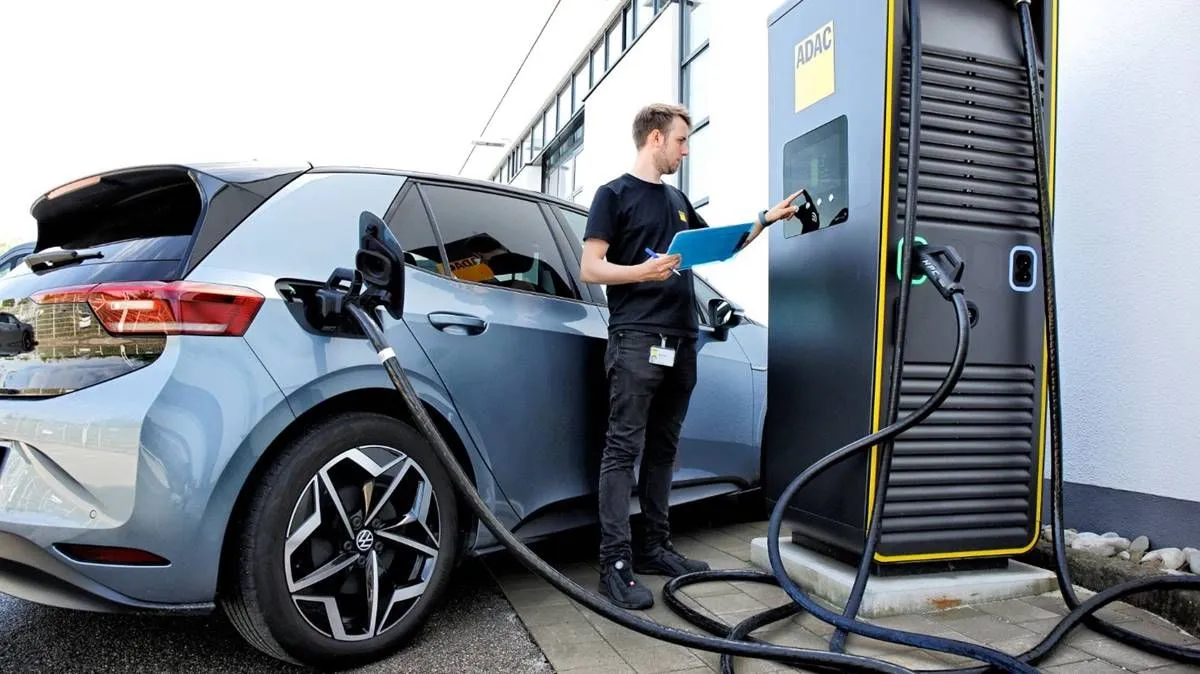
Autonomy, travel range, and charging capabilities, along with price, still dominate much of the conversation about electric cars. But those who already have one in their garage describe an experience that is far more favorable than what those concerns suggest. A survey reveals how they use them, what they value most, and where they still encounter problems. It also offers a warning: having an outlet at home has a significant impact on that experience.
The results of a survey conducted by Enedis, the French public company responsible for managing and maintaining France’s electricity distribution network, and carried out by the French institute CSA support this finding. CSA interviewed 1,009 individuals in July 2026. The sample includes owners of electric vehicles (BEVs) and plug-in hybrids (PHEVs), a crucial distinction since some figures combine both technologies. Overall satisfaction reaches 96%, five points higher than in the previous survey, but it rises to 97% among electric vehicle owners compared to 92% for plug-in hybrid users.
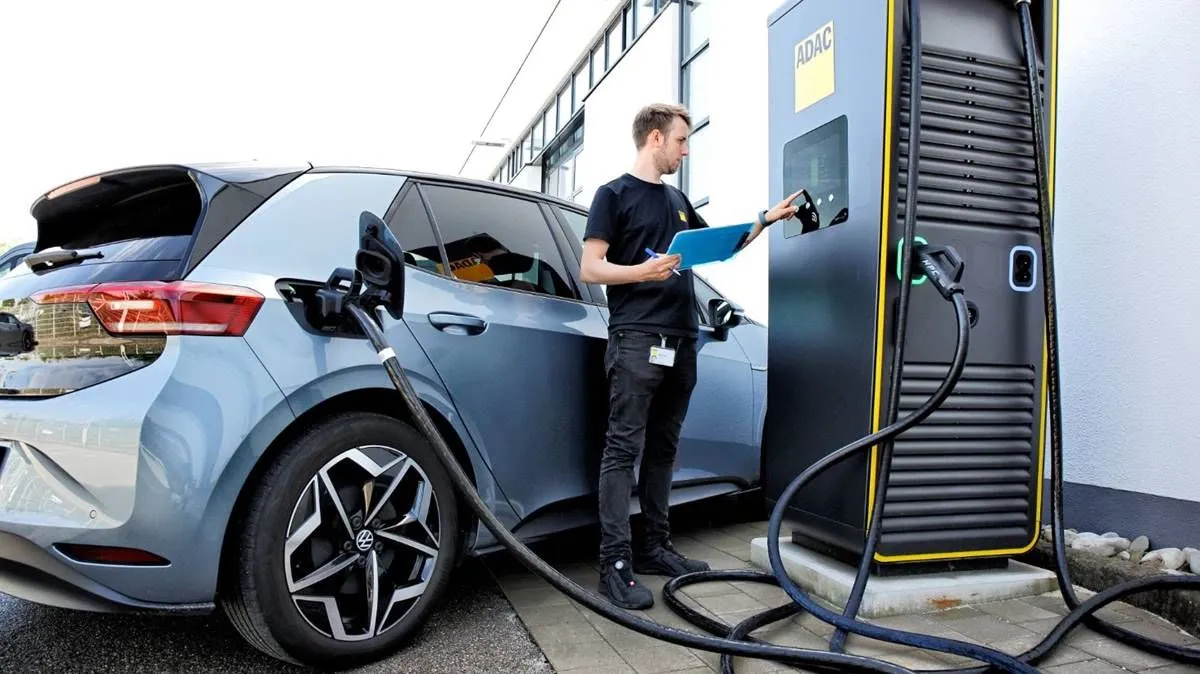
The main reason for satisfaction is closely related to cost. Savings during use was mentioned in 56% of responses, followed by driving quality and comfort, cited by 52%. For these drivers, spending less on fuel and enjoying a comfortable drive are strong arguments. This doesn’t eliminate the limitations, but it helps explain why a positive rating can coexist with specific criticisms.
The survey also challenges the notion that these cars are purchased solely for short trips. Respondents reported driving 15,432 kilometers per year, compared to approximately 11,600 kilometers for the internal combustion engine vehicles used as a reference by Enedis. The former figure includes electric and plug-in hybrid cars and represents the reported mileage, so it doesn’t allow attributing all that difference to technology. Nevertheless, nearly a third of those surveyed claimed to drive over 20,000 kilometers per year.
The frequency of use reinforces this image: 76% drive their car for more than five days a week, and in households with multiple cars, the electric vehicle is the primary one in 78% of cases. Additionally, 55% use their plug-in model for both daily commutes and trips or vacations. This last percentage has dropped slightly compared to the previous year, indicating widespread use, though not all indicators have improved.
Among electric car drivers who use them for leisure and vacations, half feel prepared to handle trips of at least 600 km with ease, allowing for stops to recharge. This shows confidence in traveling by electric car, but it still represents a slight decline from the previous 53%. It’s important to read the full data: it refers to that group of users and trips with recharging en route, not driving that entire distance in one go.
Recharging at home defines the experience; public charging still faces price issues

Home remains the primary location for charging for 81% of respondents, four points higher than in 2025. Among those living in single-family homes, this figure reaches 87%, while it is 48% in apartment buildings. There has been significant improvement in the latter case compared to the previous 38%, though the gap still indicates that access to charging spots continues to affect many buyers’ options.
Here lies one of the key factors in interpreting this study: 85% of the participants live in single-family homes. The survey focuses on those who have already purchased an electric vehicle, with a high proportion of households where installing a charger is relatively straightforward. Its findings are useful for understanding these users, but they do not reflect the conditions of all French drivers nor can they be directly applied to Spain.
To leave that home environment, public charging networks are essential. 71% of electric vehicle owners say they use them, mainly on weekends and during holidays. Among those who offered opinions on fast charging on highways, 66% believe the service is suitable for long trips, up from 54% in the previous survey. This is one of the most clear improvements identified in the survey.
However, having more infrastructure does not resolve all complaints. Price is the main aspect that needs improvement, cited by 48%, ahead of waiting times to use chargers at 26%. Issues with functionality come next at 18%, followed by location concerns at 17%. While the expansion of charging infrastructure is convincing more users, the cost of charging during trips remains an unresolved issue.
Criticism doesn’t vanish just because one is satisfied with the car. Range of motion causes dissatisfaction among 24% of participants, while charging difficulties affect 15%. Overall, the proportion of those citing at least one reason for dissatisfaction drops from 70% to 42%. These are different issues: someone can be happy with their purchase and still demand improvements in certain aspects of using it.
Another result stands out precisely because savings top the list of perceived benefits. Among those who charge at home, only 32% schedule their charging sessions always or almost always to take advantage of, for example, the cheapest hours. EDFI estimates that managing charging to choose the right time can reduce associated electricity costs by at least 15%, depending on the contract and habits. This reduction isn’t automatic—it requires that the tariff conditions permit it.
Finally, 29% of electric car owners say they feel the need to charge regularly, regardless of the battery level remaining, up from 21% previously. This does not mean they are mishandling their batteries—more information about battery chemistry, charging limits, and manufacturer recommendations would be needed to conclude that. It does show, however, that having ample range still provides peace of mind, even among users who have very positive opinions of their cars.