
ECOFACTOR aims to establish over 300 locations in Poland
– Sponsored content –
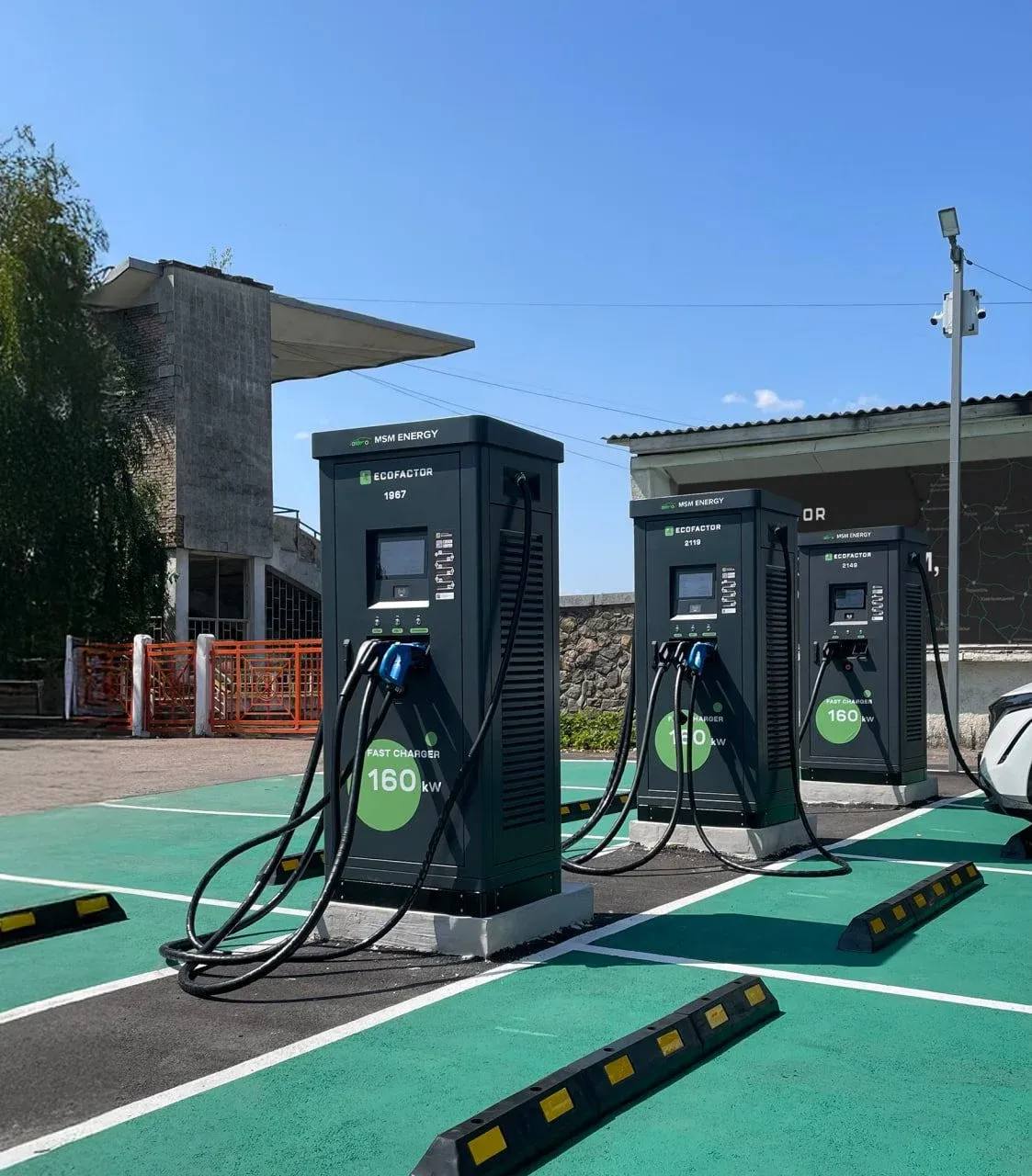
The charging infrastructure market is increasingly focusing on higher power ratings. ECOFACTOR aims to look at network development from a slightly different perspective: not every location needs a fast DC charger, and wattage isn’t always the most important factor.
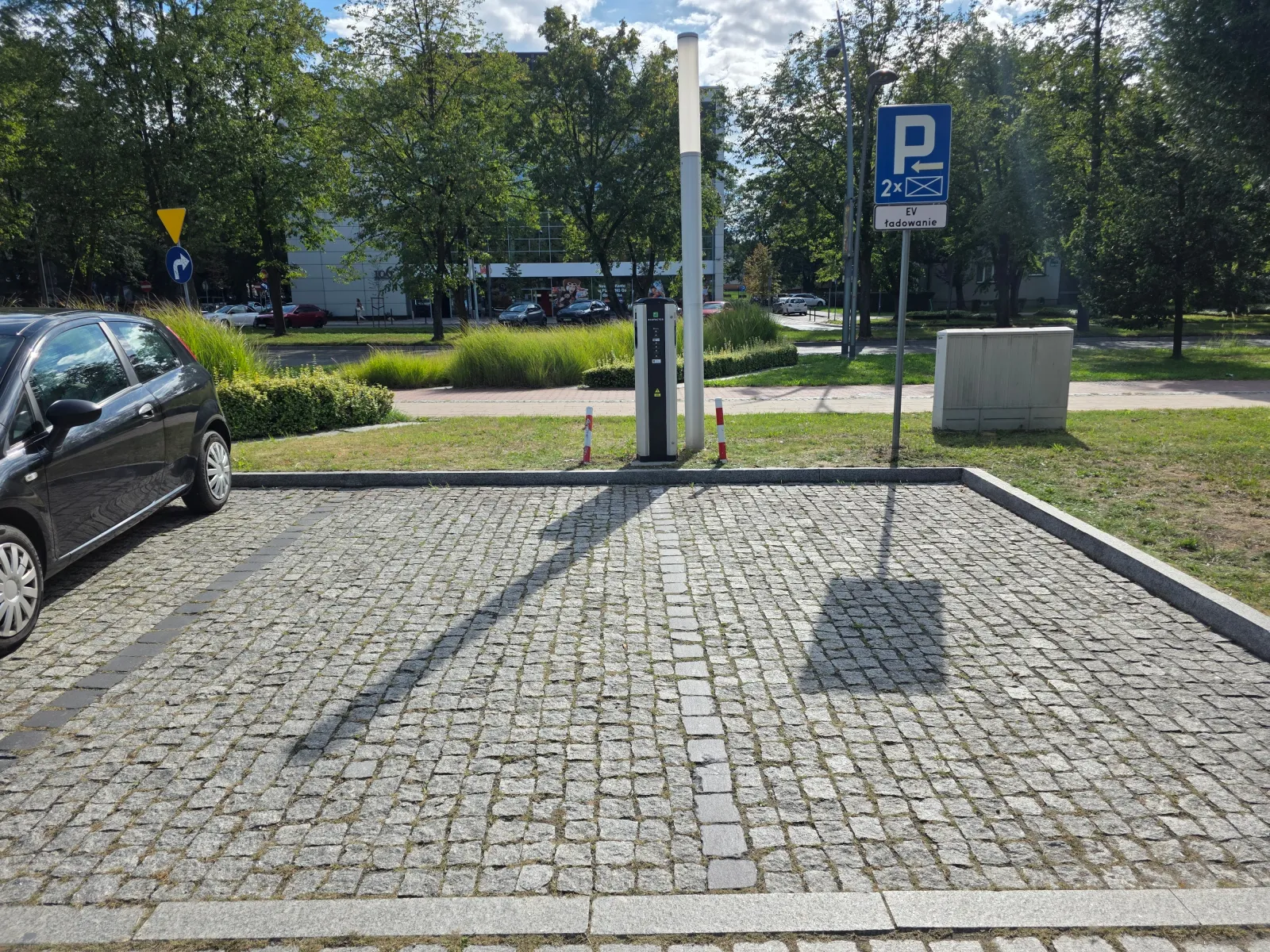
In places where a car stays parked for several hours—such as near offices, residential areas, shops, parking lots, or recreational facilities—AC charging can be a natural part of daily electric vehicle use.
Tychy as the first test site for the urban model
The first example of this approach is Tychy. ECOFACTOR has set up 11 AC stations there in various parts of the city, including near recreational areas, sports facilities, hospitals, and locations related to residents' daily activities.
The company aims to develop a similar model in other cities as well. The plan is simple: instead of creating individual charging stations scattered across the country, the operator will set up more locations within a specific city, ensuring that the infrastructure is easily accessible along drivers’ daily routes. Cities included in the plans are Ruda Śląska, Bytom, Częstochowa, Tarnów, Lublin, Łódź, and Szczecin. Ultimately, Poland’s ECOFACTOR network is expected to have over 300 charging stations.
AC and DC instead of AC versus DC
Although ECOFACTOR is currently focusing on developing AC charging networks, this does not mean it is abandoning fast DC chargers. Free charging points are intended to play a major role in locations where vehicles naturally stay for longer periods. Fast charging will be developed in areas where short charging times, high vehicle turnover, or commercial transportation needs are critical, provided that technical conditions and available connection capacity permit it.
ECOFACTOR also aims to utilize existing infrastructure as long as it remains functional and meets technical requirements. Instead of replacing equipment merely because the operator has changed, the company keeps it in operation and modernizes the location only when it adds real value. This approach helps extend the lifespan of infrastructure and reduce unnecessary costs associated with equipment replacement.
One company offering manufacturing, software, and CPO services
ECOFACTOR has been advancing electromobility since 2015. The company started with projects to convert gasoline vehicles into electric ones, and later developed its own AC and DC charging stations, a CPMS platform, a driver app, as well as operational services.
This combination of several roles is also the foundation of the approach referred to by the company as CPO-to-CPO quality. ECOFACTOR designs solutions not only from the manufacturer’s perspective but also from that of the operator, who deals daily with uptime, maintenance, infrastructure costs, driver support, and site profitability. Therefore, in its Polish strategy, the company aims to integrate hardware, software, and operational expertise rather than treating the charging station as a single device.

ECOFACTOR at the New Mobility Congress
ECOFACTOR, as a member of PSNM, will also showcase its solutions at the New Mobility Congress in Katowice from September 23–25. At booth number 7, visitors can discuss the development of ECOFACTOR’s network in Poland, AC and DC solutions, as well as the CPO-to-CPO approach, and see selected devices from the company’s portfolio.
The products ECOFACTOR will display at the Congress include:
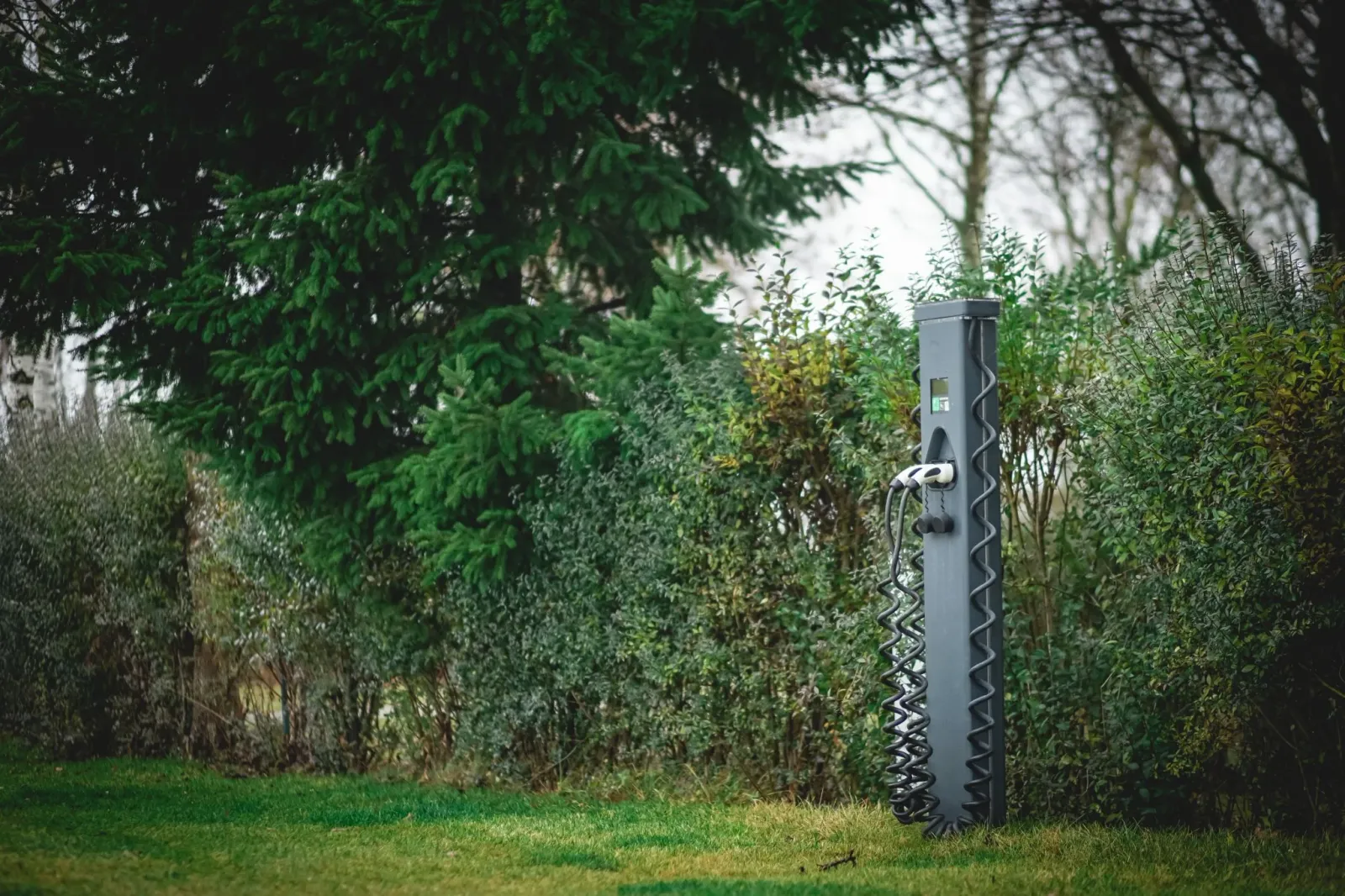
ECO Totem is a two-slot AC station with up to 22 kW per port, equipped with features such as dynamic load balancing, RFID, a 10-inch touchscreen, and an optional payment terminal. Its design is suitable for both indoor and outdoor use.
The second AC solution is ECO Wall – a compact wall-mounted station with two charging ports, also offering up to 22 kW of power, dynamic power management, RFID, and the possibility of integrating a payment terminal.
The fast charging segment will be represented by TOR Quattro, a family of commercial DC chargers developed for locations that require higher power and flexible configuration. This solution can handle multiple connectors, offers dynamic load balancing, a cable management system, RFID, a touchscreen, and an optional POS terminal.
In this way, the company aims to demonstrate in practice the philosophy behind its Polish strategy: AC charging where vehicles stay for longer periods, DC charging where speed and throughput are crucial, with an integrated ecosystem of hardware, software, and operator experience.