
Electric car residual values: gap to gasoline cars according to T&E smaller than initially apparent
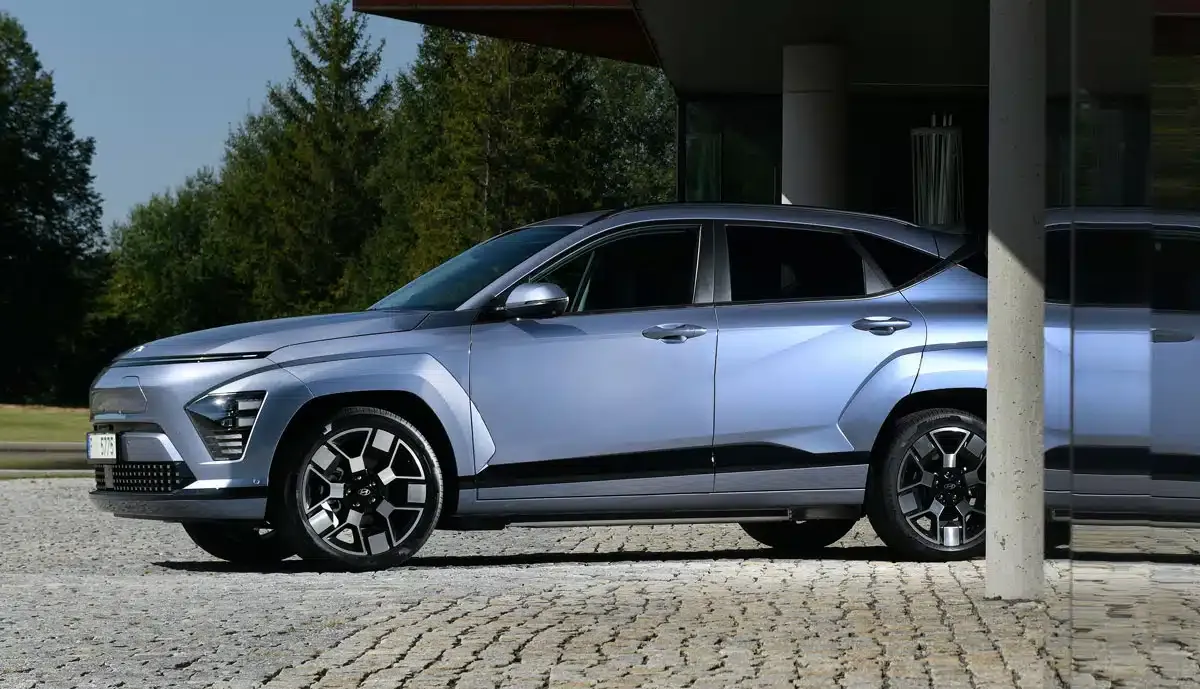
Image: Hyundai (illustrative)
In pure battery electric vehicles (BEVs), residual values initially appear lower than those of other vehicle types. However, according to Transport & Environment (T&E), part of this difference is due to temporary market dynamics, the design of policy measures, and falling prices for new BEVs.
When inflation, purchase subsidies, and purchase taxes are taken into account, the environmental organization states that the residual value gap between BEVs and gasoline vehicles will decrease from 12.9 to 7.7 percentage points by 2025.
Declining prices of new BEVs have significantly impacted the values of used electric vehicles. According to T&E, when comparing used electric cars with current new car prices, the gap compared to gasoline vehicles narrows to 2.6 percentage points. This suggests that buyers value used BEVs closer to gasoline vehicles than usual residual value figures indicate.
The analysts explain, “The BEV market does not move as a single bloc.” Spain shows stable residual values for BEVs, France remains relatively robust, while Italy experiences more significant declines. Smaller BEVs performed better than larger and more expensive models, and European brands tended to maintain stronger values.
Historically, BEVs would have lost more value as they aged and accumulated more mileage, but this gap is narrowing, according to T&E. Recent developments also suggest lower volatility and a gradual stabilization in the residual values of BEVs, indicating signs of growing market confidence.
Battery health certificates, manufacturer-backed used car programs, and stronger transferable warranties could reduce buyers’ uncertainty, the analysts say. Targeted financing options for used BEVs and improved tax incentives are also cited as potential solutions that could boost confidence and support stronger demand for used BEVs.
Also interesting
About the author
Thomas Langenbucher is an expert in electromobility with professional experience in the automotive industry and finance sector. Since 2011, he has been covering electric vehicles, sustainable technologies, and mobility solutions for ecomento.de. Learn more.
Reader interactions
