
Electric car travel in Europe: Things to keep in mind
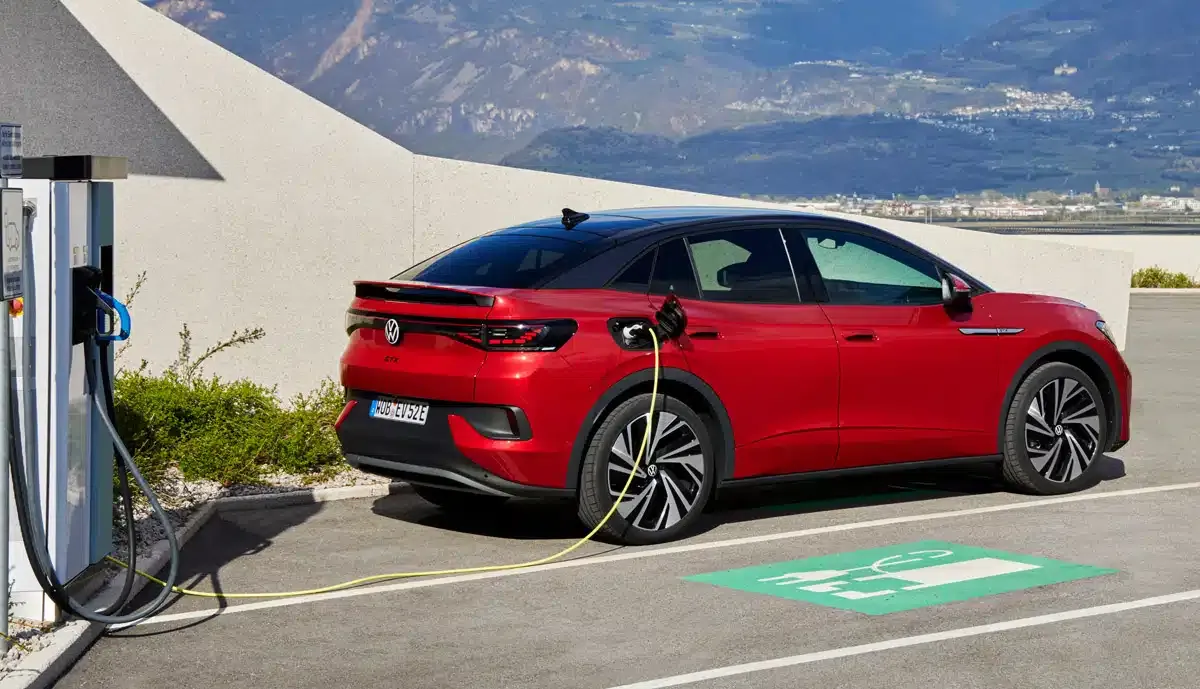
Image: VW
Traveling by electric car is feasible on many European routes without issues, though the charging infrastructure varies significantly by region. Central and Western Europe generally have a high density of charging stations, whereas remote destinations in Southern or Southeastern Europe require accounting for larger distances and supply gaps. Therefore, the ACE Auto Club Europa recommends checking charging stations, payment methods, and alternatives in addition to the route before setting off.
According to a recent ACE analysis, there is a high number and density of public charging points especially in Austria, Belgium, Denmark, France, Norway, the Netherlands, and Switzerland. The United Kingdom is also relatively well-covered. In Italy and Spain, charging is generally feasible along major traffic routes, while rural and southern regions as well as islands may have fewer options. In Finland and Sweden, cities and major highways are well-served, but charging facilities decrease as one moves further north due to the long distances.
In Poland, Slovenia, and Croatia, there are partial gaps, while in further southeastern Europe, southern Italy, and along routes toward Greece and Turkey, larger distances between charging stations can be expected. For such regions, charging stops should be determined in advance, and range reserves for alternative routes must be planned. An occupied, faulty, or incompatible charging station can otherwise cause significant delays.
Many German charging cards allow charging abroad through roaming, but they do not automatically cover all countries and providers. Depending on the provider, countries such as Norway, Great Britain, Hungary, or those in Southeast Europe may be missing. Additionally, some charging stations still only accept physical charging cards. Therefore, the ACE recommends having two to three free charging cards or apps from different providers and checking their country coverage in advance. Credit cards are considered the most reliable payment method.
Keeping an Eye on Charging Costs Abroad
The prices should also be checked before purchasing, as using a German roaming card can result in surcharges of up to 100 percent abroad. Local providers may offer cheaper plans, and registration from Germany can already be beneficial in such cases. For example, a local provider in Italy requires an Italian tax ID when opening an account on site, but this requirement is waived if registered from Germany first. As an alternative, ad-hoc charging without a fixed contract is available, which has been mandatory at new fast-charging stations in the EU since 2024.
Lithuania features particularly low charging prices according to the ACE overview. In the capital, Vilnius, the regular charge is 28.7 cents per kilowatt hour (kWh), which is roughly half the cost in Germany. Besides charging by kilowatt hour, time-based rates are more common abroad and can result in disproportionately high costs for vehicles that charge slowly. When using foreign currencies, billing in the local currency is usually cheaper than an immediate conversion to euros at the terminal.
Public charging stations in Europe primarily use the connectors familiar from Germany: Type 2 for alternating current and CCS for direct current. At fast charging stations, the cable is fixed in place, while at regular charging stations, one usually needs their own Type 2 cable. In non-EU countries such as Albania, Chinese GB/T connectors may also be found, requiring appropriate adapters for European vehicles. In some countries, including Italy, there are high-voltage connectors in public garages that can be used with portable wallboxes and matching plug adapters.
When taking ferry trips, it is advisable to check the requirements of each shipping company regarding battery charge levels before booking. On Greek ferries, the battery charge is often limited to at most 40 percent, while other ferry companies offer reserved charging spots on board that usually need to be booked in advance. For trips through Switzerland, it is also recommended to download charging stations and maps in advance, as many mobile phone plans there do not include free roaming.
Also interesting
About the author
Thomas Langenbucher is an expert in electromobility with professional experience in the automotive industry and finance sector. Since 2011, he has been writing for ecomento.de about electric cars, sustainable technologies, and mobility solutions. Learn more.
Reader interactions