
Electric Car Incentive: 100,000 Applicants Have Already Received Financial Support
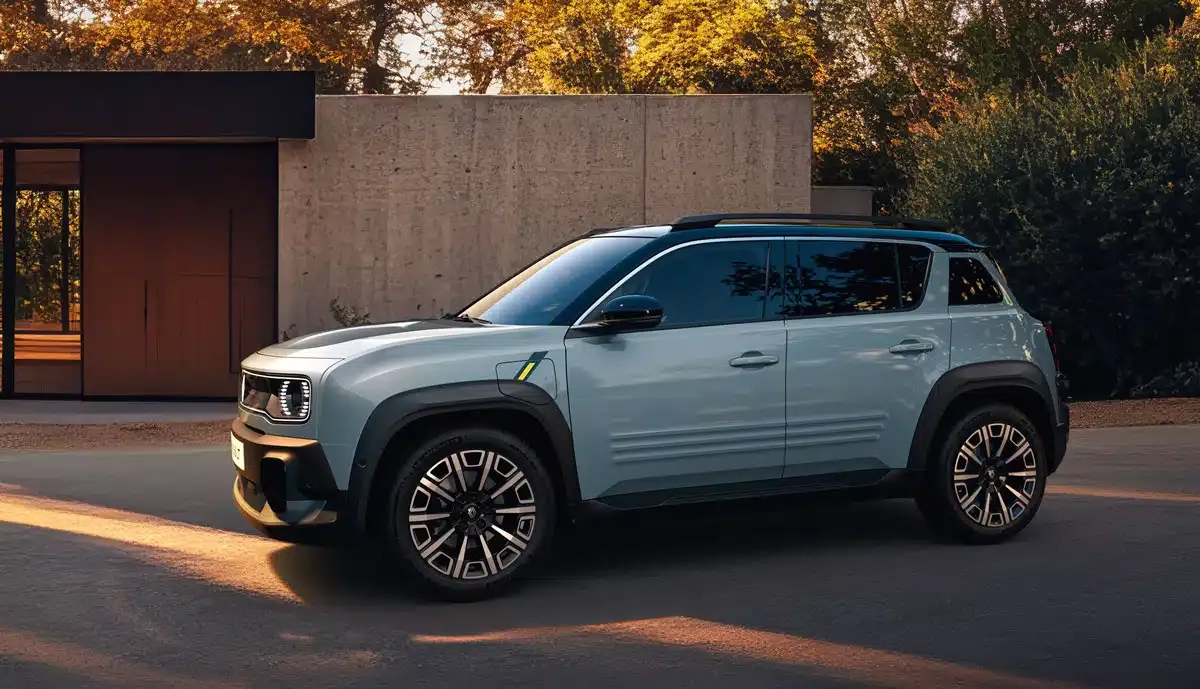
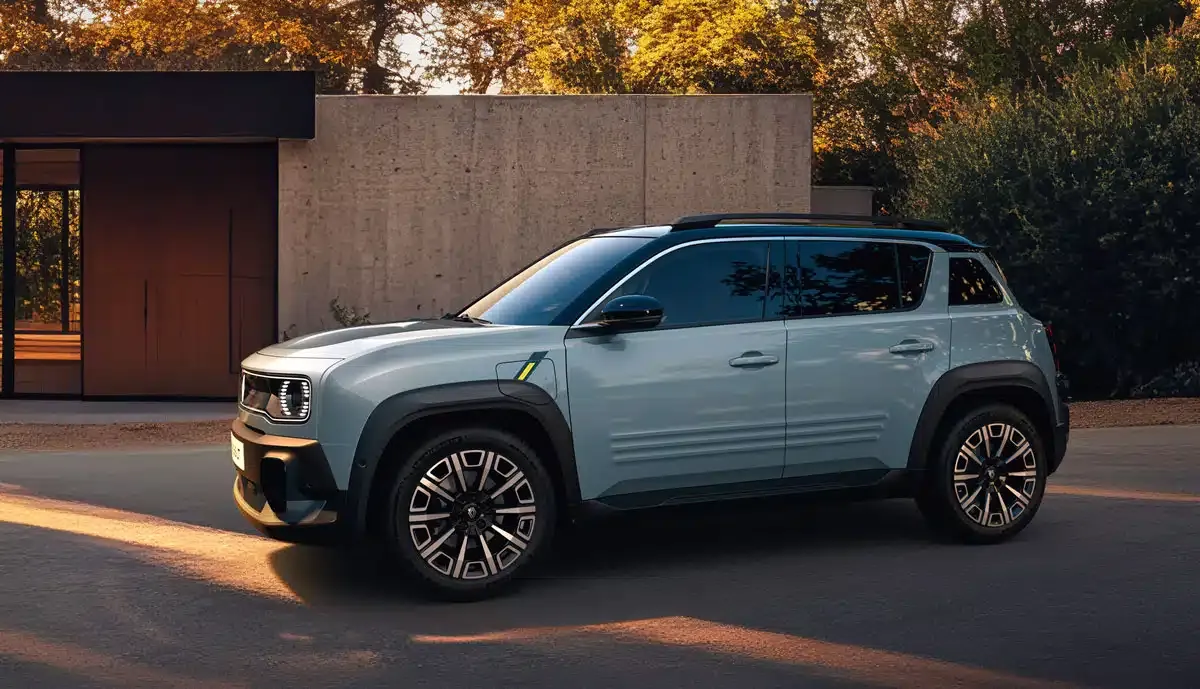
Image: Renault (illustrative)
The current electric vehicle purchase subsidy has been paid out to 100,000 applicants since May. The funds benefit people who “hadn’t even thought about buying an electric car before,” said Environment Minister Carsten Schneider (SPD) to Bild. Half of the applicants have an annual household income of up to 45,000 euros, while three-quarters earn up to 60,000 euros.
The new electric vehicle subsidy can be applied for starting May 19th and will be granted retroactively for new registrations beginning January 1, 2026. The government subsidy is available only to private households and solely for new vehicles. It covers the purchase or leasing of cars with purely battery-electric or fuel cell powertrains, as well as certain plug-in hybrids and so-called range-extender electric vehicles. In the latter case, a compact internal combustion engine serves as a power generator when needed.
The subsidy amount ranges from 1,500 to 6,000 euros. The maximum support of 6,000 euros is available to households with an annual taxable income of up to 45,000 euros and at least two children under 18 years old when purchasing or leasing a fully electric vehicle. The same subsidy rates apply to fuel cell vehicles.
According to Bild, about 90 percent of the prizes awarded so far went to pure electric vehicles, with less than 10 percent going to plug-in hybrids. “The incentive program has far exceeded our expectations,” said Schneider. He emphasized that it is particularly important that the social gradient works effectively.
Roughly 50 percent of the cars supported so far are leased vehicles. In total, the federal government is allocating 3 billion euros from the Climate and Transformation Fund. The environment minister believes these funds will suffice for approximately 800,000 electric cars over the next three to four years. Schneider’s team expects that 800,000 cars will be reached even before 2029. Whether there will be additional subsidies at that point remains to be seen.
Also interesting
About the author
Thomas Langenbucher is an expert in electromobility with professional experience in the automotive industry and finance sector. Since 2011, he has been covering electric vehicles, sustainable technologies, and mobility solutions for ecomento.de. Learn more.
Reader interactions
