
Electric car purchase subsidy: Criticism of subsidies for luxury vehicles
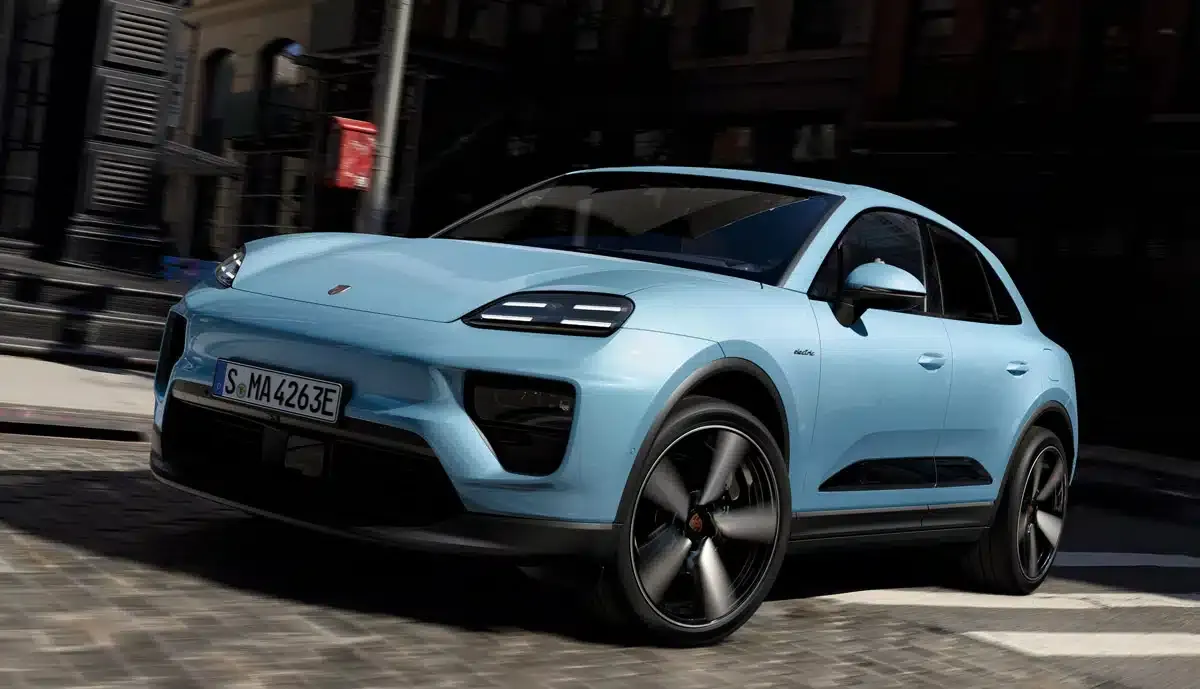
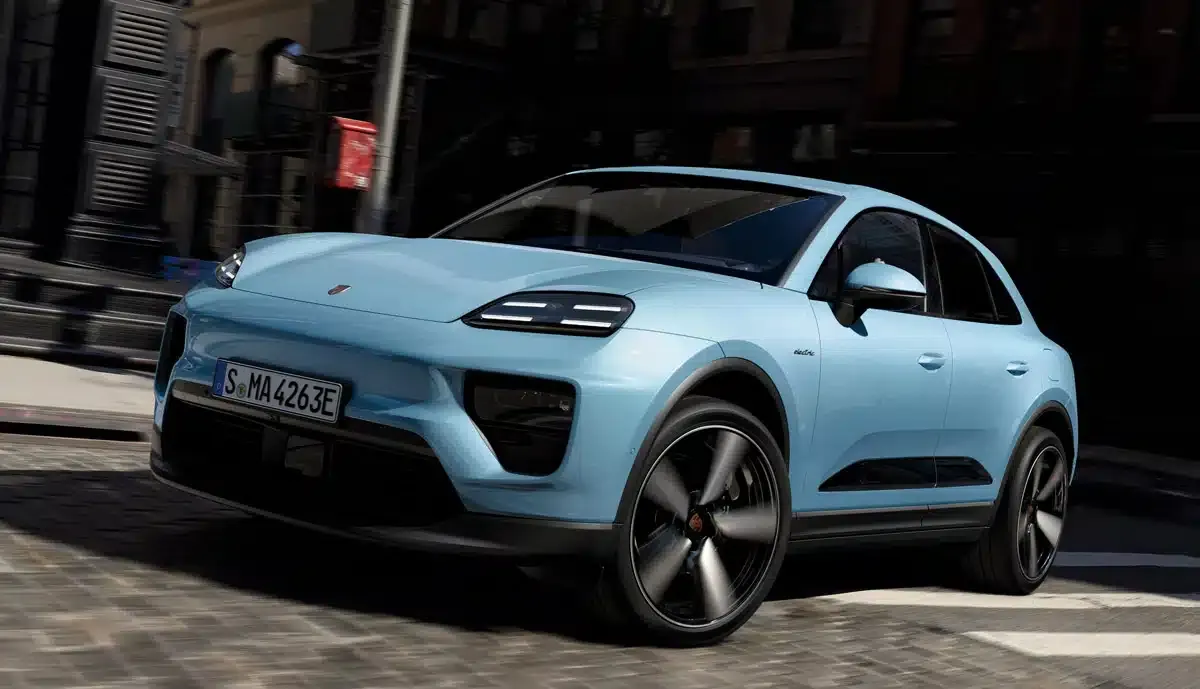
Image: Porsche (illustrative)
SPD politicians are calling for changes to the current electric vehicle subsidies, according to the Handelsblatt. This comes amid data from the Federal Agency for Economic Affairs and Export Control (BAFA), which shows that government incentives are also being used for high-priced vehicles such as luxury SUVs, upper-class sedans, and sports cars. These include models from Porsche, BMW, and Mercedes with list prices sometimes in the six-figure range.
Isabel Cademartori, the SPD’s spokesperson for transport policy, told a business newspaper that the subsidies must meet their social objectives. Sebastian Roloff, the party’s spokesperson for economic policy, added that luxury cars should not be subsidized by the government. One possible solution would be to set a ceiling on the list price of vehicles, as existed in previous programs.
The current subsidy system includes social gradients: the purchase bonus for fully electric vehicles ranges from 3,000 to 6,000 euros, depending on income and the number of children in the household. Households with an annual income over 90,000 euros are excluded. Mandy Pastohr, president of BAFA, believes the social goal has been achieved, as half of the applications so far have come from households with an annual income of less than 45,000 euros.
According to the Handelsblatt, however, there are signs of attempts to circumvent the income limits. Since the owner and buyer do not have to be the same person, online forums discuss registering vehicles through family members with lower incomes. Cademartori believes stricter measures are needed if income limits are deliberately bypassed. Specifically, the SPD calls for a stronger industrial policy focus on the program through a “Made-in-Europe” requirement. Roloff considers this “even more important” than a price cap.
The Federal Environment Ministry under Carsten Schneider (SPD) is currently rejecting any changes. A spokesperson told Handelsblatt that subsidizing expensive vehicles is merely a “very minor issue.” Over 80 percent of the subsidized cars cost less than 50,000 euros. Additionally, setting a price cap would lead to more bureaucracy, as determining key prices and models would complicate the process for manufacturers and applicants.
As of the deadline on August 1, 2026, 26,875 grants have been issued for the electricity vehicle subsidy, with €117 million in funding disbursed, according to a recent announcement by BAFA. Of these, 24,794 grants were for pure battery electric vehicles (BEV), while 2,081 were for plug-in hybrids (PHEV). In the income bracket of €0 to €45,000, 13,064 grants were granted; between €45,001 and €60,000, there were 6,043; and between €60,001 and €80,000, 6,840. In the brackets of €80,001 to €85,000 and over €90,000, there were 714 and 214 grants respectively.
Also interesting
About the author
Thomas Langenbucher is an expert in electromobility with professional experience in the automotive and financial industries. Since 2011, he has been covering electric vehicles, sustainable technologies, and mobility solutions for ecomento.de. Learn more.
Reader interactions