
Electric Drives: GM Acquires Magnet Specialist Vacuumschmelze
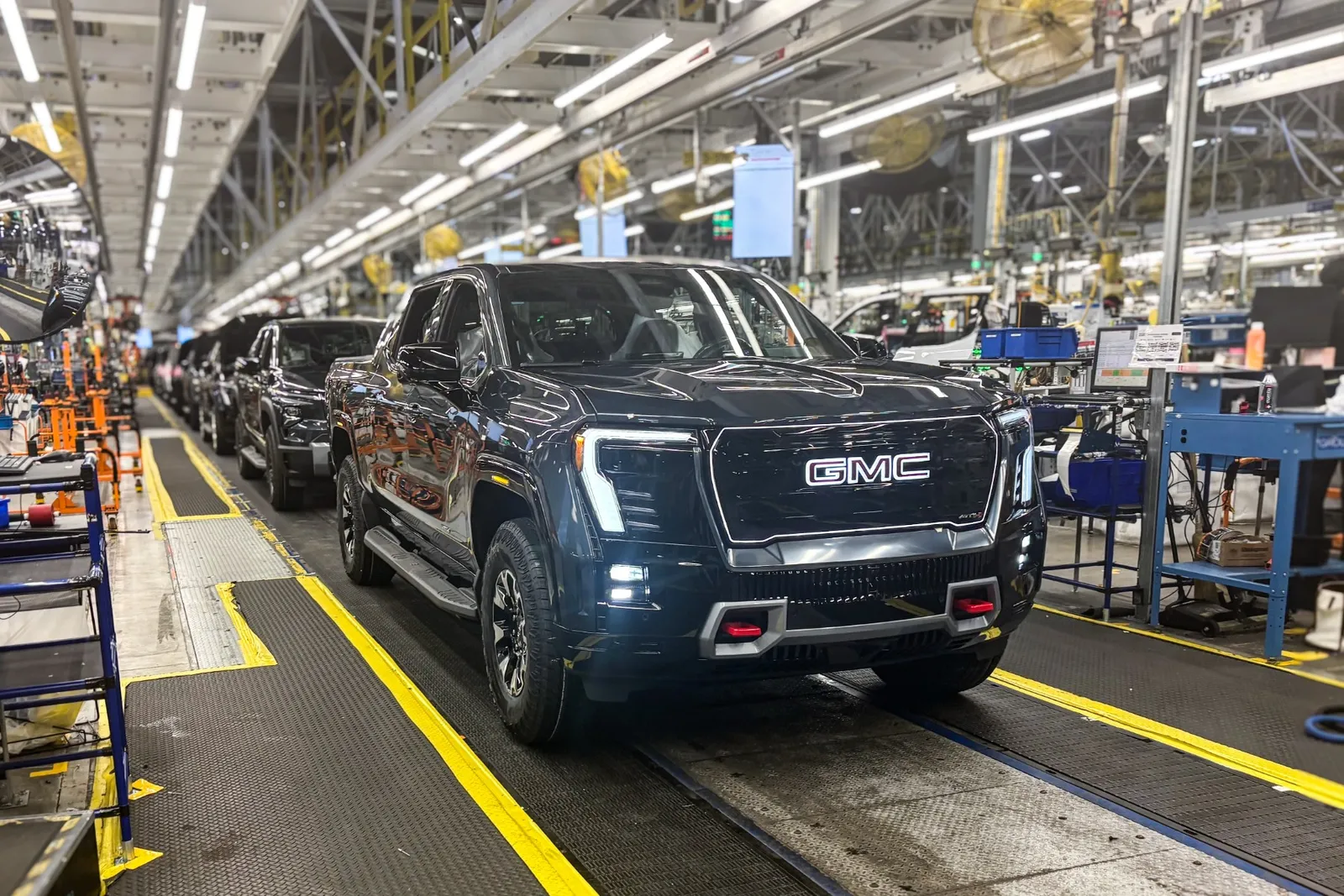
The German company Vacuumschmelze (VAC) secured General Motors as a long-term U.S. buyer of permanent magnets for electric motors in 2023. However, according to a news agency report, the partnership has now come to an abrupt end.
Image: General Motors
As reported by Reuters, GM has terminated its long-term supply contract with VAC’s American subsidiary, eVAC Magnetics. Both parties are now involved in arbitration over this matter, according to the news agency, which cites regulatory documents and a “person familiar with the situation.”
The agreement signed in early 2023 between the U.S. automaker and the German company Vacuumschmelze (VAC), which specializes in magnetic materials, involves a supply of rare earth permanent magnets for GM’s North American operations that will last at least ten years. Under the deal, VAC committed to establishing a production facility in North America to manufacture permanent magnets for electric motors starting in 2025, which are intended for use in several GM electric vehicles. The Chevrolet electric models Silverado EV, Blazer EV, and Equinox EV, the Cadillac Lyriq, and the GMC models Sierra EV and Hummer EV were specifically mentioned at the time of signing the contract.
It is clear, however, that with U.S. President Donald Trump’s second term in office, the electric vehicle industry in the U.S. is developing much more slowly than expected. This also affects General Motors’ previously outlined electrification plans. In a stock market announcement, GM stated that it “has terminated a strategic supply agreement” and is now involved in arbitration proceedings.
In addition, VAC is currently in the process of being acquired by Energy Fuels. Energy Fuels stated in June that it would pay $1.9 billion to acquire VAC. This acquisition would also result in a change of ownership for the new U.S. plant, which, according to Reuters, has been operating in Sumter, South Carolina, since the end of 2025. The factory is said to have cost $500 million and has a capacity of just under 2,000 tons per year. Reuters reported that 90 percent of the production was sold to GM, with the remainder intended for the U.S. market.
Critical for VAC: Energy Fuels also told the news agency that “depending on the outcome of the arbitration process, adjustments to our purchase price for VAC may be necessary.” According to stock market documents, the dispute between GM and VAC first arose in April 2026. Energy Fuels claims that it was aware of the conflict during negotiations to acquire VAC.