
Significant year-on-year declines for German manufacturers in China. They also experienced year-on-year drops last year...
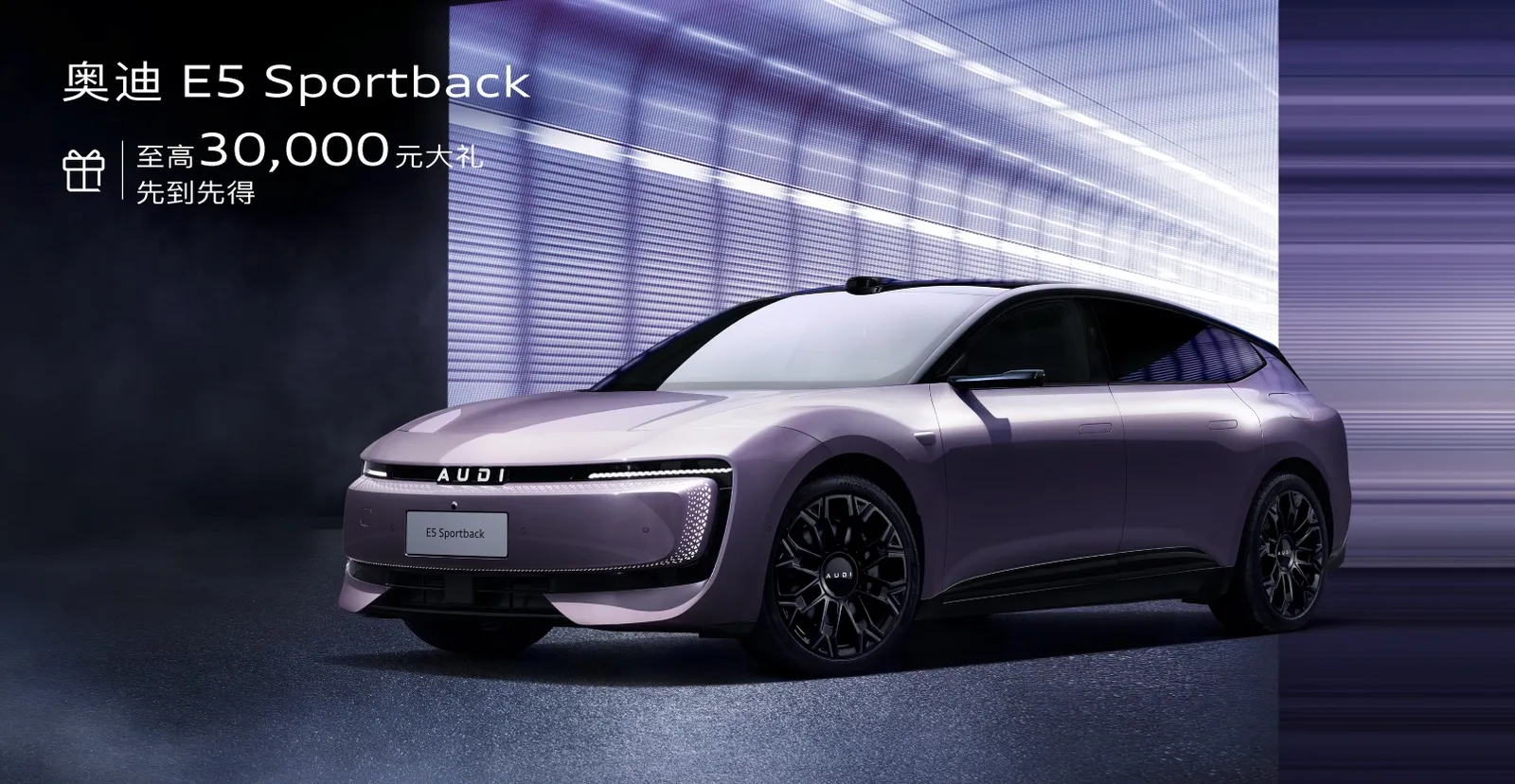
With the end of subsidies for electric vehicles in late 2025, China’s entire market saw a sharp decline in sales. By the end of June 2026, sales had dropped by 20 percent year-on-year. But German manufacturers, who cannot convince Chinese consumers to buy their cars (or lack anything interesting in their offerings), are in an even worse situation there. All of them experienced double-digit declines in both the second quarter and throughout the first half of this year.
German Brands in China
According to data compiled by Lei Xing, German conglomerates fared as follows in China by the end of June. To put this in context, BYD’s last quarter saw a 28 percent year-on-year decline in the Chinese market [which is why the manufacturer is fighting so hard for exports – editor’s note]:
BMW Group: -30.2 percent year-on-year in the second quarter, -20.4 percent year-on-year for the entire first half of 2026.
Mercedes: -30% quarter-on-quarter in Q2, -28% quarter-on-quarter in the first half of 2026,
Porsche: -41% quarter-on-quarter in Q2, -32% quarter-on-quarter in the first half of 2026,
Volkswagen Group: -36.6% quarter-on-quarter in Q2, -25.9% quarter-on-quarter in the first half of 2026.
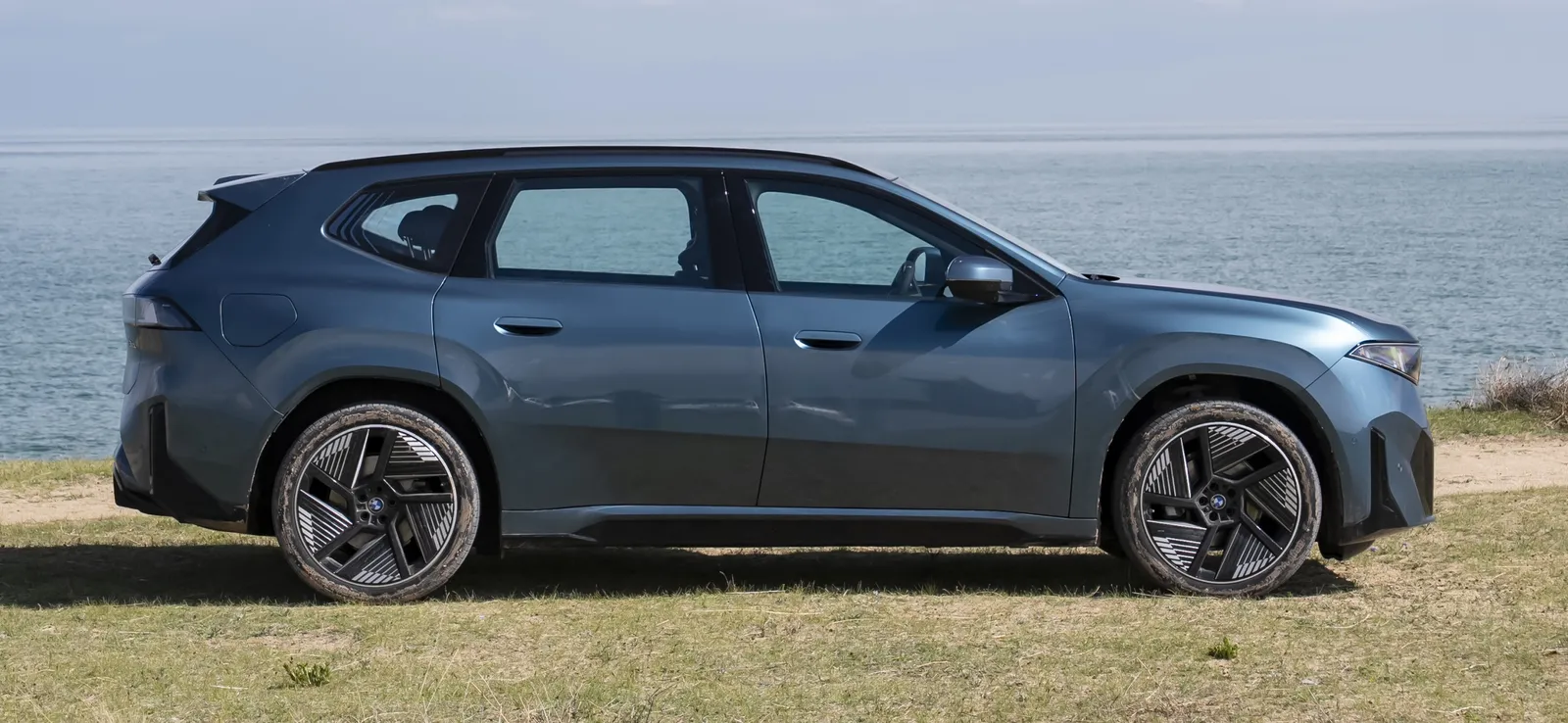
The BMW iX3 Long Wheelbase, or BMW iX3 L – this is BMW’s offering for Chinese consumers (c) BMW
We can easily see that all German companies have suffered the most significant percentage drops under BYD. What’s most interesting is that Chinese BYD is the only manufacturer in this list that no longer sells purely internal combustion engine models, as it offers either plug-in hybrids or pure electric vehicles (NEV category). German brands still offer internal combustion engine cars worldwide; in China, they are both being saved (because their electric vehicles have not been well received) and pushed toward failure (due to declining interest in non-NEV vehicles).
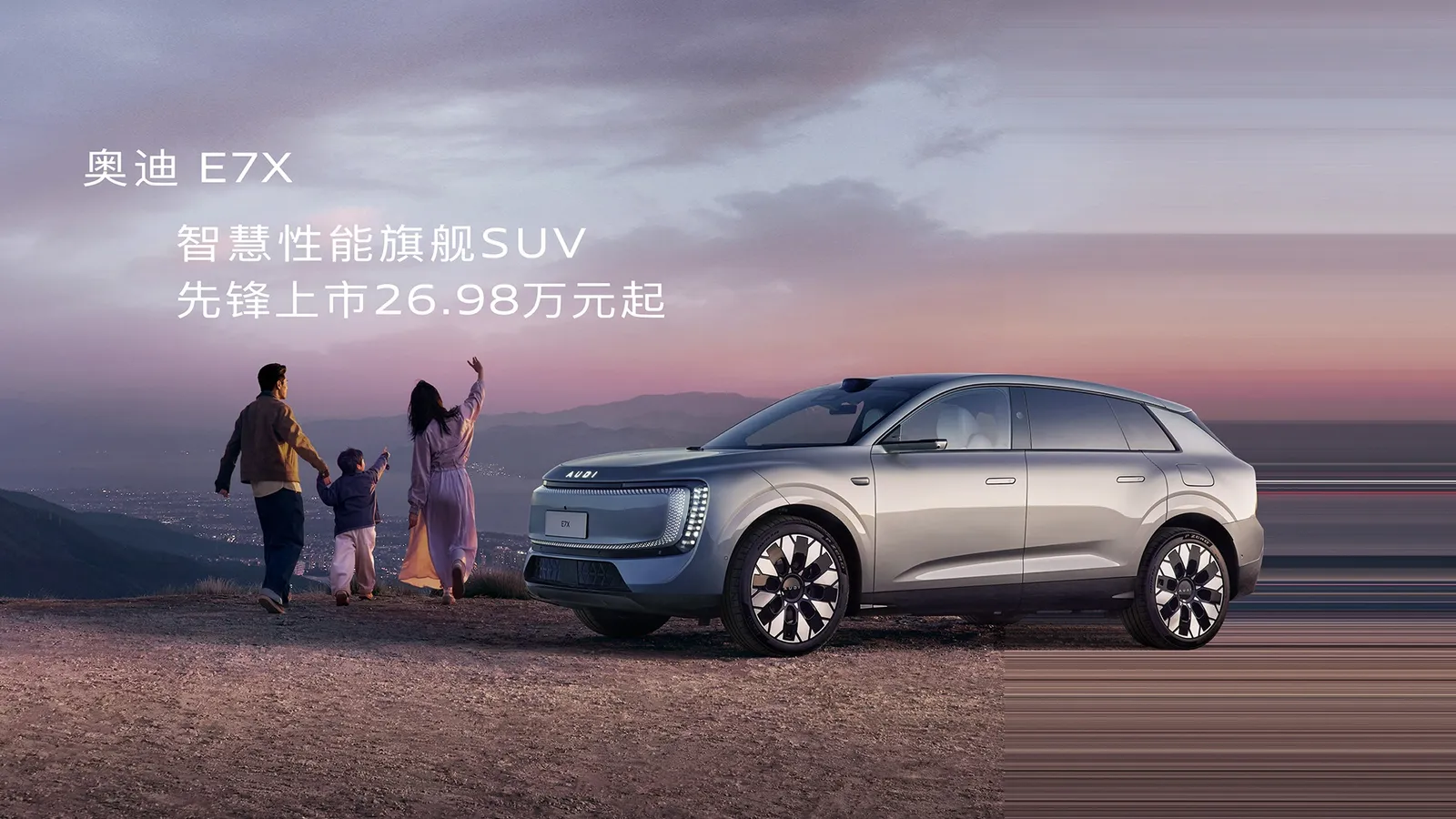
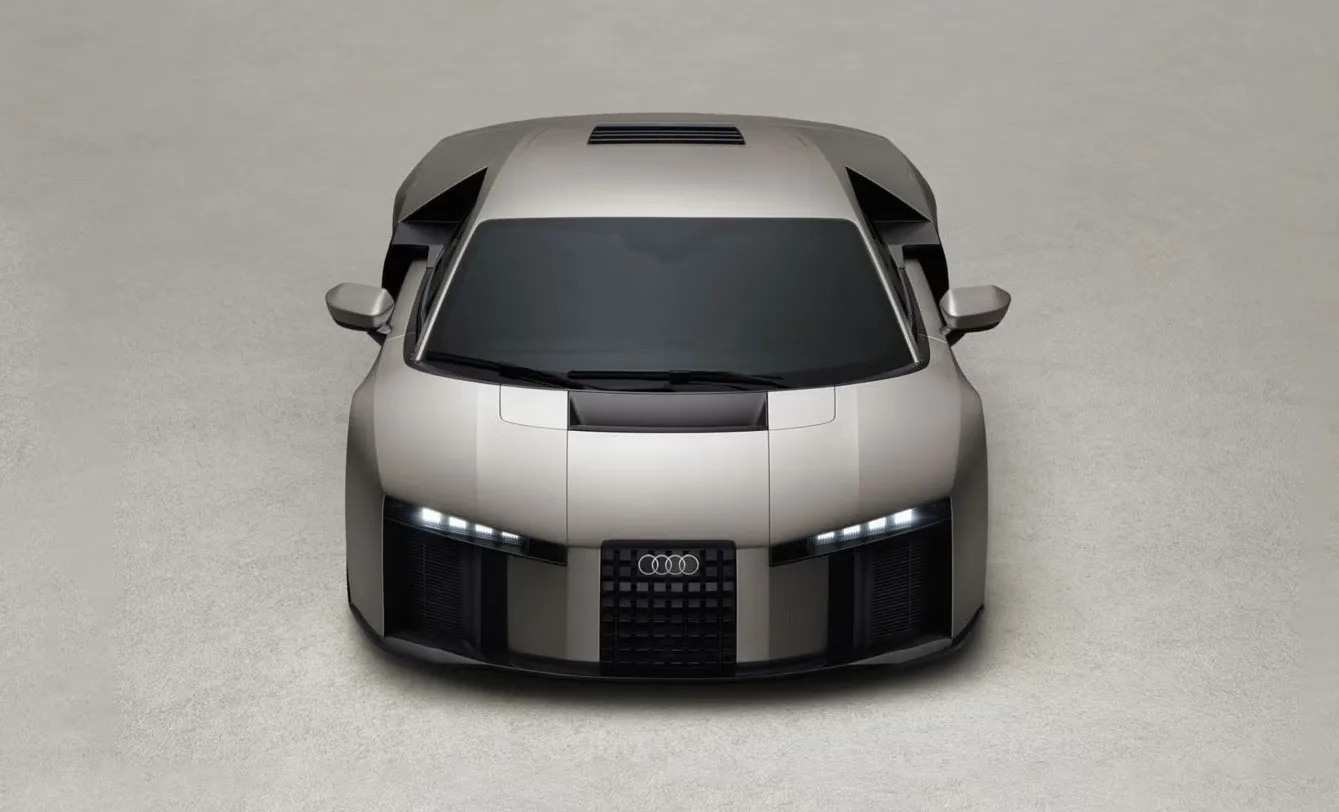
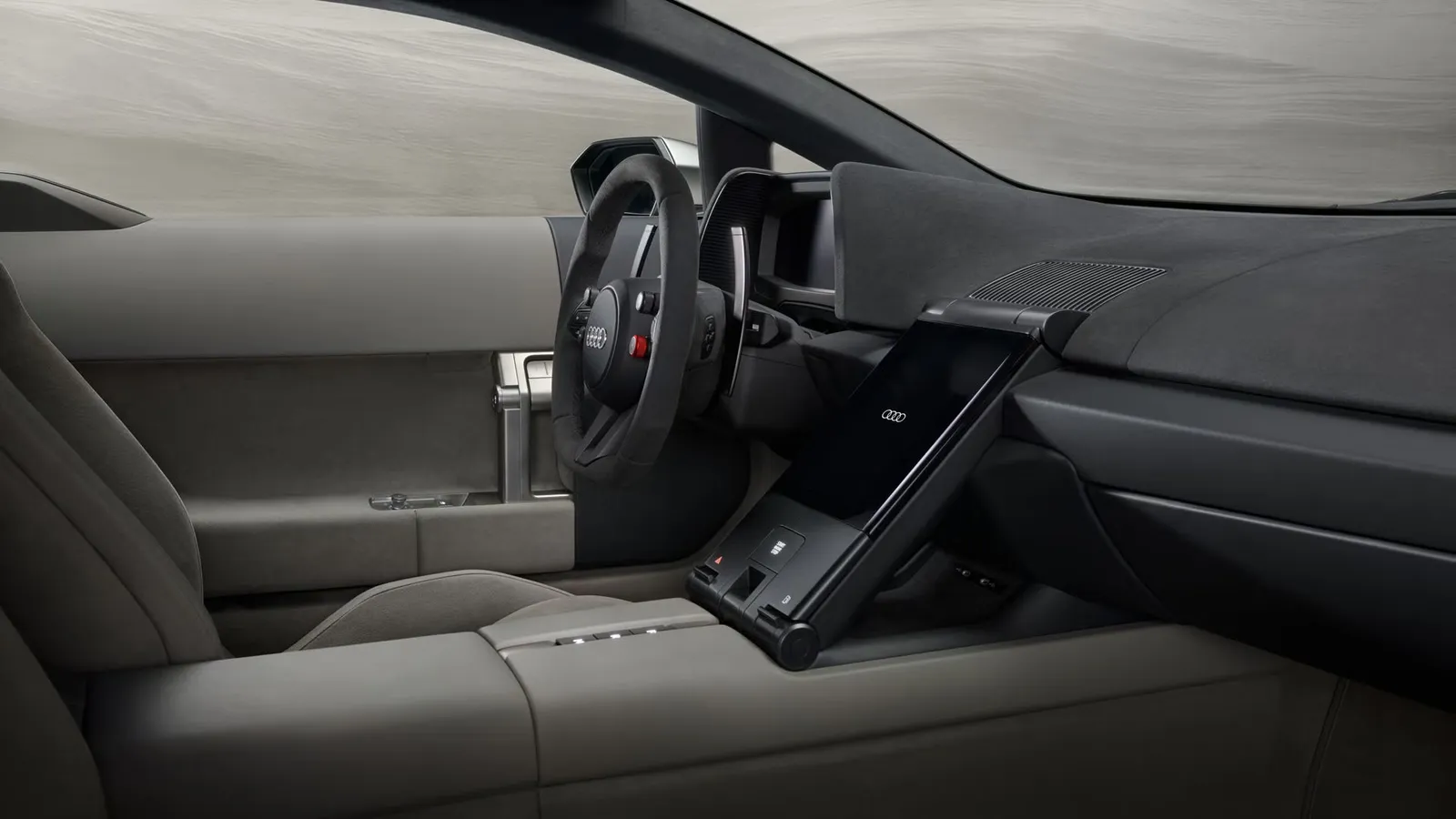
The weakening position of German manufacturers is causing our western neighbors to feel fear about the future, as well as calls for cuts and irritation. For German shareholders of Audi, for example, it is irritating that the company is heavily investing in technologically advanced models in China, despite uncertainty about their acceptance there, while in Europe it is reviving older models or introducing vehicles that push the manufacturer toward a niche market. An example is the Audi Nuvolari, a hybrid with 736 kW/1,001 HP that can accelerate from 0 to 100 km/h in 2.6 seconds, planned to be produced in just 499 units:
Article rating
Reader Ratings
[Total: 2 votes Average: 5]
Don’t miss new content — CLICK and FOLLOW Elektrowoz.pl on Google News. You might also be interested in the following ads: