
DS Model 4 or Renault Scenic, which one to buy? The difference becomes apparent as mileage increases
Imagine you have around 40,000 euros to buy a new electric car. You want more than 200 horsepower, something different from the usual options, and you also want it to be from a European manufacturer. In that scenario, the Renault Scenic and the DS N°4 emerge as two very interesting alternatives, though each approaches what an electric car should offer in a vastly different way.
The two models share power, price, and an electric philosophy, but that’s about it. The Renault Scenic clearly focuses on comfort, range, and practicality, while the DS N°4 tries to appeal from a more emotional standpoint, with a more exclusive design, higher-quality interior, and especially comfortable suspension. In short, it’s a battle between logic and emotion.
The DS N°4 is also a particularly interesting proposition within its category. With the model’s refresh, DS Automobiles not only changed its name but also introduced an electric version for the first time. While other compact cars from traditional premium brands, such as the Audi A3 or BMW Series 1, still rely on internal combustion engines, this French model offers an electric alternative.
But the DS N°4 isn’t alone. There are numerous alternatives at a similar price point, and within the Stellantis group itself, the Peugeot e-308 serves as a direct rival. However, in this case, comparing it to the Renault Scenic is especially interesting because both cars offer similar power levels despite having very different concepts.
Two very different approaches to understanding an electric car
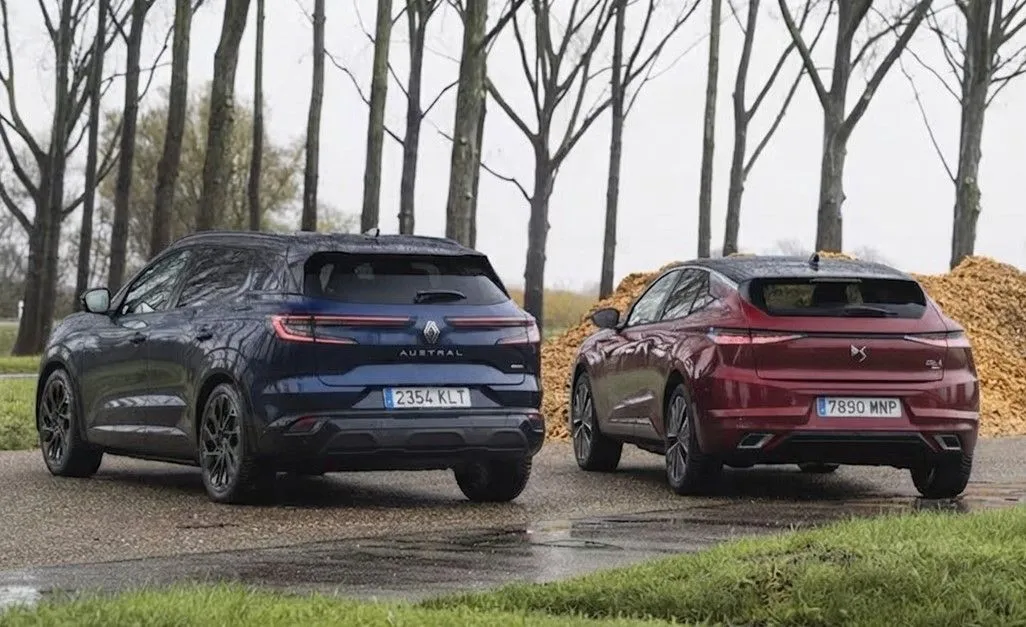
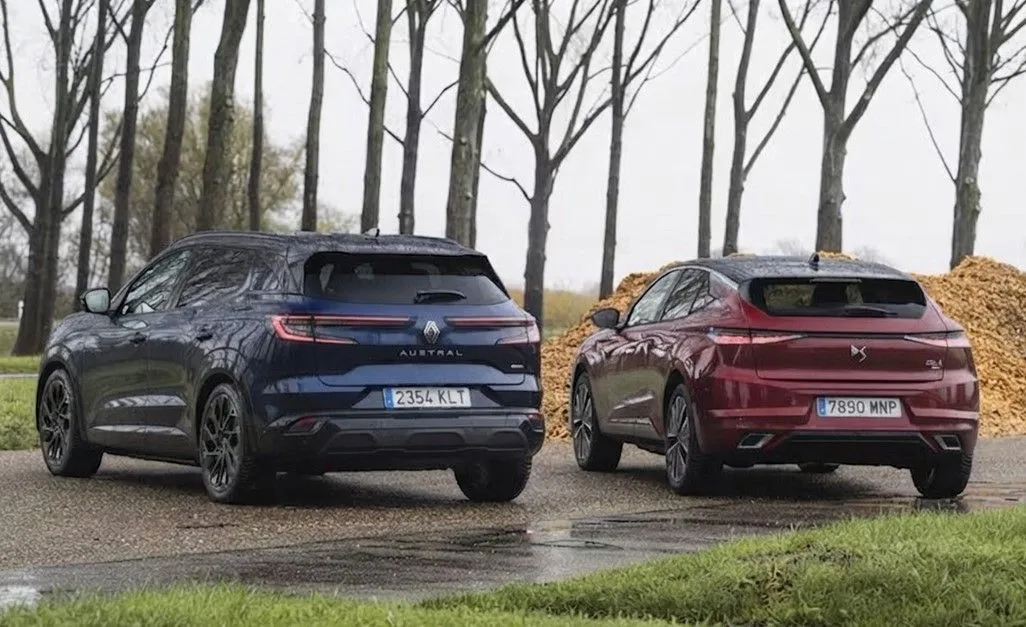
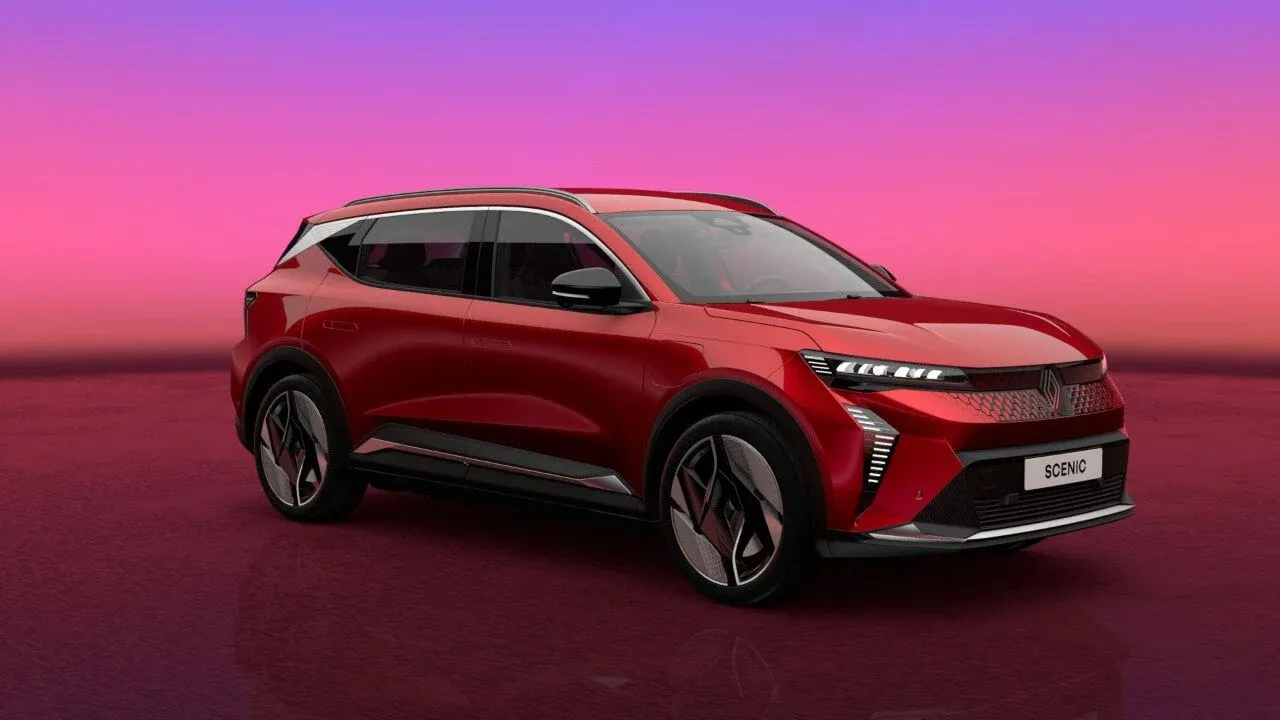
The differences are noticeable from the outside. The Renault Scenic is 4.47 meters long, compared to 4.40 meters for the DS N°4. The Renault is also wider and, most importantly, taller, giving it a much more spacious feel. It doesn’t quite have the appearance of a traditional minivan: Renault has worked hard on its design to turn it into a crossover that sits somewhere between a compact car and an SUV.
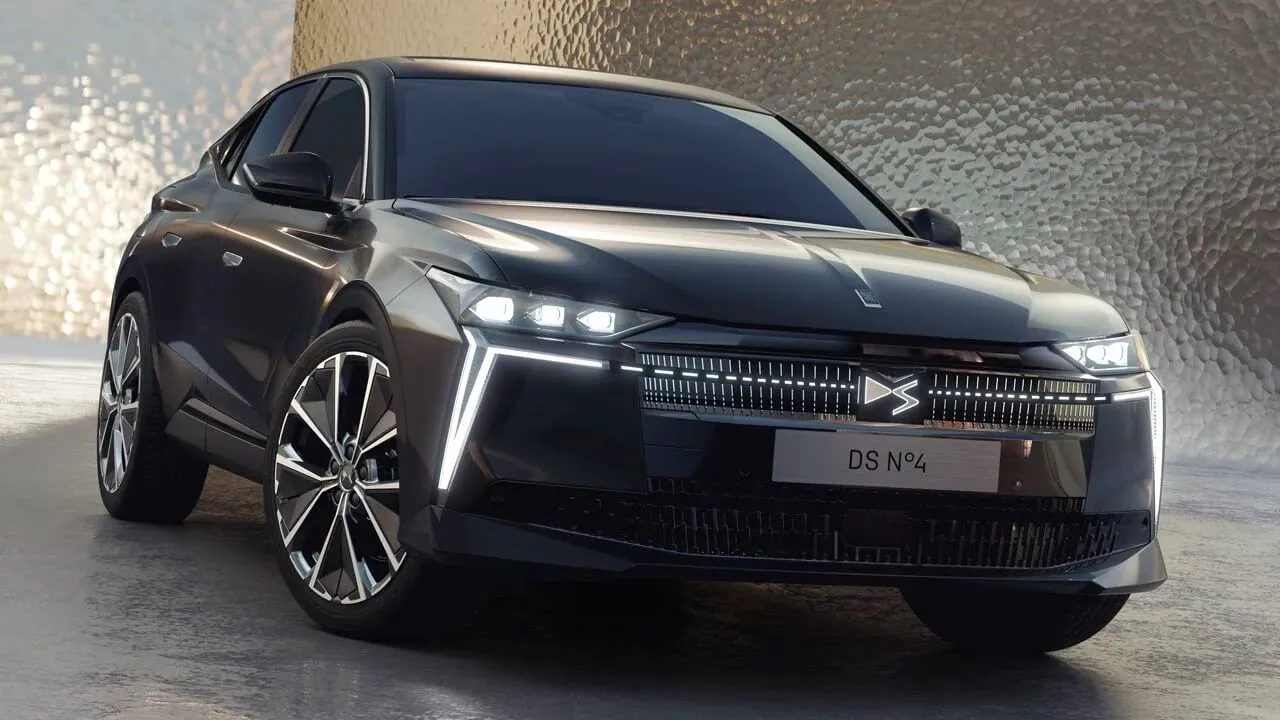
The DS N°4 operates in a different aesthetic league. At 4.40 meters long, 1.87 meters wide, and around 1.49 meters high, it has a much lower and sportier silhouette. Although it retains the essence of a five-door compact car, its design is far more sophisticated than that of a Peugeot 308 or an Opel Astra. Interestingly, when the two cars are placed side by side, they show more similarities than might be expected, especially in their sharp front lighting clusters and the design of their signature lights.
Inside, two distinctly different philosophies emerge once again. The Renault Scenic favors a modern yet practical design, featuring a large vertical screen for the multimedia system and several physical controls for the most common functions. The overall layout is easy to understand, and the multimedia system is one of the car’s strengths. However, there is one detail that can be frustrating: the gear selector located behind the steering wheel is too high and not very intuitive, to the point where it caused accidental activation of the windshield wipers during testing while trying to select reverse gear.
The DS N°4 offers a much more impressive interior. The quality of construction, materials, and attention to detail are clearly in its favor. DS Automobiles has aimed to give its compact car an almost higher-class atmosphere, with far more elaborate upholstery and trim. The problem arises when it comes to actually using it. The multimedia system is less organized, and some functions require more steps than necessary. The climate control is a good example: although there are physical controls for certain functions, adjusting the temperature requires using the screen.
And here lies one of the biggest differences between the two cars. The DS N°4 is more luxurious, but the Renault Scenic is more practical. The difference in space is considerable, especially in the rear seats. The Scenic offers much more room for passengers and also clearly has an advantage in trunk capacity, with 545 liters compared to 390 liters in the DS N°4. In the front seats, however, both offer a high level of comfort.
When it comes to driving dynamics, the DS recovers some of the ground lost. The suspension is one of this model’s biggest strengths, reflecting DS Automobiles’ tradition of pursuing maximum comfort. It smoothly absorbs potholes, bumps, and irregularities without becoming overly soft in corners. It’s a quite well-balanced combination.
The steering, however, falls short in the same regard. At high speeds, it feels too light and slow around the center position, which can become tiresome on long trips. The Renault Scenic offers a firmer and slightly more dynamic setup. It isn’t uncomfortable and provides a very convincing balance between comfort and stability. Additionally, its steering is more predictable and better conveys what the car is doing.
There are also slight differences in the driving assistance systems. Both work properly, though the DS N°4 offers an interesting advantage for those who don’t want to feel constantly corrected by the car: it’s easier to disable certain warning and intervention functions.
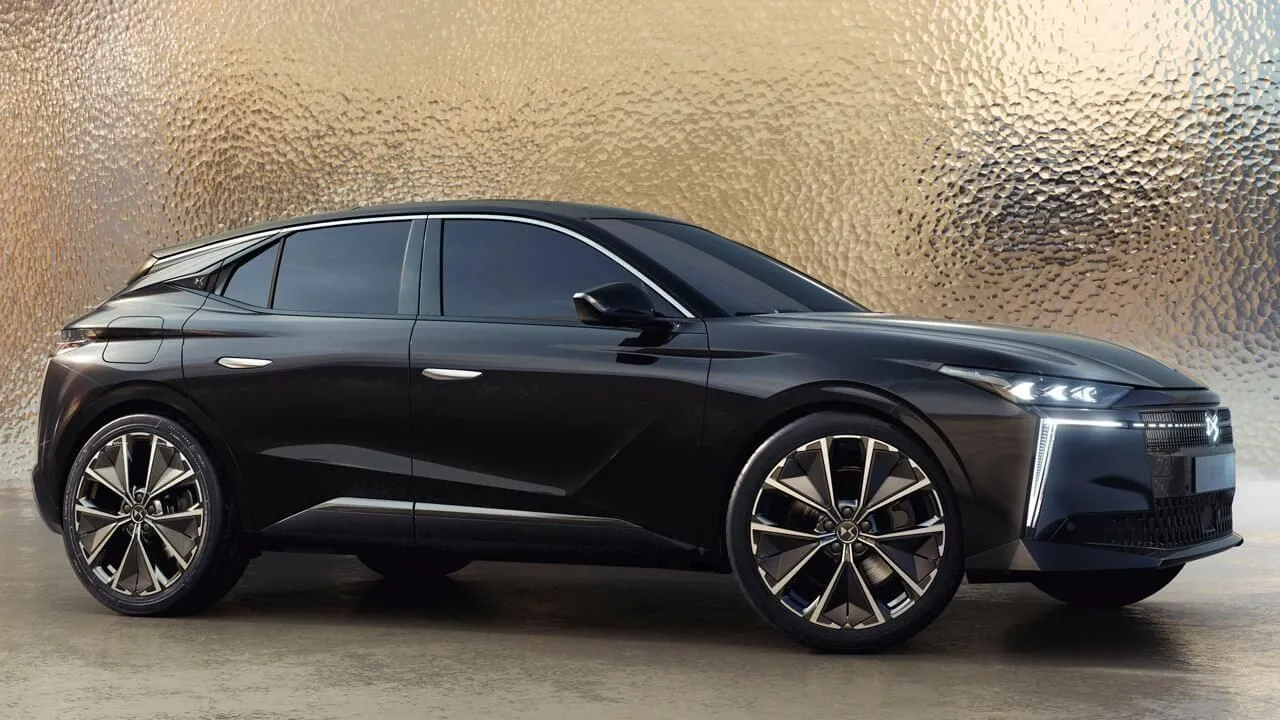
As for performance, both models are more than ready for everyday use. The tested Renault Scenic featured an electric motor with 220 HP that had to power a vehicle weighing over 1,800 kilograms. Still, it could accelerate from 0 to 100 km/h in 7.9 seconds. The DS N°4, with 213 HP and a weight of around 1,700 kilograms, managed to reduce this time to 7.1 seconds and reach 190 km/h.
On paper, the DS is slightly faster. In practice, the difference between the two is small, and neither can be considered lacking in performance. In fact, the Scenic’s stiffer suspension gives the Renault a slightly more sporty feel despite being the larger car.
The real significant difference lies in the battery. The Scenic used in the test was equipped with an 87 kWh battery, while the DS N°4 relied on a battery with lower capacity. With the specifications of the cars tested, the Renault achieved up to 625 kilometers of WLTP range, compared to around 450 kilometers for the DS. This difference becomes very important when leaving the city and embarking on long trips.
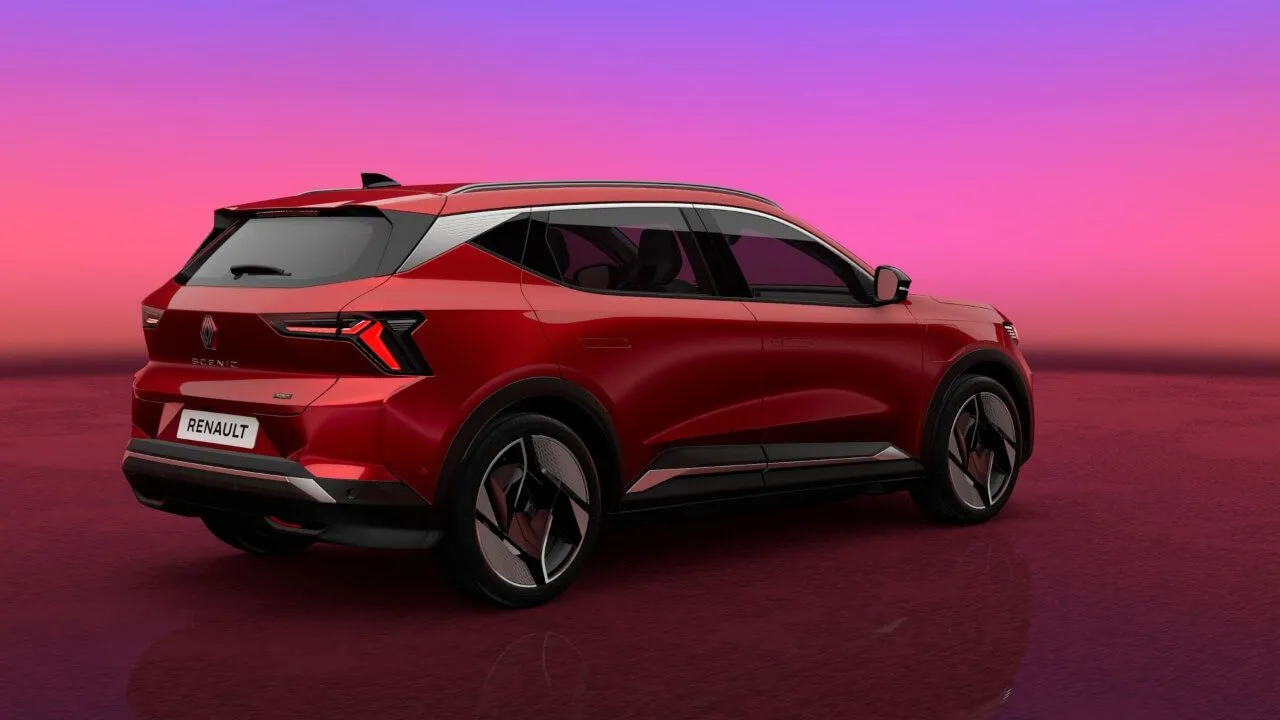
The difference isn’t just in battery capacity. The Renault also offers higher fast charging power, at over 150 kW compared to the DS’s 120 kW, and comes standard with a heat pump.
And then there’s the price, which is where this comparison becomes most interesting. The Renault Scenic starts at 41,160 euros in Spain, while the DS N°4 begins at 46,000 euros.
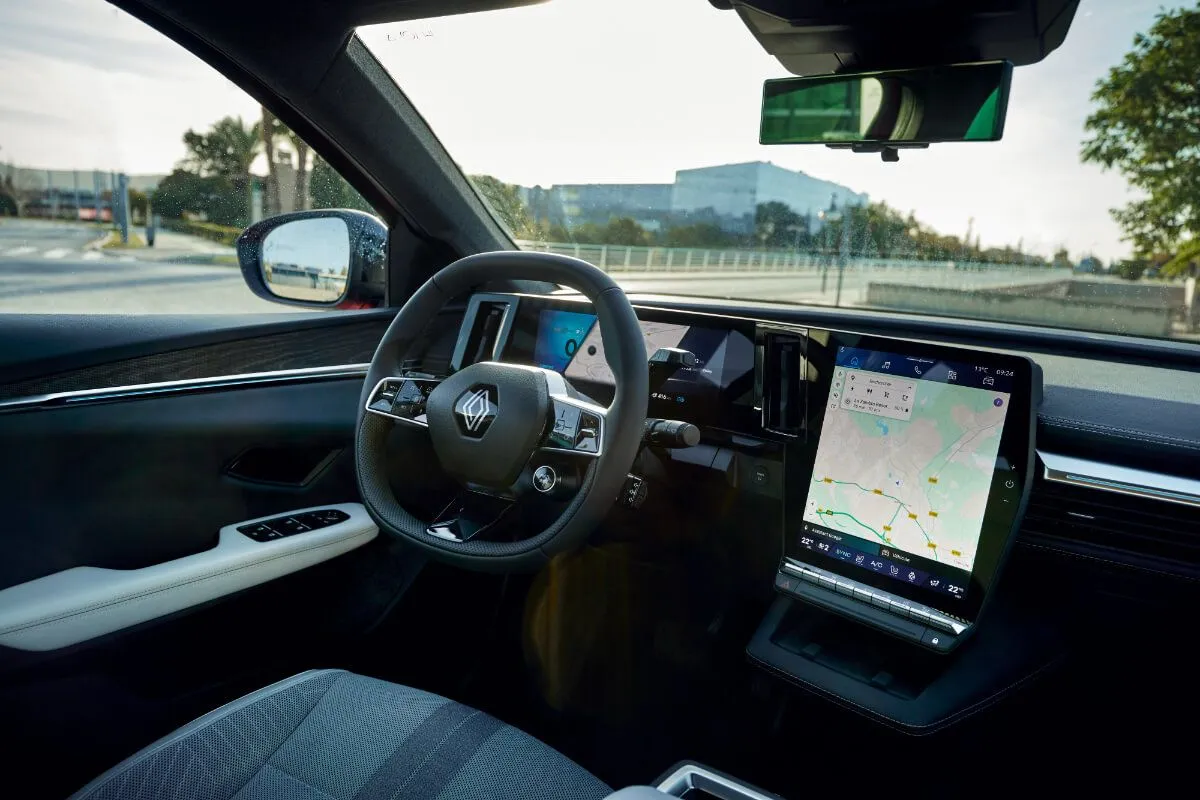
The difference is even greater since the Renault comes standard with features such as a heat pump, heated front seats, a heated steering wheel, a wireless phone charger, and keyless entry.
Therefore, the conclusion of this comparison is quite simple. The DS 4 has strong advantages for those looking for a different car with a more exclusive design, a luxury interior, and especially comfortable suspension. It is the car that someone who buys on emotion would likely choose.
The Renault Scenic, on the other hand, is the more rational choice. It offers more space, a much larger trunk, greater range, and a significantly bigger battery, along with very comprehensive standard equipment. It’s not as special as the DS N°4, but when it comes to daily use and especially long trips, the Renault proves superior. In this French rivalry, logic beats emotion.
Renault Scenic E-Tech
DS N°4 E-TENSE
Length
4.47 m
4.40 m
Power
220 HP
213 HP
0-100 km/h
7.9 s
7.1 s
Battery of the tested unit
87 kWh
lower capacity
WLTP range of the test
up to 625 km
up to 450 km
Trunk space
545 liters
390 liters
Focus
Space, range, and practicality
Design, luxury, and comfort
Prices in Spain
starting from 41,160 euros
starting from 46,000 euros