
DS: The style director explains to us what “intelligent design” will bring changes to future models
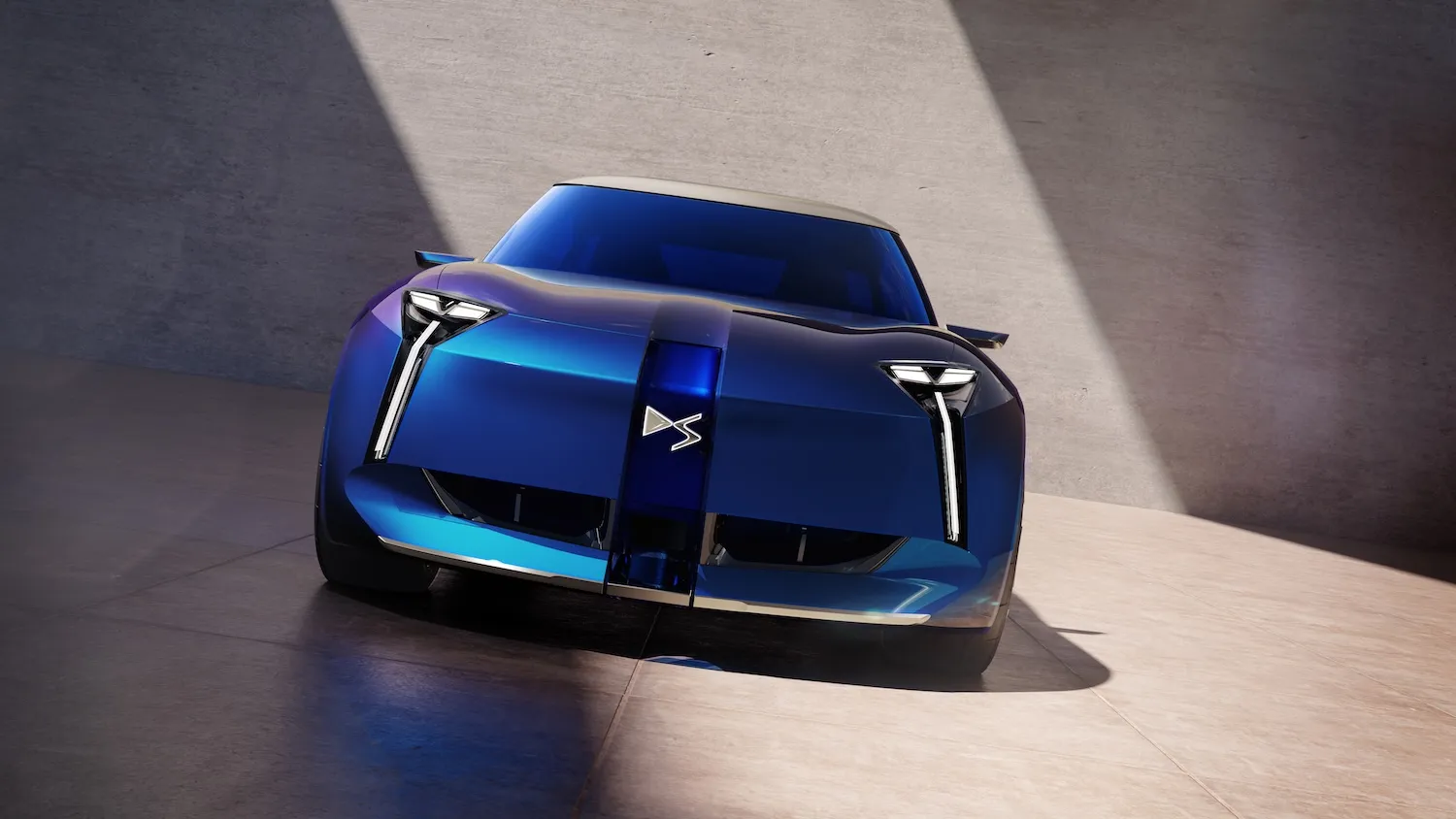
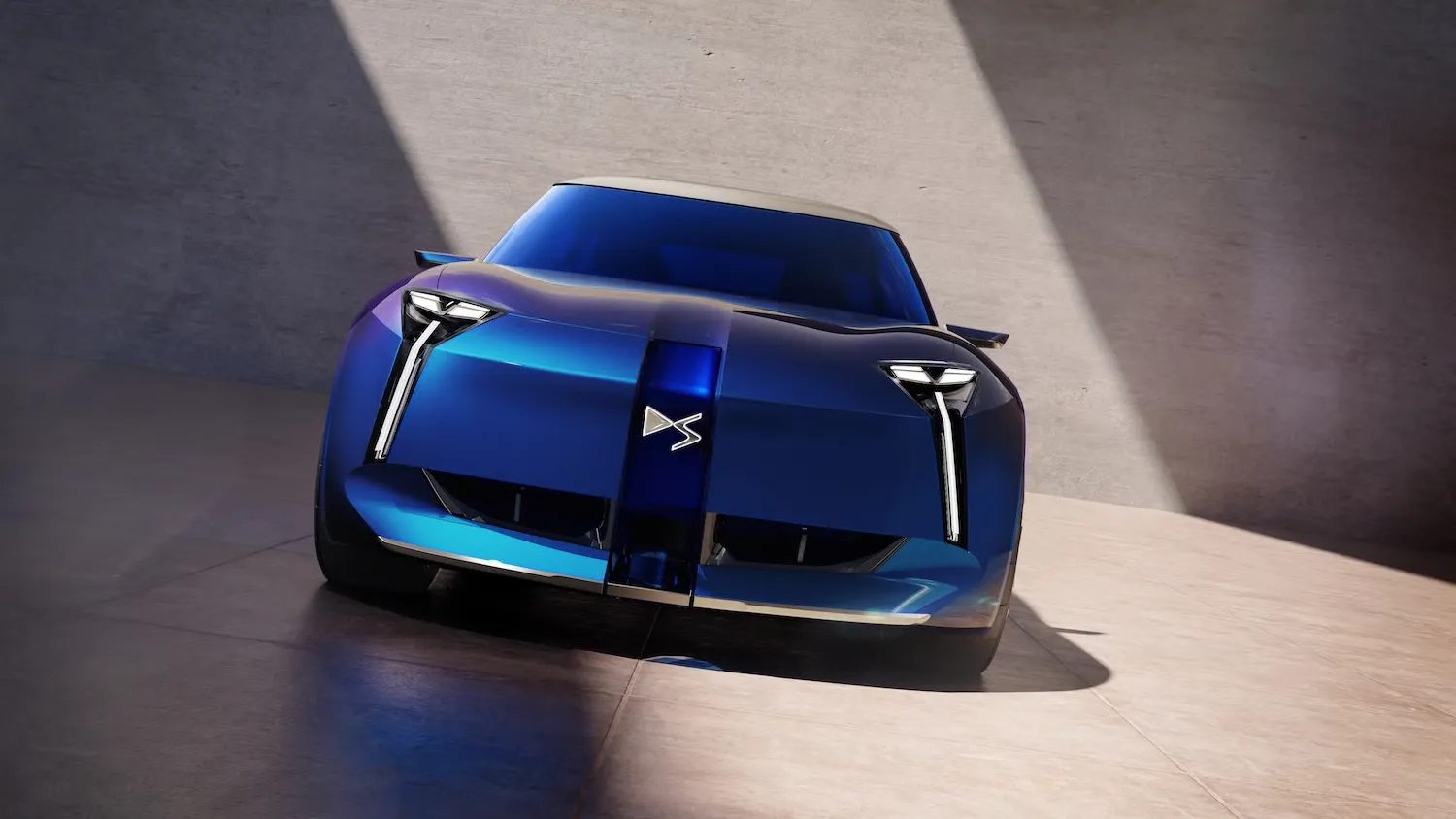
On the occasion of the launch of the “F3VER” concept, we met Thierry Metroz, DS’s style director. He talked to us about the design study that previews the future DS3, the new approach to designing DS vehicles, and the idea of creating a neo-retro DS model.
With the developments in the “Fastlane 2030” strategic plan, what is DS’s role within Stellantis now?
We have joined the Citroën brand, which I think is good news for DS as it reduces our isolation. We’ll be able to create synergies with Citroën, with Xavier Chardon overseeing both brands. Being part of this group potentially gives us much greater influence and allows us to achieve more than we could on our own.
And has DS found its place in the premium market? What sets the brand apart from its premium competitors, especially the German ones?
Throughout DS’s history, we have never aimed to compete head-on with German manufacturers; that isn’t our focus. Instead, we’ve always sought to express different values, particularly regarding the comfort of our cars or the sophistication and quality of their interiors. We demonstrated this again with the DS 7, which was praised by the press as a benchmark for comfort. So we operate in completely different areas, with our own space to express ourselves. Our positioning is to be the most distinctive French brand.
While Citroën is reviving the 2 CV, is there any possibility of going neo-retro at DS? We definitely think of the original DS, the iconic model.
Nothing is forbidden! But to clarify, we have two icons. First, the 1955 DS, which could potentially be a vehicle for which we might create a modern version with retro design, as you put it. It’s always very difficult to alter an icon like the DS. If we’re reviving the DS, we need to live up to its status as an icon, and the DS isn’t just about style. The car had exceptional styling, but it was also highly technologically advanced compared to everything else available at the time. Think hydraulic suspension, directionally focused headlights, frameless doors... There was a technological content that greatly contributed to the DS’s status as an icon. If we create a revival, we can draw inspiration from its style, but the car must also be at the forefront of technology. It’s something we could do—we just need to decide.
It’s not urgent at all, but if we do it, we need to do it well. The DS of 2035 or 2040 should be just as innovative in terms of design and technology as the one from 1955.Is the second icon the DS3?
Yes, that’s exactly right. After the 1955 DS, we had the first generation of DS3, launched in 2010, which remains for us the founding car of the DS brand and a real success—we sold 500,000 units. There’s a strong affection for this car; there are even clubs dedicated to it. With the “F3VER” concept, we want to pay homage to it. It has connections to the first generation DS3.
Also read
DS F3VER Concept: Discover what the future electric DS3 will look like
What are these connections between F3VER and the DS3?
Firstly, the proportions: a very compact, sporty, and agile car. It’s like a little toy that I can have fun with. There’s also a sense of simplicity, especially on the sides and at the rear, which are very rounded. It retained the originality of the illuminated signature feature—the first DS3 was one of the first cars to feature vertical illuminated signatures or 3D light effects. We’ve adopted this on the concept car using modern technologies to enhance the depth effect.
There’s also a reference to a shark fin, this time on the hood.
The first DS3 was a three-door model, making it easy to place the spoiler behind the front door. With the second DS 3, there were some criticisms regarding this placement, as the spoiler slightly obstructed visibility for the rear passengers. We resolved that issue. On the F3VER, the spoiler features a flagpole-shaped design behind the doors. This eliminates visibility problems and allows us to reinvent and modernize this element.
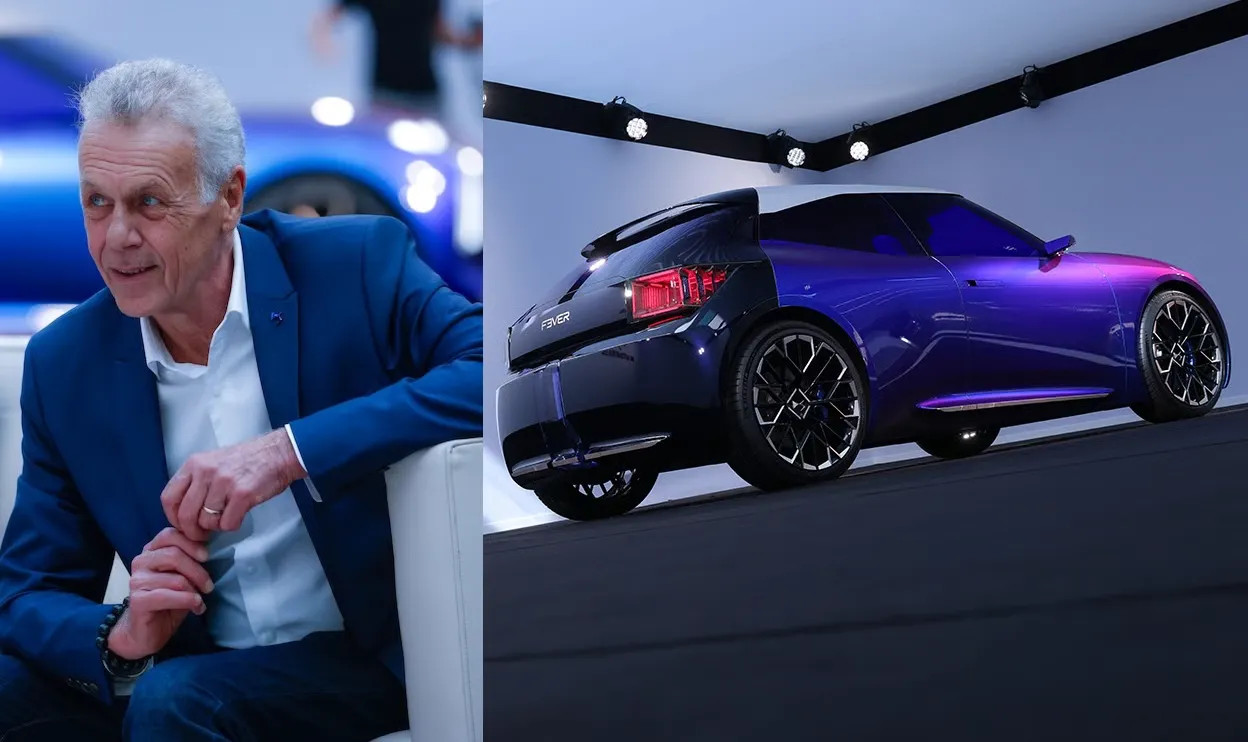
The concept car is 4.19 meters long. Is it still considered a city car size?
We deliberately designed the car at this size because we want it to be versatile. We definitely didn’t want to create a small car meant solely for urban use. The length remains reasonable for city driving, and we worked on the proportions to make the car appear very compact. It remains agile in urban areas, but inside, you feel there’s plenty of space at the back and a large trunk. You can even go on vacation with it! To achieve this, it has a long wheelbase of 2.70 meters, which is generous for such a compact car. This also allows for a larger battery, again serving the purpose of versatility.
When we went over the concept together, you mentioned smart design. What does that mean?
We begin with this concept to introduce our philosophy: we want to design cars with fewer components, both on the outside and inside. Creating much simpler vehicles has three advantages. The first advantage is that with fewer components to design, we can significantly speed up the project development timeline, knowing this to be one of the challenges in the European industry.
The second advantage is perceived quality. With fewer parts to assemble on the outside, there are less issues with alignment or color differences. Finally, the third advantage is that it allows us to reduce costs and lower prices. This way, we aim to make DS models more desirable for more people.
Want to discover the DS N°7? Reserve a free test drive in just a few clicks using this form.