
DS F3VER, a concept to illuminate the future of DS Automobiles
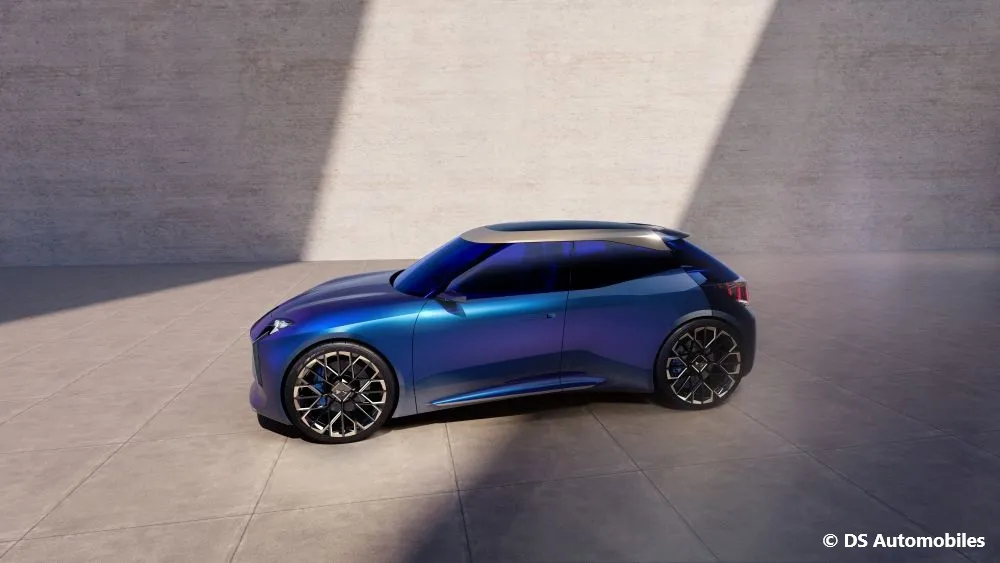
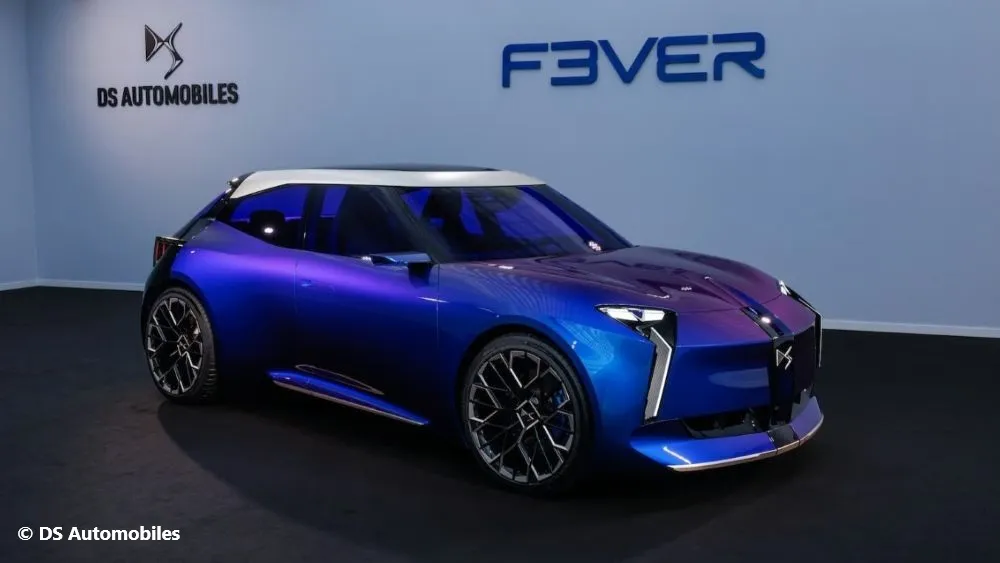
For Stellantis Group, DS Automobiles is no longer a priority. Worse, the brand has lost its autonomy and once again falls under Citroën’s control. Nevertheless, DS Automobiles does not give up and used the World Motor Show to showcase its uniqueness and expertise. To prove it still has a future, it unveiled the Concept DS F3VER, which previews its upcoming DS N°3 model. This 100% electric vehicle combines urban agility with versatility. Its stunning design lays the foundation for the brand’s future stylistic language. With DS F3VER, DS Automobiles also turns personalization into a core element of design. By introducing the “Design Intelligence” philosophy, it adopts an innovative approach aimed at improving efficiency.
A future electric compact vehicle combining urban agility and versatility
Designed to offer exceptional versatility, the DS F3VER combines urban agility with everyday usability. It introduces a new generation of electric vehicles that merge compactness, spacious interior space, and top-tier range. With this model, DS aims to reclaim its success in the urban vehicle segment, echoing the popularity of the original DS3. The brand previously upgraded this three-door city car into a small SUV, but that version failed to resonate with consumers. However, to ensure ample interior space, the DS F3VER has fairly large dimensions (4.19 meters in length). DS has not yet revealed the technical specifications of the upcoming DS N°3, scheduled for release in 2028. Nevertheless, it will be built on the new STLA One modular platform, allowing for a generous wheelbase. This will enable installation of a battery providing at least 450 kilometers of range and a powerful engine.
Complete freedom of action.A spectacular design ushering in a new stylistic era
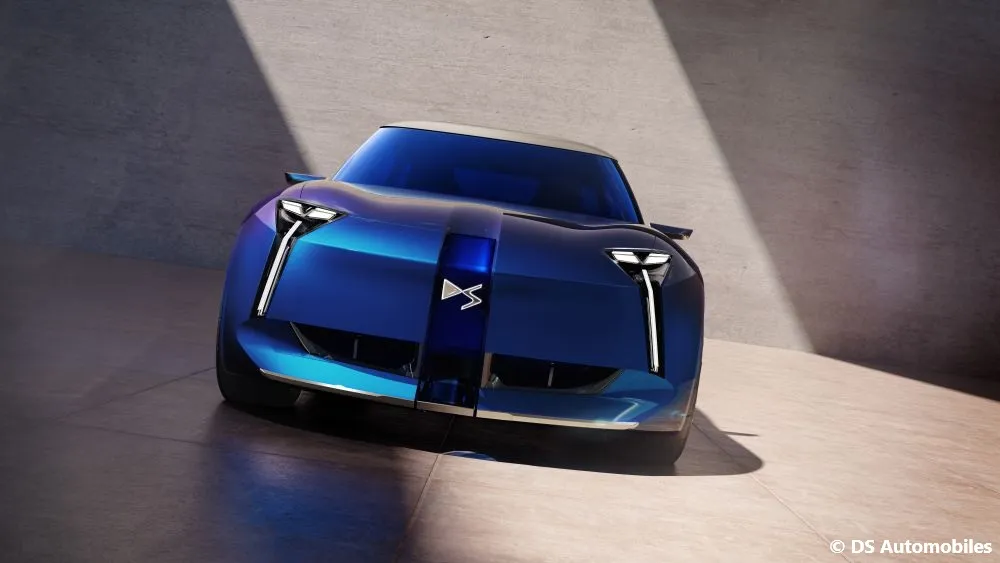
Designed to emphasize the brand’s uniqueness, DS F3VER exerts an immediate appeal. Its spectacular design lays the foundation for DS Automobiles’ future stylistic language. It features a sculptural silhouette, sleek lines, a striking front end, and an enchanting luminous signature. To create it, designers drew inspiration from aviation, architecture, and high-tech products. At the front, the vehicle defines its identity through a vertical totem adorned with the brand’s logo. A vertical luminous signature enhances this design with a technological touch. The rear follows the same logic. At the center of the rear panel, a digital totem displays the DS logo, while multidimensional lights create a stunning effect. Like a tunnel of light, they extend infinitely and form a cohesive whole.
Sent 16 LED panels.Personalization as a key element of design
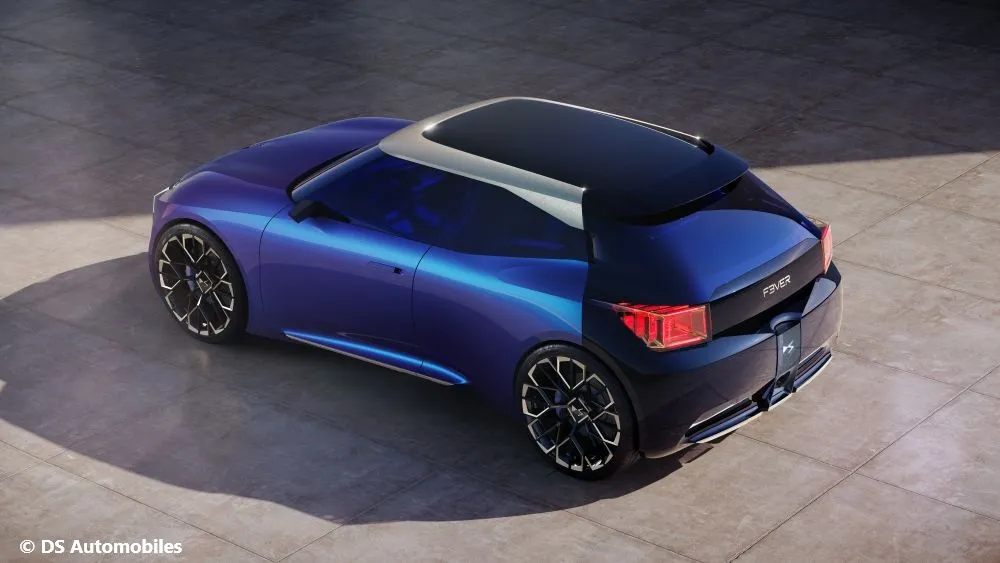
With DS F3VER, DS Automobiles makes personalization a core component of the design. Colors, materials, graphics, and lighting combine to create a fully customizable experience. The concept introduces a customizable badge ring as a distinctive feature that subtly enhances the elegance of its lines. This decorative strip allows each owner to emphasize the uniqueness of their vehicle. The designers have also reimagined the two-tone paint treatment, with the boundary between the two colors extending backward to the headlights. It then wraps around the trunk lid, fenders, and bumper. This new design alters the perception of the vehicle’s proportions while opening up vast possibilities for customization. Integrated into the digital rear totem, customizable light animations further personalize its appearance.
illuminate the vehicle through dedicated lighting scenarios.The Design Intelligence philosophy for greater efficiency
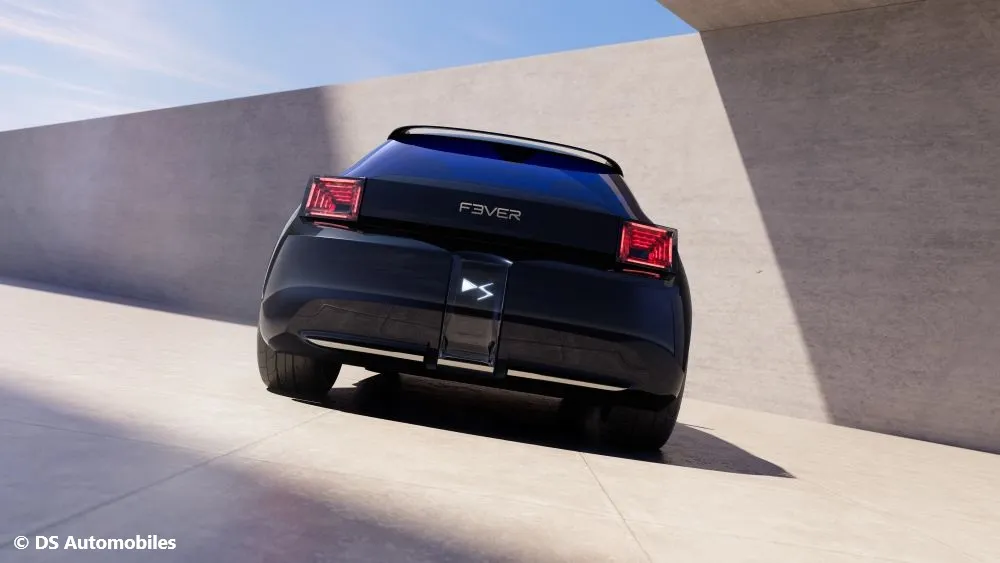
By introducing the philosophy of “Design Intelligence,” DS F3VER also places efficiency at the core of its design. This approach aims to reduce the number of components, lighten the architecture, and optimize aerodynamics. It also enhances perceived quality through cleaner surfaces and less visible assemblies. Stylistically, this method translates into very concrete choices. For example, the vehicle features monoblock bumpers and combines headlights with daytime running lights into a single lighting unit. Plastic elements on the underbody and wheel arches have also been completely removed. To accomplish this, designers relied on digital tools and artificial intelligence. These technologies enable them to quickly explore multiple visual options. Thus, intelligence
Artificial intelligence does not solely fuel creation, but it expands the realm of possibilities.