
Donut Lab: Our cells are bipolar. Read: Toyota lost the race
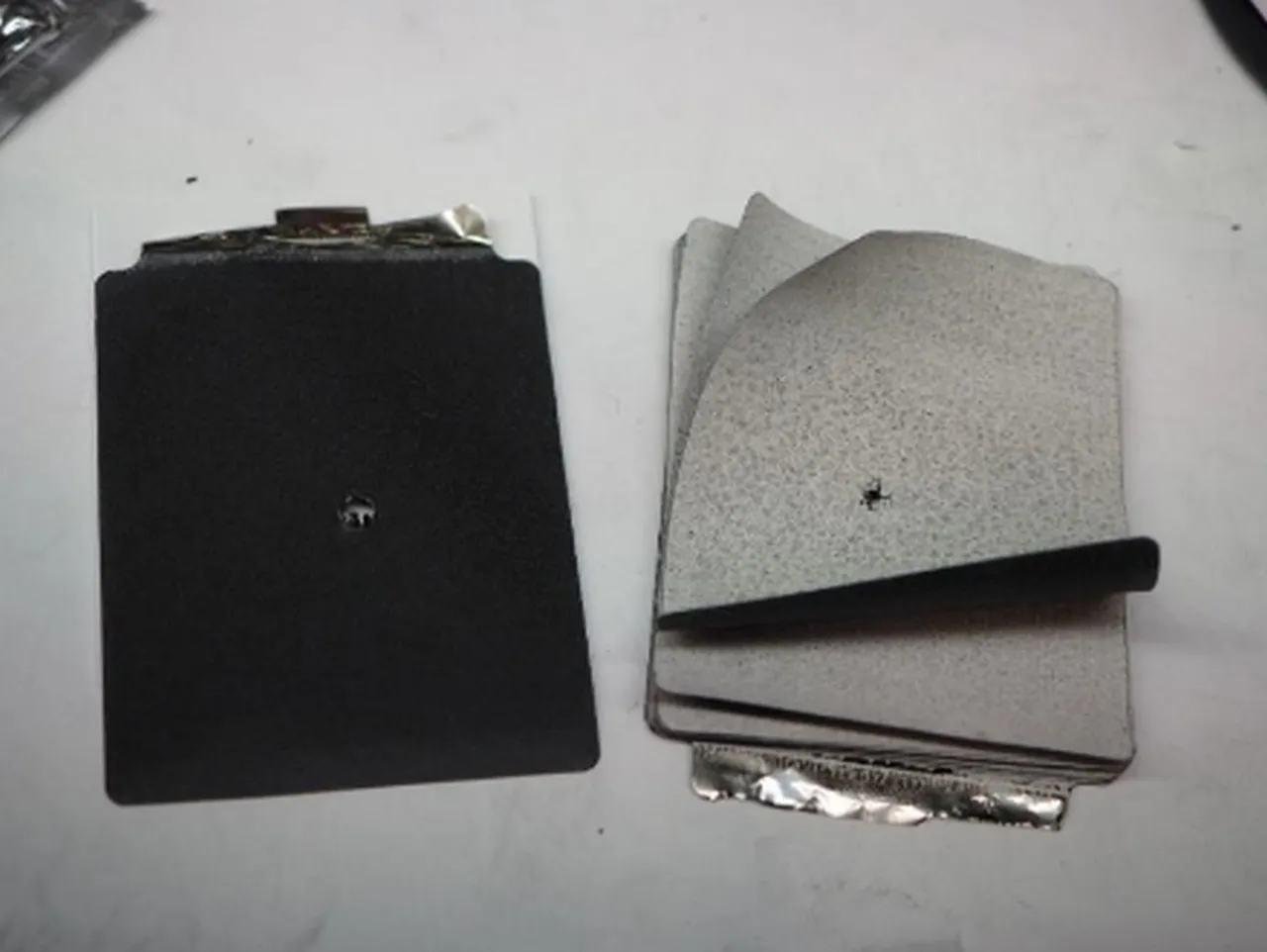
Donut Lab submitted its cells to the independent testing organization Intertek so it could publish a report on their design. According to this report, we are looking at the first bipolar Li-ion cells that, according to Donut Lab, are ready for mass production. Their energy density is about 1/3 higher than that of high-performance Li-ion cells with high-nickel cathodes and liquid electrolytes (Li-NCx), at 0.4093 kWh/kg and 0.8047 kWh/l respectively.
Donut Lab: Here are more surprises! The rest of the world: Ugh…
Table of Contents
Donut Lab: Here are more surprises! The rest of the world: Ugh…
Bipolar cells: What they are and why they’re better
Donut Lab vs Toyota
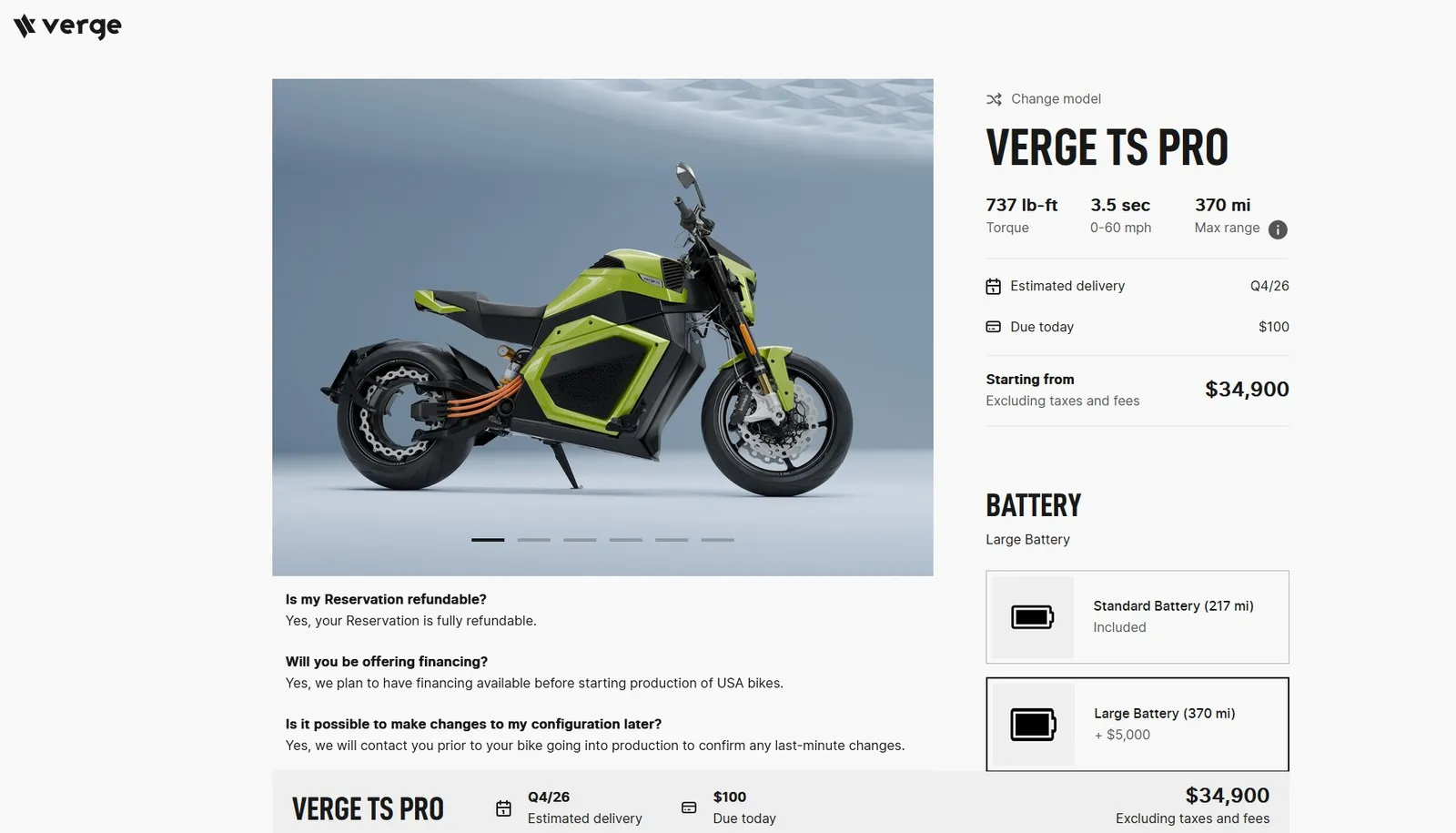
Half a year ago, the first Verge TS Pro motorcycles equipped with batteries built using Donut Lab’s solid electrolyte cells were supposed to start reaching buyers. When the Finnish startup failed to meet its delivery deadlines, Verge quietly began pushing back the expected delivery date by a quarter or more from the current time. As of the publication of this article, delivery is “estimated” for the fourth quarter of 2026, and the maximum range applies to urban driving. It’s no wonder that the media has also lost patience. Donut Lab isn’t Elon Musk—few people have the energy to be forgiving.
Bipolar cells: what they are and why they’re better
Despite this, the startup continued to publish tests of its cells. The last two are particularly interesting: a study by Intertek’s laboratory shows that the Finns have developed bipolar cells. Bipolar cells have a sandwich-like structure, with successive electrodes arranged in layers back to back, and the metal layers that collect electrons (collectors) are located only in the outer parts of the cells. This reduces the mass of the cells and increases their energy density, but that’s not all:
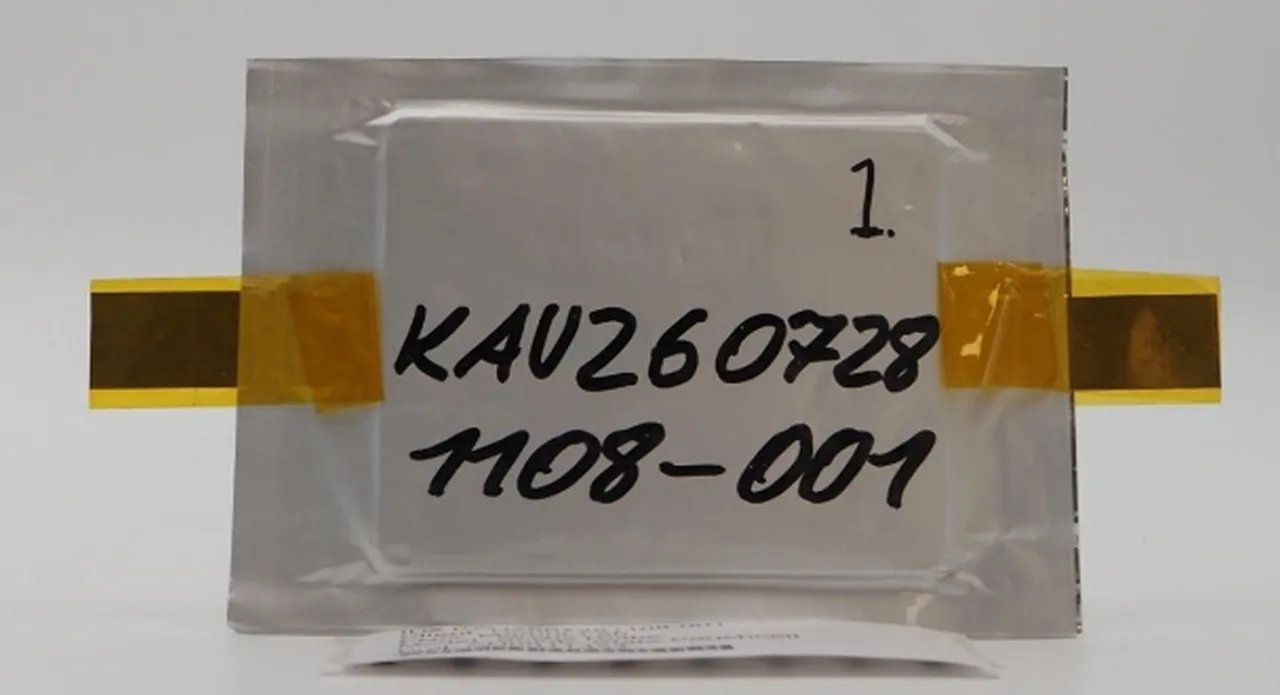
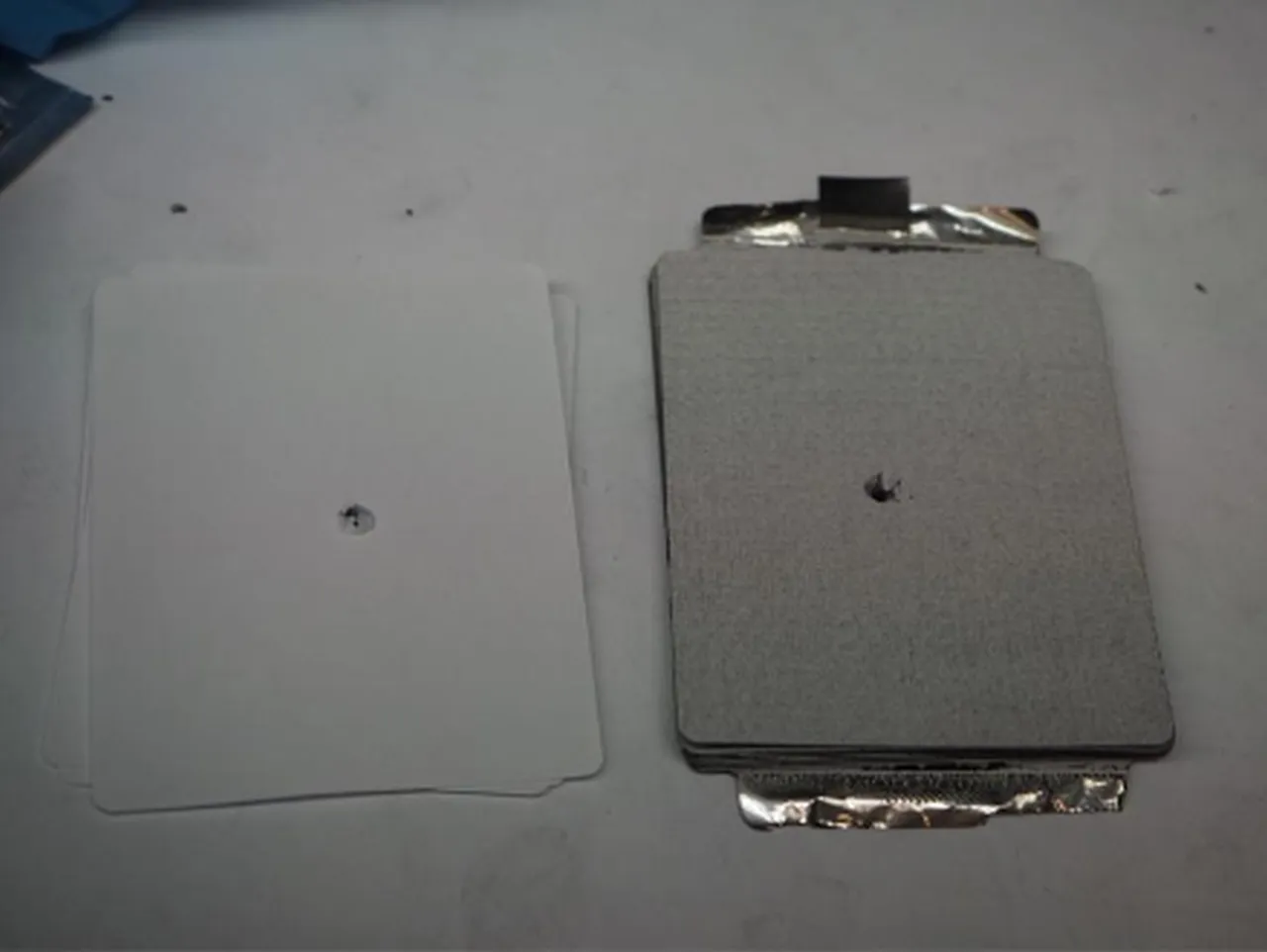
Donut Lab cells after a penetration test, disassembled into their various layers. Their different layers are visible (c) Intertek, commissioned by: Donut Lab, source
This design allows a single cell (=one casing or one pouch) to produce, for example, 7.4 volts instead of 3.7 volts. Fewer cells are needed to achieve the same voltage output, meaning we can eliminate at least one cell casing out of every two in terms of battery weight. The capacity remains the same because instead of two cells with tightly wound coils, we have one cell with multi-layered electrodes. Eliminating one out of every two casing units (-50 percent) yields a significant reduction, especially in the case of cylindrical or prismatic cells that use metal cylinders or thick plastic to prevent cell swelling.
The layers in the disassembled Donut Lab cells show their different colors (i.e., varying compositions). This is a rather unusual sight in the world of Li-ion cells, as traditional cells are monopolar—long sheets or rolls of compressed materials (c) Intertek, commissioned by Donut Lab.
Electric vehicle manufacturers have given up on competing to optimize Li-ion cells, with some believing that marketing based on a solid electrolyte would be most effective. The only manufacturer promising optimizations using bipolar cells was Toyota. The Japanese company promised bipolar cells with liquid electrolytes and LFP chemistry by 2026 or 2027 (illustration below), claiming they could offer over 600 kilometers of range. This was quite bold, as at the time this table was published (2023), bipolar cells were still in the early prototype stage.
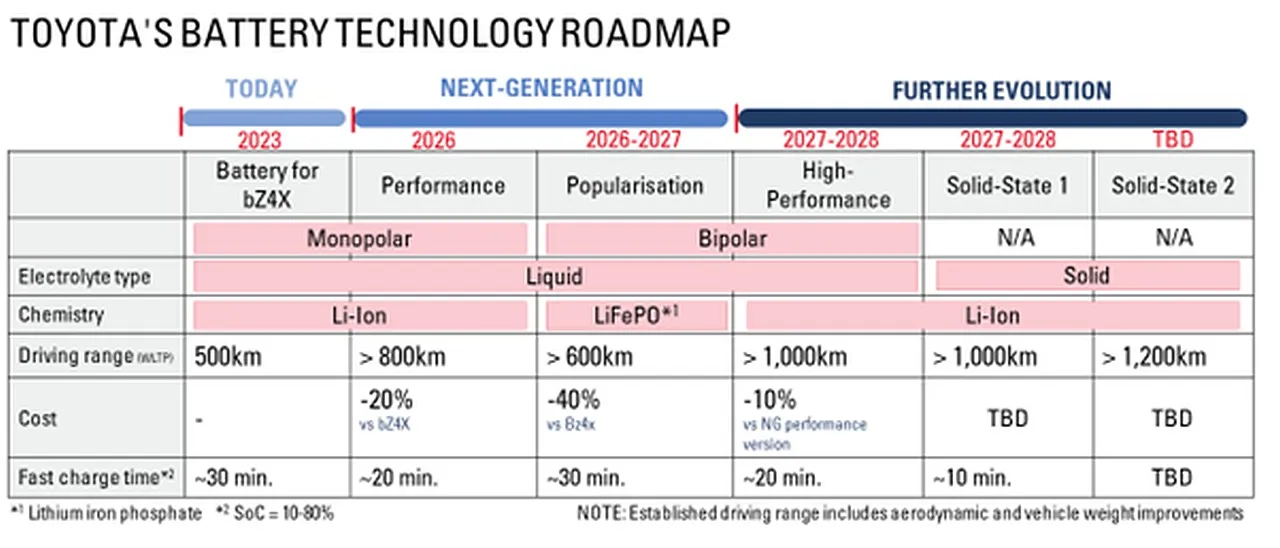
The worst part: the Finnish startup Donut Lab suddenly announced that it has functional prototypes of bipolar cells and is ready for mass production at a rate of 1 GWh of cells per year.
Editor’s note from Elektrowozu: It’s quite impressive that we live in an era where startups dare to challenge large corporations with unlimited budgets—and they succeed! We view Donut Lab with the same extreme skepticism as we do QuantumScape, but we wish the company success in its collaboration with Toyota
Article rating
Readers’ ratings
[Total: 1 vote Average: 5]
Don’t miss new content—CLICK and FOLLOW Elektrowoz.pl on Google News. You might also be interested in the following ads: