
The Dongfeng VIGO isn’t perfect, but it gets the important things right.
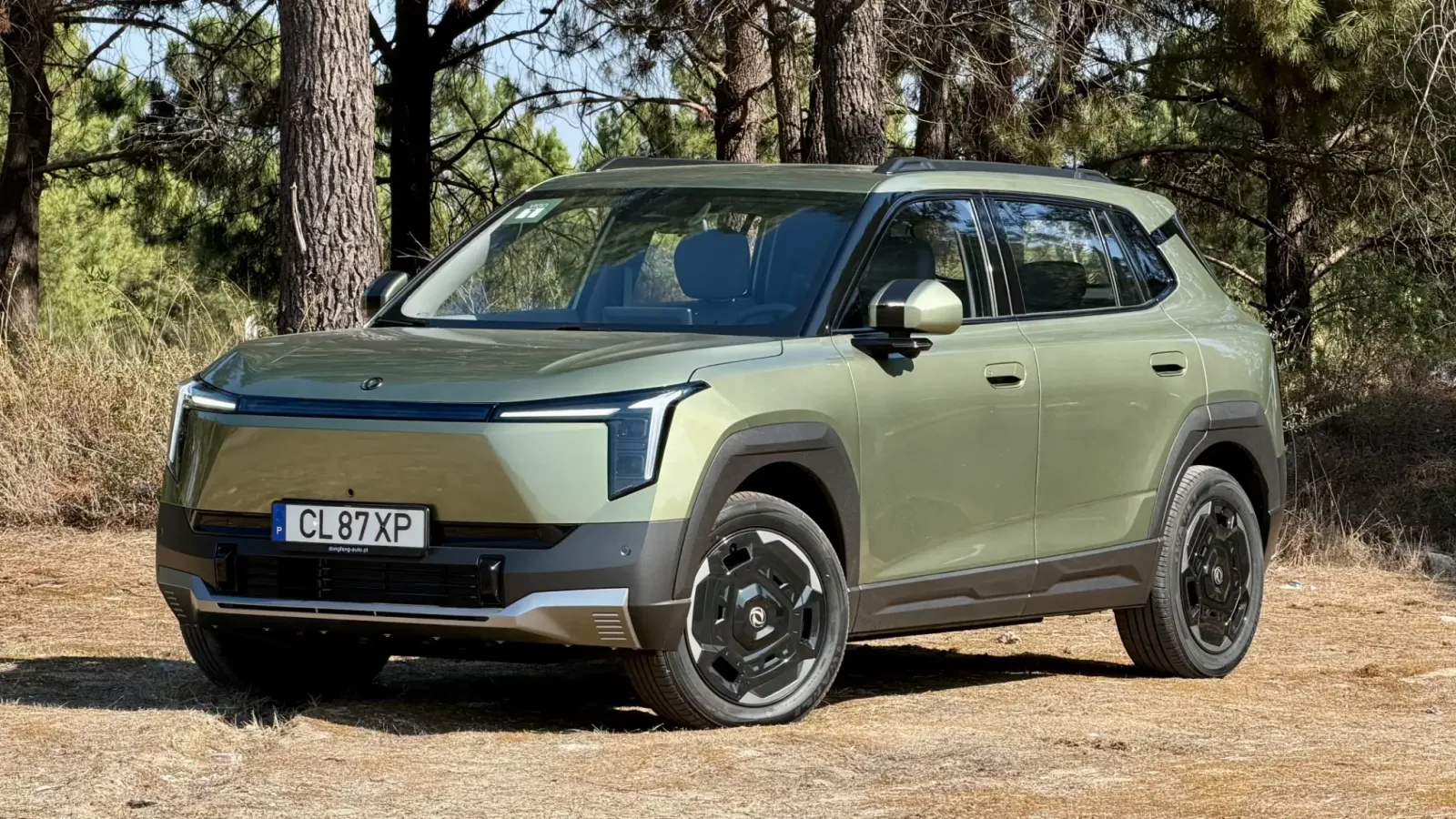
The price is competitive, the interior space is impressive, and so are the fuel consumptions. But the Dongfeng VIGO has a problem that isn’t where you’d expect it.
Dongfeng VIGO
6.5/10
Spacious, comfortable, and well-equipped, the Dongfeng VIGO costs just over 33 thousand euros. But there are trade-offs, especially in terms of technology and driving experience.
Pros
Comfort
Overall efficiency
Space in the rear seats and trunk
Perceived quality of materials
Cons
Lack of physical buttons
Vague steering feel
Confusing infotainment system
Intrusive driving assistance systems
Dongfeng entered Portugal just over two years ago with the Box, an electric vehicle in the B-segment that ultimately failed to achieve the success the brand had hoped for.
It had its advantages, starting with interior space and the list of features, but in some aspects it still seemed far from what the European market typically seeks. This was especially evident in terms of handling, suspension, and braking.
But it’s necessary to learn from early steps, and that’s exactly what Dongfeng seems to be doing. The brand has now introduced two new models for the domestic market, aiming to target two of the most competitive segments in Europe. I’ve already had the chance to drive one of them.
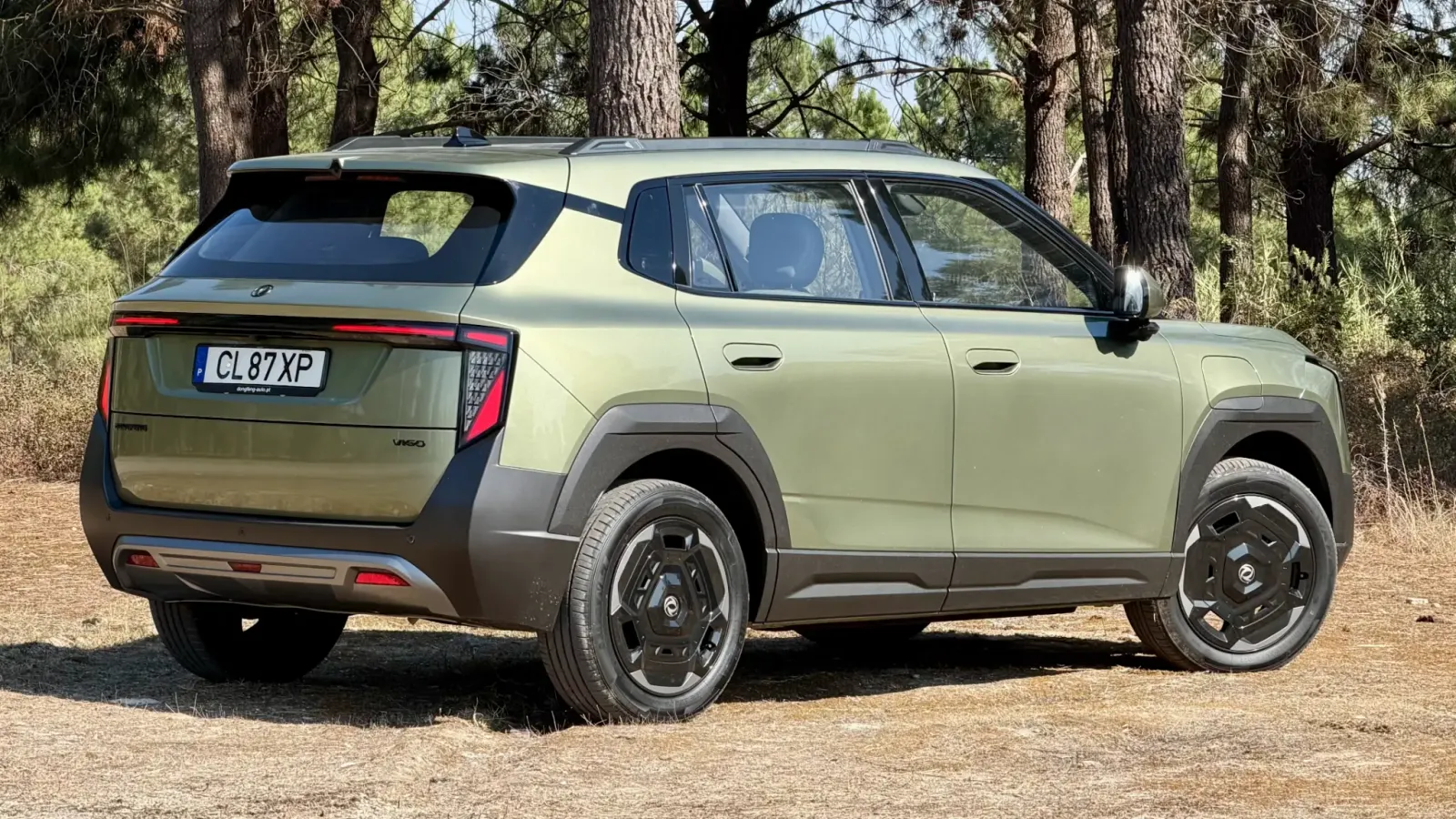
It’s called VIGO, it’s 100% electric, and it’s here to challenge the B-SUV segment. A segment where having a competitive price alone isn’t enough to stand out anymore. But does the VIGO have what it takes to do more than that?
On the right track. But…
If appearance isn’t a decisive factor for you when choosing a car, you can skip this part. But if you’re looking for a model with some distinct personality, it might be worth continuing to read.
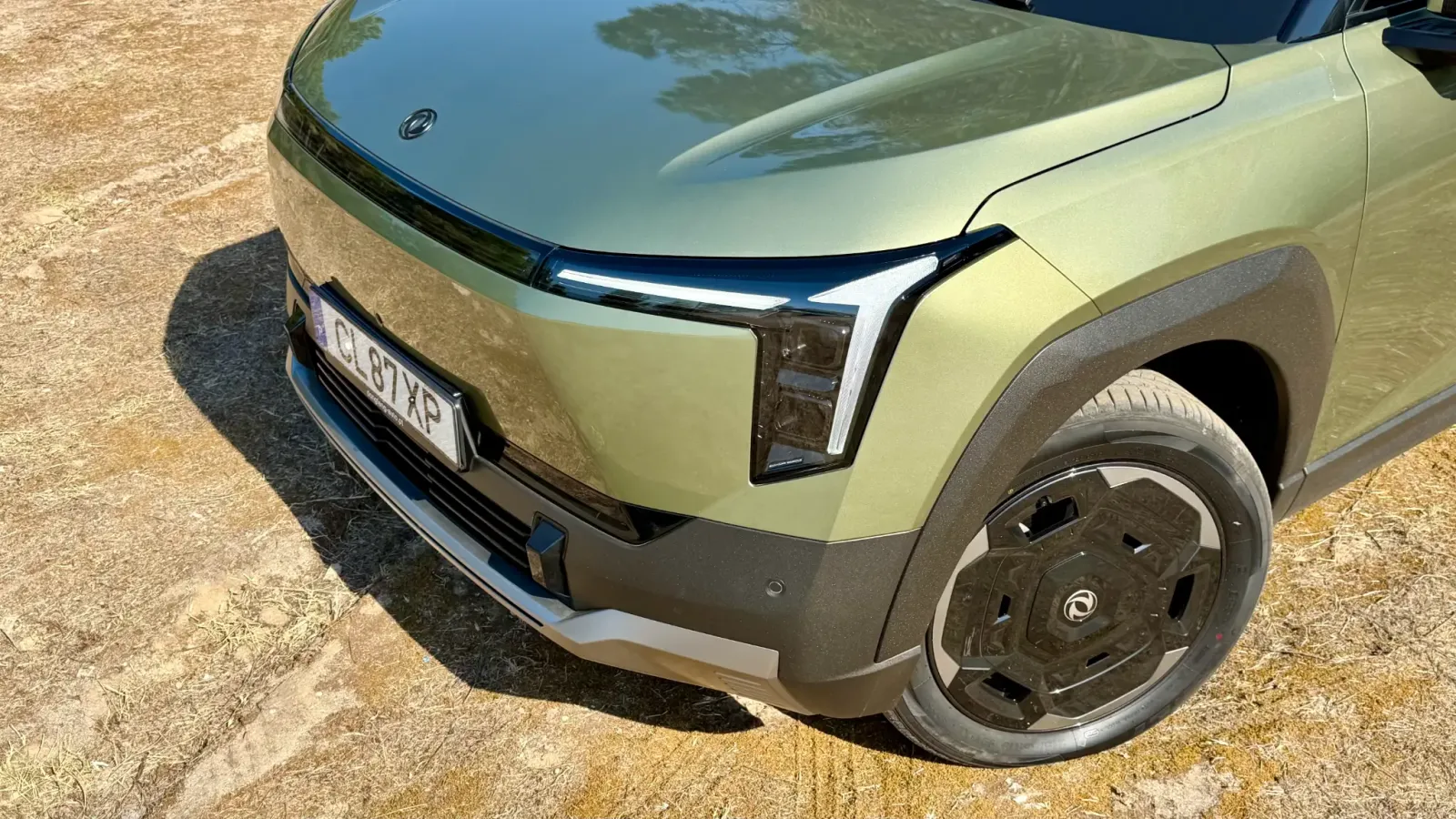
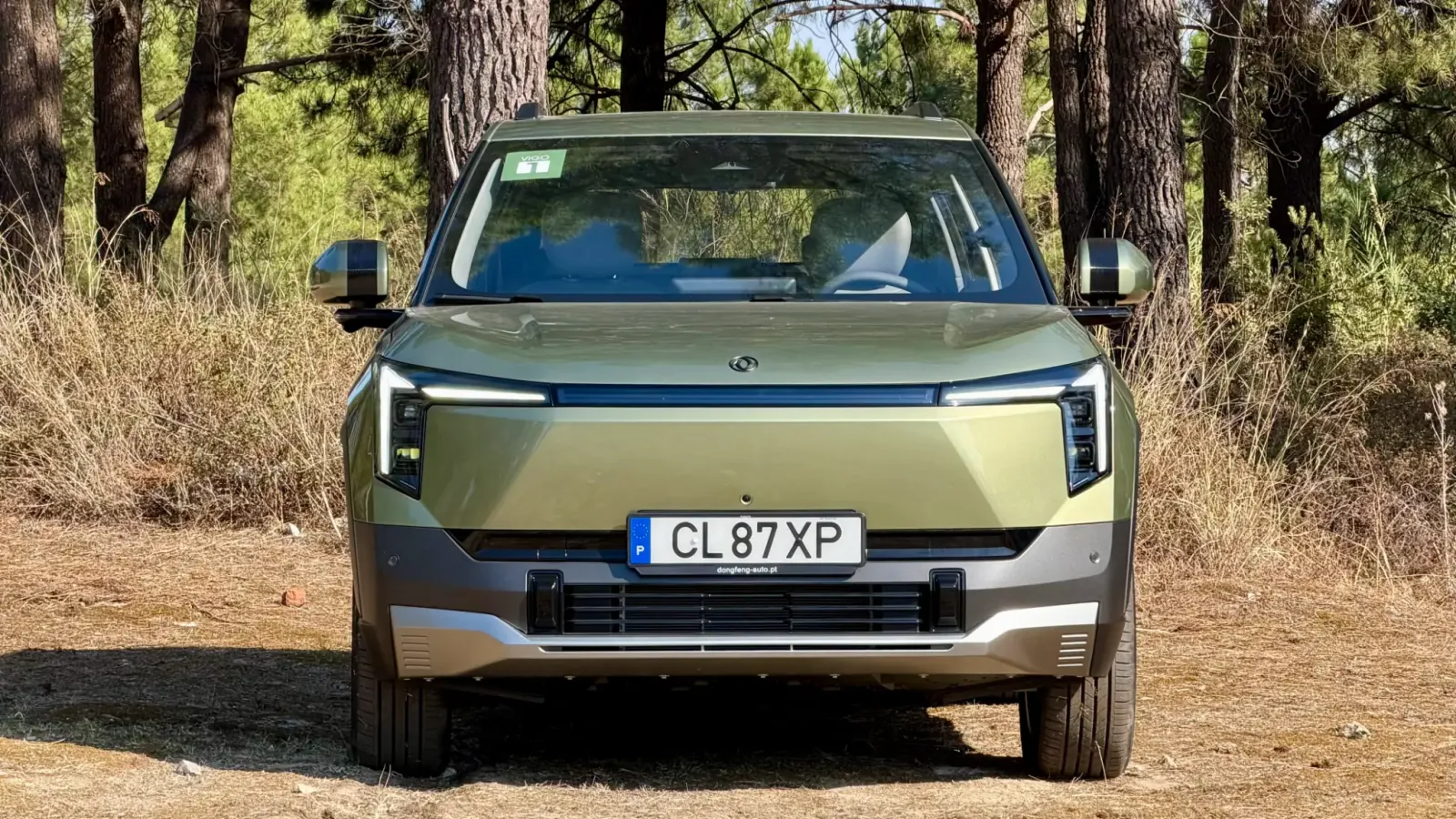
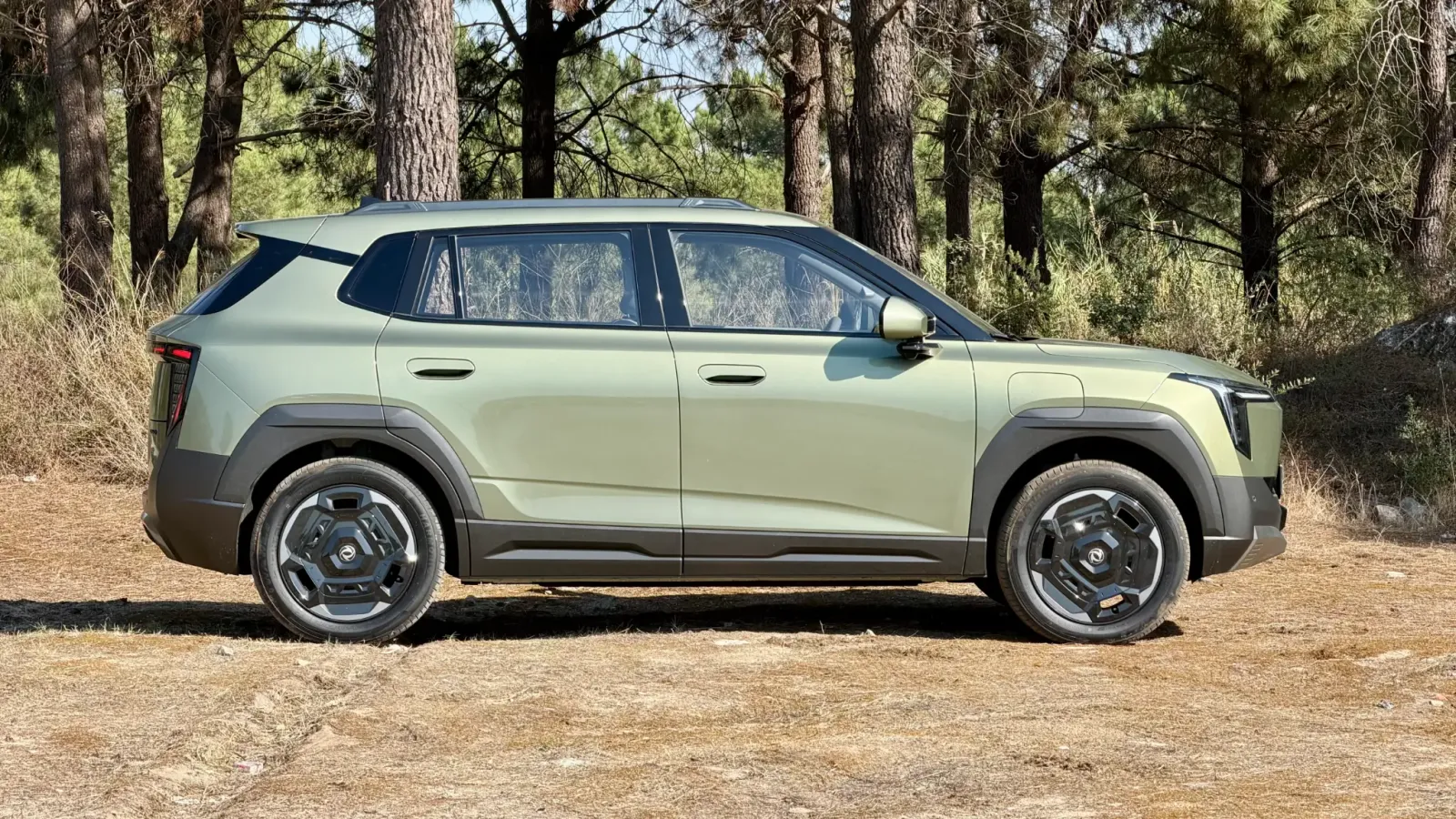
In my opinion, the VIGO struggles to convince in this regard. It’s true that its exterior design is less generic than, for example, the Dongfeng Box’s, but it lacks a clear visual identity that immediately identifies it as a model from this brand.
DO NOT MISS:
Lacking a radio and with buttons in the wrong order, the Dongfeng Box is not going to have an easy time.
Actually, when we look at the three models Dongfeng sells in Portugal now—Box, VIGO, and MAGE—we can hardly find any common aesthetic elements among them. Each model seems to follow its own path, with design solutions that are quite distinct from one another. They lack a stronger sense of unity as a series.
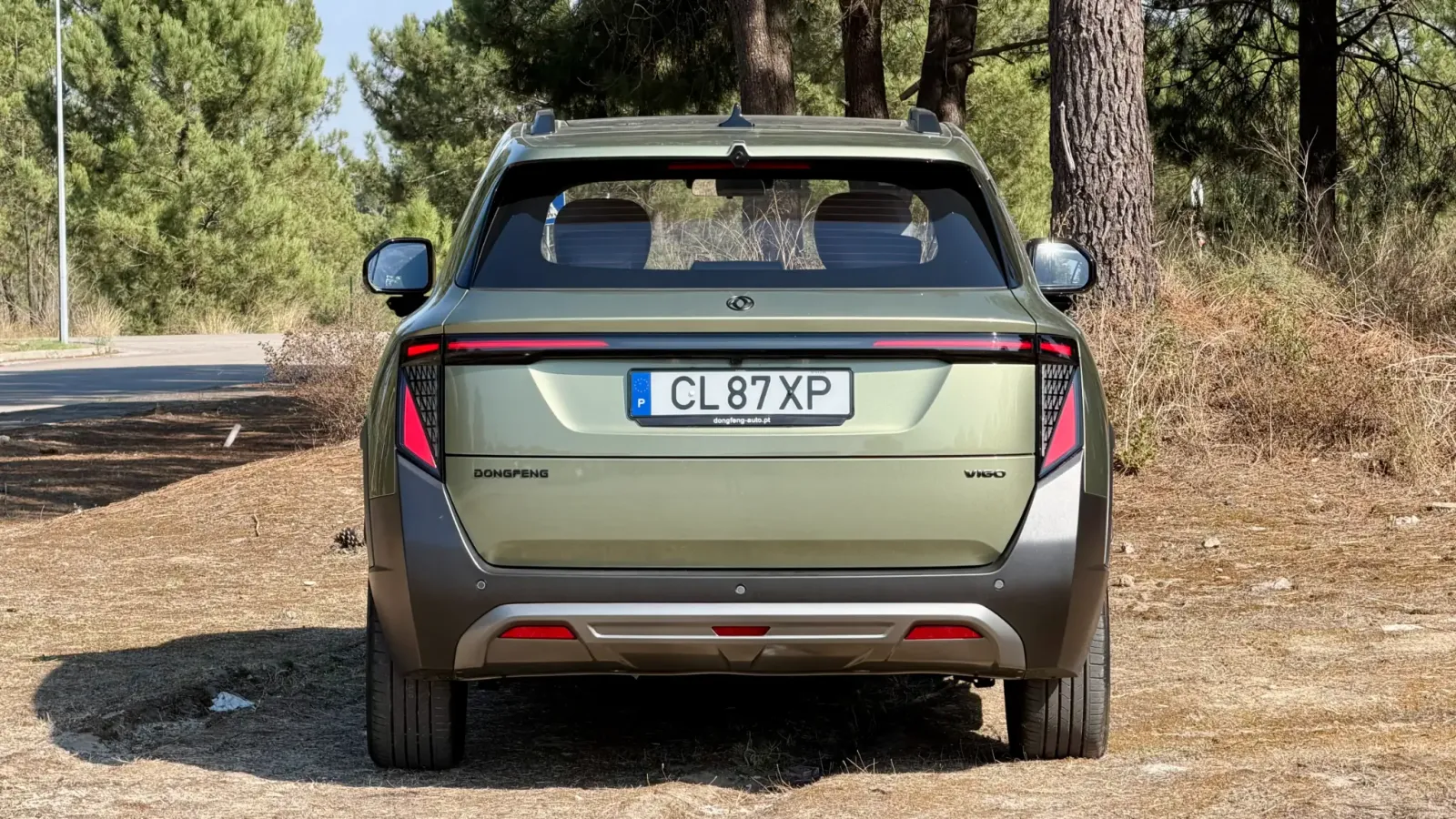
But returning to the VIGO’s style, I feel it isn’t as generic as other models that have recently arrived in Portugal. And that’s a positive sign. However, I must say that there are some front-end elements that remind me of the KIA Stonic. The rear, on the other hand, has more personality.
4 images
Despite all this, we are looking at a model that follows current trends. It is robust with the typical SUV ground clearance, and its profile features pronounced panels, angular shapes, and prominent wheel arches that house 18″ wheels — the only option available.
Space is a key advantage
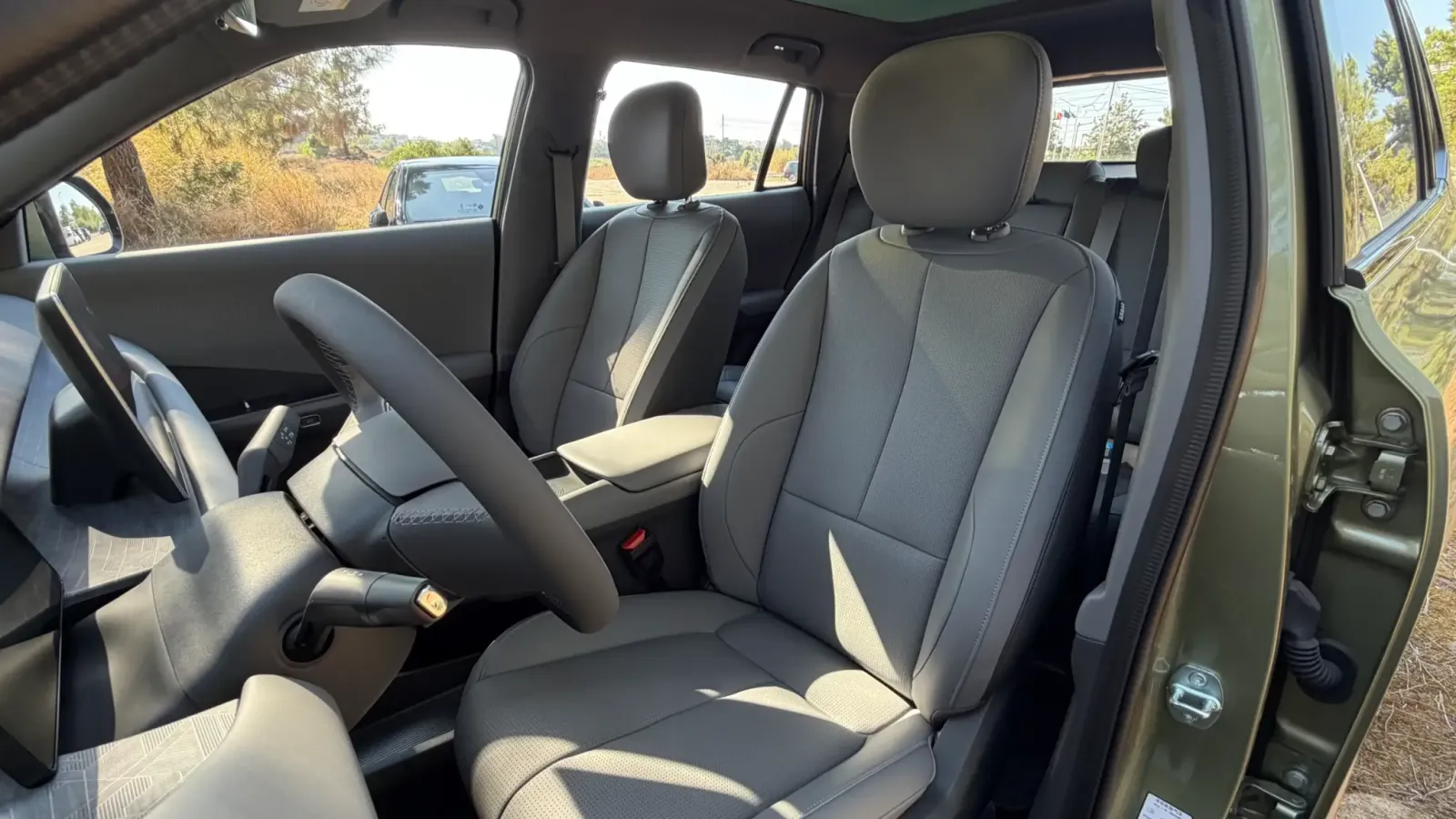
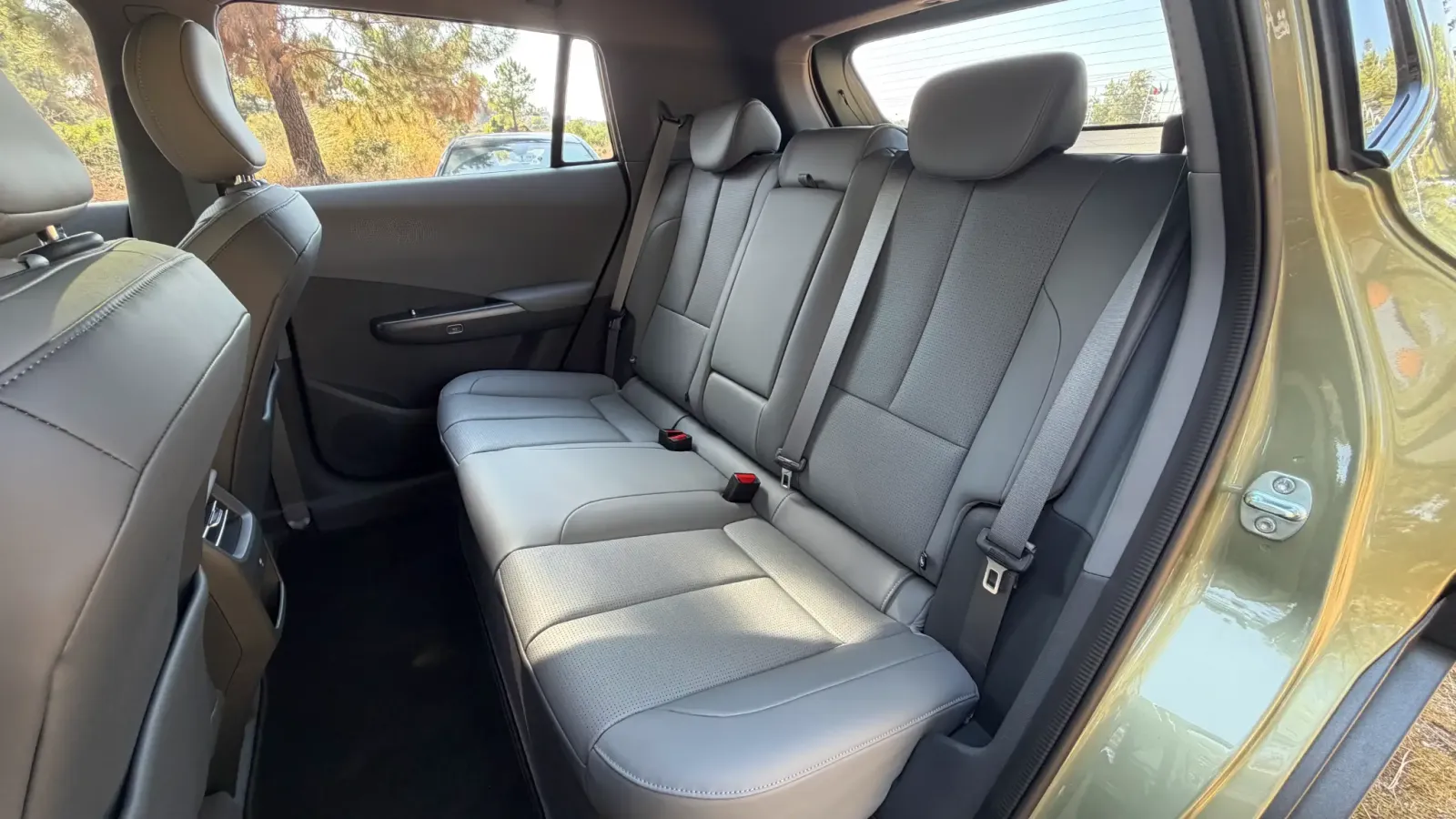
But it is in the interior where the 4306 mm in length, and especially the 2715 mm wheelbase, become a huge advantage.
3 images
Sitting behind the driver’s seat, adjusted to my driving position — I’m about 1.78 m tall — there is plenty of space. The VIGO is undoubtedly one of the most spacious models in its class, offering enough room to comfortably carry two adults over 1.80 m tall in the rear seats.
The good news doesn’t stop there. The trunk space is equally generous, offering up to 500 liters. For comparison, this is 25 liters more than the Skoda Epiq, 159 liters more than the Peugeot E-2008, and 125 liters more than the Renault 4 E-Tech.
The trunk also stands out with a solution that is very uncommon in this segment: a two-part door, similar to those found on the Smart ForTwo or, at the other end of the spectrum, on premium models like the BMW X5 and Range Rover.
2 images
At first glance, it might not seem like a feature you’d use often, but trust me: it’s useful. Especially when carrying heavy items. You can place them on the lower section — which can support up to 150 kg — and simply pull them inside. Your back will thank you.
Technology is the Achilles’ heel
The driver has two screens at their disposal: a smaller one at 8.8″ dedicated to instrumentation, and another in the center at 12.8″ for the infotainment system. While the first meets its requirements, the second has shown limitations.
The graphics are simple and do not really help convey a higher sense of quality. The menus perform their function, but they are not always intuitive, making some operations less immediate.
3 images
And the reliance on the screen doesn’t stop there. There are no physical buttons at all, except for those found on the doors to operate the windows.
The climate control commands are integrated into the central screen, and even the driving assistance systems are controlled from there. This latter feature is already standard in the vast majority of modern models. But unlike what happens with some brands, Dongfeng does not offer quick shortcuts to turn them off.
2 images
There’s another issue I still don’t understand: why does the VIGO — and many other Chinese models — insist on having a screen where most of its area is essentially unused? Just look at the image above to see what I mean.
Things improve on the road
Once seated behind the wheel, with the seat belt fastened and the most intrusive system alerts silenced, the VIGO has no button to initiate driving. It’s as simple as pressing the brake pedal, choosing whether to move forward or backward, and setting off.
It is in this aspect that the Chinese electric B-SUV will be able to win over customers. The first few kilometers are immediately smooth and very comfortable, to the point where I bent down to check whether we were dealing with a model featuring independent rear suspension or a torsion beam. It’s the latter option, by the way.
The handling is light, the electric motor’s 163 hp and 230 Nm of torque were always highly responsive, and the fuel consumption is surprising. In fact, I couldn’t believe it when I saw that the VIGO claims an average consumption of around 17 kWh/100 km. Because during the days I spent with it, covering many kilometers on the highway, I didn’t have to strain much to finish the test with an average of 12.3 kWh/100 km.
READ ALSO:
Kia EV2 delivers a lot for little but has one issue
This means that the 340 km range claimed for the 51.9 kWh LFP battery is not only achievable but also easily surpassed. I became convinced that the 521 km urban range claimed for this SUV is perfectly attainable.
Regarding charging, the VIGO supports charging speeds of up to 167 kW in direct current (DC), which is an impressive figure for this segment. However, it drops to just 6.6 kW in alternating current (AC).
These values are only possible thanks to regenerative braking. The VIGO doesn’t have a one-pedal drive mode, but the strongest setting proved sufficient to reduce our reliance on the brake pedal while driving. I’m only sorry that this system, once again, could only be adjusted through the screen.
Prefers a slower pace
With three driving modes to choose from — ECO, Normal, and Sport — it’s relatively easy to notice the differences between them. In the ECO mode, power delivery is more linear, which I found more than enough for daily commutes, while in the last two modes, the VIGO becomes more aggressive in its performance.
The tires, which are more focused on efficiency, don’t help matters, and it’s clear that dynamic handling isn’t one of its strengths. The steering, aside from being overly assisted, provides little to no insight into what’s happening with the front axle, and in certain situations I even felt an unnaturally sluggish response during the first degrees of steering rotation.
The braking system could also be more consistent. The braking force doesn’t always seem to correspond to the pressure applied to the pedal, making it harder to adjust braking precisely.
These aren’t particularly serious issues in normal use, but they show that the VIGO clearly feels more comfortable when driven at a relaxed pace.
Price is the draw
We come to the price, the section where, generally speaking, Chinese offerings strive to stand out. Starting at 33,197 euros (26,990 euros + VAT), the Dongfeng VIGO isn’t the cheapest option in its segment, but it would also be unfair to compare it directly with the entry-level models of competitors.
This is especially true since it’s only available with the One Edition trim level, which includes practically everything—from the two screens inside; an electrically adjustable driver’s seat with memory functions, heating, and ventilation; a V2L (Vehicle-to-Load) function, panoramic roof; LED headlights; and numerous driving assistance systems.
That’s why, when compared to the more equipped versions of other models in this segment, the VIGO takes on a different dimension. Just look at the Peugeot E-2008 GT, available starting at 43,180 euros, or the Škoda Epiq and Hyundai Kauai, which have similar battery capacities and equipment levels, with prices starting at 37,158 euros and 39,207 euros respectively.
DO NOT MISS:
We tested the Citroën C3 electric model that costs less than 20,000 euros
After considering what Dongfeng charges for it, the VIGO is worth considering—especially for those looking for an electric SUV of this size. It offers above-average space, is relatively comfortable, has an efficient electrical system, and is very well equipped.
It falls short in terms of driving performance, especially for those who desire a model with more engaging handling. But it excels in many of the important aspects.
https://open.spotify.com/episode/6fpOpp4DKSZm6N0VS3G4eS?si=4aeaa7b8850d4f3d
Dongfeng VIGO
6.5/10
The Dongfeng VIGO is far from perfect. The technology still needs improvement, particularly in terms of usability, and its driving performance shows some limitations when speed increases. But that doesn’t diminish its main strengths: it’s spacious, comfortable, efficient, and well-equipped. And all for around 33 thousand euros...
Pros
Comfort
Overall efficiency
Space in the rear seats and trunk
Perceived quality of materials
Disadvantages
Lack of physical buttons
Vague steering feel
Confusing infotainment system
Intrusive driving assistance systems
Technical specifications
Base version: 33,197€
Euro NCAP rating:
0/5
33,197€
Price for test vehicle
Architecture: Synchronous electric motor
Placement: Front, transverse
Charging: 51.9 kWh battery
Power:
120 kW (163 hp)
Torque:
230 Nm
Drive type: Front-wheel drive
Transmission: Single-speed
Length: 4306 mm
Width: 1868 mm
Height: 1654 mm
Wheelbase: 2715 mm
Trunk space: 500-1040 liters
Wheels/Tires: FR: 215/55 R18; TR: 215/55 R18
Weight: 1526 kg
Average fuel consumption: 17.4 kWh/100 km
Top speed: 150 km/h
Max acceleration: >7.8s
Features:
Electric adjustments for driver and passenger seats
Automatic air conditioning
Driver’s seat with heating, ventilation, and memory function
360º parking assistance camera + transparent chassis
Inductive charger for smartphone
Adaptive cruise control
12.8” touchscreen central display
LED headlights with automatic high beam control
8.88″ digital instrument panel
Integrated door handles
Exterior mirrors with electric adjustment, heating, and automatic folding
Front and rear parking sensors
Panoramic roof
Vehicle-to-Load (V2L)